

Discover the 10 best samurai films ever made, spanning classic to modern masterpieces. This list explores iconic movies like "Seven Samurai" and "13 Assassins," explaining their plots, themes, and lasting impact on cinema. Learn why these films are considered essential viewing for any fan of samurai or Japanese cinema.
1. Introduction
The samurai, iconic warriors of feudal Japan, have captivated audiences worldwide for generations. Their unwavering code of honor, masterful swordsmanship, and complex stories of loyalty and betrayal have provided rich fodder for filmmakers, resulting in a diverse and compelling collection of samurai cinema. This article presents a curated list of the 10 best samurai films of all time, spanning from Akira Kurosawa's black-and-white masterpieces to more contemporary interpretations of the genre. Whether you're a seasoned cinephile or just beginning your exploration of Japanese cinema, this list offers a gateway into the thrilling and often poignant world of the samurai.
From epic battles to intimate character studies, these films showcase the multifaceted nature of the samurai experience. They explore themes of duty, honor, sacrifice, and the clash between tradition and modernity. This list encompasses both classic and modern takes on the genre, offering a diverse range of cinematic experiences. Prepare to be transported to a world of breathtaking sword fights, stunning cinematography, and powerful storytelling, as we delve into the top 10 samurai films that have left an indelible mark on cinematic history.
| Film Aspect | Description |
|---|---|
| Genre Focus | This list focuses specifically on films centered around the samurai, their lives, and their code (Bushido). While related genres like ninja films may share some similarities, this selection prioritizes the distinct samurai narrative. |
| Historical Context | While some films on this list are based on historical events or figures, others offer fictionalized accounts. The list appreciates both approaches, recognizing the artistic license taken in portraying the samurai era. |
| International Recognition | The films chosen have achieved significant international acclaim and recognition, influencing filmmakers and captivating audiences across the globe. |
| Cinematic Impact | Each film selected has made a significant impact on the cinematic landscape, either through its innovative storytelling, groundbreaking visuals, or lasting cultural influence. |
This compilation aims to provide a balanced selection that appeals to a broad audience, offering a starting point for those new to the genre while also acknowledging the enduring classics that continue to inspire awe and admiration. So, sharpen your katana and prepare to embark on a cinematic journey through feudal Japan, as we explore the lives and legends of the samurai in these 10 essential films.
2. Criteria for Selection
Choosing the "best" samurai films is inherently subjective, but this list aims for a balance of objective quality and lasting cultural impact. The following criteria guided the selection process:
| Criterion | Description |
|---|---|
| Historical Significance | Films that represent important milestones in the samurai genre, pioneering new cinematic techniques or thematic explorations. This includes films that have heavily influenced later works or redefined the genre's conventions. |
| Critical Acclaim | Films recognized by critics and film scholars for their artistic merit, including direction, cinematography, acting, and screenplay. Awards and nominations from prestigious organizations were considered. |
| Cultural Impact | Films that have resonated with audiences worldwide and achieved lasting popularity. This encompasses films that have entered the cultural lexicon and continue to be discussed and reinterpreted. |
| Thematic Depth | Films that explore complex themes related to the samurai code (bushido), such as loyalty, honor, duty, sacrifice, and the changing social landscape of feudal Japan. The exploration of moral ambiguities and human nature within the context of samurai life is also considered. |
| Cinematic Excellence | Films showcasing exceptional filmmaking craft, including innovative cinematography, compelling editing, memorable scores, and impactful fight choreography. Visual storytelling and the creation of a unique atmosphere are key elements. |
While this list focuses primarily on films set within the feudal period of Japan, The Last Samurai is included for its exploration of samurai culture and its impact on Western audiences. This selection aims to offer a diverse representation of the genre, showcasing both classic masterpieces and more recent works that continue to push the boundaries of samurai cinema.
Every katana on screen was inspired by a real Japanese sword — hand-forged in the traditional way and authenticated. Browse genuine blades, shipped direct from Kyoto.
Browse the Antique Katana Collection →3. Seven Samurai (1954)
3.1 Plot Summary
Akira Kurosawa's Seven Samurai is set in 16th-century Japan. A poor farming village, constantly raided by bandits, decides to hire samurai for protection. Unable to offer much reward, they seek out skilled but impoverished ronin (masterless samurai). The film follows their recruitment of seven very different samurai: Kambei Shimada, the wise leader; Katsushirō Okamoto, the eager apprentice; Gorōbei Katayama, the skilled archer; Shichirōji, Kambei's loyal friend; Heihachi Hayashida, the cheerful, morale-boosting cook; Kyūzō, the stoic and masterful swordsman; and Kikuchiyo, a boisterous farmer pretending to be a samurai. Once assembled, the samurai train the villagers for defense and strategically fortify the village. The ensuing battle against the bandits is a thrilling spectacle of tactical brilliance and human courage, testing the samurai's skills and resolve.
3.2 Key Themes and Impact
Seven Samurai explores themes of honor, duty, courage, and the relationship between the warrior class and the peasantry. The film's influence is undeniable, inspiring numerous remakes and homages, including The Magnificent Seven (a Western adaptation) and even influencing storylines in science fiction like Battle Beyond the Stars and anime series like Samurai 7.
| Theme | Description |
|---|---|
| Leadership and Strategy | Kambei's leadership is crucial, showcasing the importance of planning, foresight, and understanding the enemy. |
| Class and Social Dynamics | The film portrays the complex relationship between the samurai and the farmers, highlighting the disparities and eventual mutual respect that develops. |
| Selflessness and Sacrifice | The samurai's commitment to protecting the village, even at great personal cost, underscores the film's exploration of duty and sacrifice. |
| The Human Cost of War | While a thrilling action film, Seven Samurai doesn't shy away from depicting the brutal realities of conflict and its impact on both individuals and communities. |
Seven Samurai is considered a landmark achievement in filmmaking, praised for its innovative cinematography, epic scope, and profound exploration of human nature. Its influence on the samurai genre and action cinema as a whole is immeasurable, cementing its status as a true cinematic masterpiece.
4. Yojimbo (1961)
4.1 Plot Summary
A masterless samurai, simply known as Sanjuro Kuwabatake (played by Toshiro Mifune), arrives in a small town torn apart by two warring criminal gangs vying for control. Observing the town's plight, Sanjuro cunningly plays the two sides against each other, exploiting their greed and paranoia. He hires himself out to both factions, escalating the conflict while subtly undermining both sides. Through a series of brilliantly orchestrated maneuvers, involving strategic misinformation and staged confrontations, Sanjuro gradually weakens both gangs, ultimately leading to their mutual destruction. His stoic demeanor and exceptional swordsmanship prove instrumental in his success, but his actions also reveal a cynical understanding of human nature and the futility of violence.
4.2 Key Themes and Impact
Yojimbo is a landmark film in the samurai genre, renowned for its innovative approach to storytelling and its exploration of complex themes. Akira Kurosawa's direction masterfully blends action, suspense, and dark humor, creating a morally ambiguous world where survival hinges on wit and deception. The film's impact is far-reaching, influencing countless subsequent films, including Sergio Leone's A Fistful of Dollars, which is a direct adaptation.
| Theme | Description |
|---|---|
| Moral Ambiguity | Sanjuro is not a traditional hero. He operates in a gray area, manipulating and exploiting others for his own gain, albeit ultimately bringing a form of justice to the town. This moral ambiguity adds depth and complexity to the narrative, challenging conventional notions of good and evil. |
| Social Commentary | Yojimbo offers a sharp critique of greed, corruption, and the destructive nature of power. The film reflects the social and political anxieties of post-war Japan, where traditional values were being challenged by rapid modernization and economic instability. |
| Influence of Western Genres | While firmly rooted in Japanese culture and samurai traditions, Yojimbo incorporates elements of Western genres, particularly the Western. The lone wanderer motif, the desolate setting, and the climactic showdown resemble classic Western tropes, demonstrating Kurosawa's appreciation for and engagement with Western cinema. |
| Toshiro Mifune's Performance | Mifune's portrayal of Sanjuro is iconic. His physical presence, combined with his nuanced expressions and subtle gestures, brings the character to life with remarkable depth and charisma. He embodies the stoic yet cunning nature of the ronin, cementing his status as a legendary figure in Japanese cinema. |
| Innovative Cinematography | Kurosawa's innovative use of cinematography, including dynamic camera angles, close-ups, and long shots, enhances the film's visual storytelling. The stark black and white photography adds to the film's gritty realism and visual impact. |
5. Sanjuro (1962)
5.1 Plot Summary
Sanjuro, the wandering, nameless ronin from Yojimbo, stumbles upon a group of nine young samurai who suspect their superintendent of corruption. Initially dismissive, Sanjuro's cynicism is challenged by their earnest idealism. He realizes the true depth of the corruption and the danger the young samurai face. Through a blend of cunning, deception, and brutal swordsmanship, Sanjuro manipulates both sides of the conflict, ultimately ensuring the naive samurai survive and justice is served, albeit in his own unorthodox way. The film culminates in a famously swift and decisive duel against the corrupt superintendent's skilled bodyguard, Hanbei Muroto.
5.2 Key Themes and Impact
Sanjuro builds upon the themes established in Yojimbo, exploring the complexities of morality within a chaotic world. While still a cynical pragmatist, Sanjuro displays a begrudging respect for the young samurai's idealism, offering a nuanced perspective on honor and duty. The film also showcases Akira Kurosawa's masterful direction, particularly in its use of dynamic camerawork and impactful editing. The final duel, with its sudden burst of violence, is considered one of the greatest in cinematic history.
| Aspect | Details |
|---|---|
| Director | Akira Kurosawa |
| Writer | Ryuzo Kikushima, Hideo Oguni, Akira Kurosawa |
| Starring | Toshiro Mifune, Tatsuya Nakadai, Keiju Kobayashi |
| Key Themes | Moral ambiguity, Idealism vs. Pragmatism, Duty and Honor, Social Injustice |
| Impact | Influenced countless samurai and Western films, particularly with its iconic portrayal of a wandering ronin and its stylized violence. The film's quick draw duel remains a benchmark for action filmmaking. |
6. Harakiri (1962)
6.1 Plot Summary
Harakiri (切腹, Seppuku), directed by Masaki Kobayashi, tells the tragic tale of Tsugumo Hanshirō, a ronin (masterless samurai) who arrives at the Iyi clan's estate requesting to commit ritual suicide on their grounds. Hoping to receive alms, he is instead met with cynicism and dissuaded by the clan officials who recount the gruesome story of another ronin, Chijiiwa Motome, who recently arrived with a similar request. They forced Motome to follow through with his request, revealing his bamboo practice swords, highlighting his desperation and the clan's cruelty. As Hanshirō’s story unfolds, it becomes intertwined with Motome's, revealing a shocking connection and Hanshirō's true intentions. He exposes the Iyi clan's hypocrisy and challenges their supposed adherence to the samurai code, ultimately forcing them into a bloody confrontation to restore his family's honor.
6.2 Key Themes and Impact
Harakiri is a powerful indictment of societal hypocrisy and the corruption of the Bushido code. The film masterfully uses flashbacks to reveal the tragic circumstances leading to Hanshirō's predicament, showcasing the devastating consequences of poverty and the desperation it breeds. It critiques the rigid class structure of feudal Japan and the callous disregard for human life shown by those in power. The film's impact lies in its unflinching portrayal of violence and its exploration of themes like honor, duty, and the true meaning of sacrifice. Unlike romanticized samurai stories, Harakiri presents a gritty and realistic depiction of the era, highlighting the difficult choices faced by those marginalized by society.
| Key Elements | Description |
|---|---|
| Director | Masaki Kobayashi |
| Themes | Honor, duty, hypocrisy, social injustice, the corruption of Bushido, poverty, desperation |
| Impact | Considered a masterpiece of Japanese cinema and a powerful anti-establishment film; renowned for its stark visuals, compelling narrative, and critique of societal norms. Influenced later samurai films and continues to resonate with audiences today. |
| Visual Style | Stark black and white cinematography, emphasizing the bleakness and tension of the story. Use of wide shots and long takes to build atmosphere and highlight the characters' isolation. |
| Historical Context | Set during the early Edo period, a time of relative peace but also marked by strict social hierarchies and the struggles of ronin. The film reflects the anxieties and societal changes of post-war Japan. |
7. Sword of Doom (1966)
7.1 Plot Summary
Sword of Doom (大菩薩峠) follows the ruthless and nihilistic swordsman Ryunosuke Tsukue (Tatsuya Nakadai) through a series of violent encounters. Unburdened by morality or remorse, Ryunosuke kills indiscriminately, driven by a dark, inner turmoil and a seemingly insatiable bloodlust. The film opens with him callously slaying an opponent in a duel at a temple, setting the stage for the escalating brutality that follows. He later encounters Hyoma Shimada, a skilled swordsman with a strong sense of justice, whose life becomes intertwined with Ryunosuke's through a shared connection to the dojo. Ryunosuke also crosses paths with a wandering gambler and his sister, further complicating his already chaotic journey. As he continues down his destructive path, Ryunosuke's sanity deteriorates, haunted by visions of those he has killed. The film culminates in a visually stunning and psychologically charged final duel amidst a blizzard, a fitting end for a man consumed by his inner demons.
7.2 Key Themes and Impact
Sword of Doom explores themes of nihilism, fate, and the corrosive nature of violence. Ryunosuke's descent into madness serves as a stark commentary on the human condition and the potential for darkness within individuals. The film's bleak atmosphere and unflinching portrayal of violence distinguish it from other samurai films of the era. It's considered a classic for its psychological depth, complex characters, and the mesmerizing performance of Tatsuya Nakadai as the tormented protagonist.
| Aspect | Description |
|---|---|
| Director | Kihachi Okamoto |
| Writer | Shinobu Hashimoto (screenplay), based on the novel by Kaizan Nakazato |
| Notable Cast | Tatsuya Nakadai, Toshiro Mifune, Yoko Naito |
| Key Themes | Nihilism, Fate, Violence, Morality, Madness |
| Impact | Considered a landmark samurai film for its psychological depth and unflinching portrayal of violence; Influenced later samurai films and continues to be praised for its complex protagonist and visual style. |
8. Throne of Blood (1957)
8.1 Plot Summary
Akira Kurosawa's Throne of Blood is a masterful adaptation of Shakespeare's Macbeth, transposed to feudal Japan. The film stars Toshiro Mifune as Washizu Taketoki (Macbeth), a valiant samurai who encounters a spirit in the Spider's Web forest. The spirit prophesies that Washizu will become lord of the North Garrison, and eventually, supreme commander. Driven by ambition and spurred on by his cunning wife, Asaji (Lady Macbeth), Washizu murders his lord, Tsuzuki, and takes his place. Haunted by guilt and paranoia, he commits further atrocities to secure his position, ultimately leading to his downfall in a visually stunning arrow attack.
8.2 Key Themes and Impact
Throne of Blood delves into themes of ambition, fate, and the corrupting influence of power. Kurosawa brilliantly uses Japanese Noh theatre aesthetics and imagery to create a haunting and atmospheric film. The fog-shrouded forest, the eerie spirit, and the stylized movements contribute to a sense of impending doom.
The film deviates from Macbeth in several key ways, reflecting Japanese cultural nuances. Asaji, for example, is a more active participant in the plot than Lady Macbeth, showcasing the complexities of female power within a patriarchal society. The film's climax, where Washizu is shot with arrows by his own men, is a powerful visualization of betrayal and the consequences of unchecked ambition.
| Aspect | Description |
|---|---|
| Director | Akira Kurosawa |
| Source Material | Shakespeare's Macbeth |
| Key Characters | Washizu Taketoki (Toshiro Mifune), Asaji (Isuzu Yamada) |
| Major Themes | Ambition, Fate, Supernatural, Guilt, Paranoia |
| Visual Style | Influenced by Noh theatre, use of fog and mist, stylized movements |
| Cultural Significance | A powerful exploration of human nature through a Japanese lens, considered one of Kurosawa's and Mifune's greatest works. |
Throne of Blood is not merely a retelling of Macbeth but a powerful standalone film that explores universal themes with a distinctly Japanese sensibility. It solidifies Kurosawa's status as a master filmmaker and showcases Mifune's intense and unforgettable performance. The film's impact on cinema is undeniable, influencing countless filmmakers and continuing to captivate audiences with its haunting beauty and profound exploration of the human condition.
9. Ran (1985)
9.1 Plot Summary
Akira Kurosawa's Ran, a visually stunning epic, reimagines Shakespeare's King Lear within feudal Japan. Hidetora Ichimonji, a powerful warlord, decides to divide his kingdom among his three sons: Taro, Jiro, and Saburo. While the elder two sons flatter their father with hollow praise and accept his decision, the youngest, Saburo, speaks honestly about the folly of dividing a kingdom and the dangers of such blind trust. Enraged by Saburo's perceived disrespect, Hidetora banishes him. This act sets in motion a chain of betrayal, violence, and ultimately, madness, as the two elder sons, driven by greed and ambition, turn against their father and each other, plunging the kingdom into a brutal civil war.
9.2 Key Themes and Impact
Ran explores universal themes of power, loyalty, family, and the devastating consequences of greed and ambition. Kurosawa masterfully depicts the horrors of war and its impact on individuals and society. The film's breathtaking visuals, including elaborate costumes, expansive landscapes, and meticulously choreographed battle sequences, enhance the emotional impact of the story. Ran is considered one of Kurosawa's greatest achievements and a landmark in Japanese cinema.
| Theme | Description |
|---|---|
| Power and Ambition | The film vividly portrays the corrupting influence of power and the destructive nature of unchecked ambition. Hidetora's sons, blinded by their desire for control, betray him and engage in a ruthless power struggle. |
| Loyalty and Betrayal | Ran examines the complex dynamics of loyalty and betrayal within families and political alliances. The film highlights the fragility of trust and the devastating consequences of broken oaths. |
| Family Conflict | The film presents a tragic portrayal of family conflict, exploring the breakdown of relationships and the emotional toll of betrayal. Hidetora's decision to divide his kingdom sets in motion a chain of events that tears his family apart. |
| The Folly of War | Ran offers a powerful anti-war message, depicting the senseless violence and destruction that result from conflict. The film's battle scenes are both visually stunning and deeply disturbing, showcasing the brutality and inhumanity of war. |
| Fate and Destiny | Like Shakespeare's King Lear, Ran explores themes of fate and destiny, suggesting that even the most powerful individuals are subject to the whims of fortune. Hidetora's descent into madness reflects a loss of control over his own destiny. |
Ran's impact extends beyond its cinematic achievements. The film's exploration of timeless themes continues to resonate with audiences, prompting reflection on the human condition and the cyclical nature of history. Its influence can be seen in various forms of media, solidifying its place as a cinematic masterpiece.
10. 13 Assassins (2010)
10.1 Plot Summary
In 1844, during the twilight years of the Tokugawa Shogunate, Lord Matsudaira Naritsugu commits heinous acts of violence and sexual assault, seemingly without consequence due to his familial connection to the Shogun. Sir Doi Toshitsura, a high-ranking government official, recognizes the grave danger Naritsugu poses to the stability of Japan and secretly enlists the legendary samurai Shinzaemon Shimada to assassinate him. Shinzaemon gathers a team of twelve skilled warriors, including his nephew Shinrokuro, to carry out this perilous mission. Knowing Naritsugu will be heavily guarded on his journey to Edo, they meticulously plan an ambush in a small village called Ochiai. The film culminates in a brutal, extended battle sequence where the thirteen assassins face off against Naritsugu's army of hundreds, showcasing their unwavering commitment to their cause.
10.2 Key Themes and Impact
13 Assassins offers a modern take on the classic samurai genre, emphasizing themes of loyalty, sacrifice, and justice. The film explores the moral complexities of blind loyalty versus righteous rebellion, as the assassins must defy the established order to protect the innocent. Unlike many traditional samurai films that focus on individual duels and swordsmanship, 13 Assassins highlights the strategic brilliance and coordinated teamwork required to overcome overwhelming odds.
| Theme | Description |
|---|---|
| Duty vs. Morality | The film delves into the conflict between adhering to duty and following one's moral compass. The assassins choose to defy the Shogunate, prioritizing the well-being of the people over blind obedience. |
| The Price of Justice | 13 Assassins portrays the heavy cost of fighting for justice. The samurai are fully aware that their mission is likely a suicide mission, yet they remain resolute in their commitment. |
| Modernization and the End of an Era | Set during the Bakumatsu period, the film hints at the impending decline of the samurai class and the transition towards a modernized Japan. This backdrop adds another layer of complexity to the assassins' struggle. |
Director Takashi Miike's masterful blend of action, suspense, and historical drama has earned 13 Assassins widespread critical acclaim and solidified its place as a modern samurai classic. The film's stunning visuals, intricate fight choreography, and compelling characters resonate with audiences, showcasing the enduring appeal of the samurai genre.
11. The Last Samurai (2003)
11.1 Plot Summary
Captain Nathan Algren, a Civil War veteran haunted by his past, is hired to train the newly formed Imperial Japanese Army in modern warfare. He finds himself increasingly disillusioned with the methods employed and the erosion of traditional samurai culture. During a battle against samurai rebels led by Katsumoto Moritsugu, Algren is captured. Living among the samurai, he develops a deep respect for their code of honor, bushido, and their way of life. He begins to question his own values and the motivations of those he serves. As he immerses himself in their culture, learning their customs, swordsmanship, and philosophy, Algren undergoes a profound transformation. He eventually chooses to fight alongside the samurai in a final, tragic stand against the modernizing forces of the Imperial Army.
11.2 Key Themes and Impact
The Last Samurai, while a fictionalized account, explores the clash between tradition and modernity in late 19th-century Japan. The film romanticizes the samurai culture, portraying them as noble warriors adhering to a strict ethical code. It examines themes of honor, courage, loyalty, and the search for meaning in a rapidly changing world.
The film's impact lies in its visual spectacle and its exploration of cultural differences. It brought renewed interest in samurai history and philosophy to a Western audience. While criticized for its historical inaccuracies and portrayal of a "white savior" narrative, The Last Samurai sparked discussions about cultural imperialism and the loss of traditional values.
| Key Elements | Description |
|---|---|
| Director | Edward Zwick |
| Starring | Tom Cruise, Ken Watanabe, Hiroyuki Sanada, Koyuki |
| Central Theme | Clash of cultures, honor, and the samurai code (bushido) |
| Historical Context | Loosely based on the Satsuma Rebellion and the westernization of Japan during the Meiji Restoration. |
| Cultural Impact | Popularized samurai culture and sparked discussions about cultural preservation. |
Although a Hollywood production, The Last Samurai offers a visually stunning and emotionally resonant depiction of samurai life and the difficult transition of Japan into the modern era. It highlights the internal conflict faced by both the samurai and those embracing Western ways, emphasizing the human cost of progress.
12. Honorable Mentions
While the above list represents some of the greatest samurai films ever made, the genre is rich with compelling stories and stunning visuals. Here are a few more exceptional films that deserve recognition:
| Film Title | Director | Year | Key Features |
|---|---|---|---|
12.1 Zatoichi Challenged (1967) |
Kenji Misumi | 1967 | This entry in the long-running Zatoichi series sees the blind swordsman facing off against a ruthless gang and protecting a village from their tyranny. It showcases the character's remarkable swordsmanship and deep sense of justice. |
12.2 Samurai Rebellion (1967) |
Masaki Kobayashi | 1967 | Samurai Rebellion tells the powerful story of Isaburo Sasahara, a skilled swordsman who defies his lord to protect his family. The film explores themes of loyalty, honor, and the clash between personal morality and feudal obligations. |
12.3 When the Last Sword Is Drawn (2003) |
Yojiro Takita | 2003 | This emotionally resonant film follows two samurai brothers on opposing sides of the Boshin War. When the Last Sword is Drawn delves into the complexities of brotherly love and the tragic consequences of war, offering a poignant and humanizing perspective on the samurai. |
13. Summary
This list has explored 10 of the greatest samurai films ever made, spanning decades and showcasing diverse aspects of the genre. From epic battles to intimate character studies, these films offer a window into Bushido, the samurai code, and its complex relationship with Japanese history and culture. They explore themes of loyalty, honor, duty, sacrifice, and the often-tragic consequences of violence.
| Film | Director | Key Themes |
|---|---|---|
| Seven Samurai (1954) | Akira Kurosawa | Collaboration, social responsibility, the nature of heroism |
| Yojimbo (1961) | Akira Kurosawa | Individualism, cunning, exploitation of societal weaknesses |
| Sanjuro (1962) | Akira Kurosawa | Pragmatism vs. idealism, the burden of experience |
| Harakiri (1962) | Masaki Kobayashi | Social injustice, hypocrisy, the cost of honor |
| Sword of Doom (1966) | Kihachi Okamoto | Nihilism, the destructive nature of obsession |
| Throne of Blood (1957) | Akira Kurosawa | Ambition, paranoia, the corrupting influence of power (Shakespearean adaptation) |
| Ran (1985) | Akira Kurosawa | Family conflict, betrayal, the futility of war (Shakespearean adaptation) |
| 13 Assassins (2010) | Takashi Miike | Loyalty, sacrifice, the clash between old and new Japan |
| The Last Samurai (2003) | Edward Zwick | Cultural exchange, the erosion of traditional values, finding honor in unexpected places |
While this list focuses on ten essential films, the samurai genre is rich and diverse. Honorable mentions like Zatoichi Challenged, Samurai Rebellion, and When the Last Sword Is Drawn offer further explorations of samurai stories and themes. Whether you are a seasoned fan of Japanese cinema or new to the genre, exploring these films provides a captivating journey through history, philosophy, and breathtaking action.
From Kurosawa's masterful storytelling to the visceral action of later directors, these samurai films offer a powerful and enduring cinematic experience. They invite viewers to contemplate the complexities of human nature and the enduring struggle between duty and personal conviction. They are not just action films; they are profound meditations on life, death, and the human condition.
Beyond the classics: films the historians single out — and modern takes
The ten films above are the essential canon. But two more groups deserve a place on any serious list: the titles Japanese historians praise for how faithfully they recreate the past, and the modern and international films that carry the samurai spirit into new forms. If you want the genre at its most historically grounded, start here.
Films prized for historical authenticity
When Japanese historians judge jidaigeki (period dramas), they look past the swordplay to the accuracy of the armour, the class system, and the philosophy of the age. These are the films that reward that lens.
- Rashomon (1950, Akira Kurosawa) — Four irreconcilable accounts of a samurai's death in the Heian-era woods. Its lasting value is not one event's accuracy but its profound meditation on how unreliable any historical account can be — a film about the nature of truth itself.
- The Hidden Fortress (1958, Akira Kurosawa) — A Sengoku-period escort adventure told from the ground up, through two bumbling peasants. Historians prize its view of wartime survival across the social strata; Western audiences know it as a key influence on Star Wars.
- Kagemusha (1980, Akira Kurosawa) — A common thief impersonates the dead warlord Takeda Shingen to hold a clan together. Celebrated for its meticulous recreation of Sengoku armour, banners, and battle formations, culminating at the Battle of Nagashino.
- The 47 Ronin — Genroku Chūshingura (1941, Kenji Mizoguchi) — The definitive early rendering of the Akō incident, Japan's most famous true story of loyalty and sacrifice. A foundational text for understanding duty and honour in the warrior class.
- The Twilight Samurai — Tasogare Seibei (2002, Yōji Yamada) — An intimate, realistic portrait of a low-ranking samurai balancing duty, poverty, and family in the mid-19th century. Academy Award–nominated, and a favourite of historians for its unglamorous everyday truth.
- Three Outlaw Samurai (1964, Hideo Gosha) — A gritty, hugely influential chanbara in which three ronin side with oppressed peasants. It helped define the genre's realistic action and morally ambiguous heroes.
Modern and international takes on the samurai
The samurai spirit did not end with the classics. These films carry the code — and the blade — into new eras and new countries.
- Ghost Dog: The Way of the Samurai (1999, Jim Jarmusch) — A modern-day American hitman lives strictly by the Hagakure. A singular cross-cultural meditation on loyalty, solitude, and Bushidō in a contemporary world.
- Rurouni Kenshin (2012–2021, Keishi Ōtomo) — A live-action series based on the beloved manga: a former Bakumatsu-era assassin who has sworn never to kill again, wrapped in some of the most kinetic swordplay ever filmed.
- Blade of the Immortal (2017, Takashi Miike) — An immortal swordsman must slay a thousand evil men to regain his mortality. A fantastical, hyper-violent adaptation that shows just how far the samurai archetype can stretch.
The swords themselves: the blades that made these films iconic
Strip a samurai film down and the katana is always at its centre — not just a weapon, but an extension of the warrior's soul. Part of what makes the films above unforgettable is how each treats the blade. Here is the same canon seen through its steel.
The blades you'll see on screen
| Sword | What it is | On screen |
|---|---|---|
| Katana | The curved, single-edged sword worn edge-up; the samurai's primary weapon. | Everywhere — from Mifune's unadorned blade in Yojimbo to the duels of Sanjuro. |
| Wakizashi | The shorter companion blade, worn with the katana as the daishō pair. | Close-quarters fighting and the ritual of seppuku in Harakiri. |
| Tantō | A dagger; a secondary and ceremonial blade. | The intimate, tragic violence of the Edo-period dramas. |
| Tachi | An older, more curved sword worn edge-down by mounted samurai. | The cavalry and warlords of Ran and Kagemusha. |
| Nodachi / Ōdachi | An oversized greatsword for fighting multiple foes. | Kikuchiyo's unorthodox blade in Seven Samurai. |
Blades that become characters
- The cursed Muramasa (The Sword of Doom) — Historically, Muramasa blades were famed for their sharpness and feared as bringers of ill fortune. The film makes that legend literal: the sword is a mirror of Ryūnosuke's descent into bloodlust.
- Zatōichi's cane sword (Zatoichi Challenged) — The blind masseur's blade hides inside an innocent cane (shikomizue), drawn with a lightning reverse grip (gyakute-uchi). Disguise and quick-draw made into an art.
- The quick-draw — iaijutsu (Yojimbo, Sanjuro) — Kurosawa built whole scenes around iaijutsu, the art of drawing and cutting in a single motion. Sanjuro's famous final duel is its purest expression.
- An arsenal beyond the katana (13 Assassins) — Miike's assassins fight with naginata, kusarigama, bow, and explosives, a reminder that the samurai's craft ran far wider than the sword alone.
- Ogami Ittō's blade (Shogun Assassin / Lone Wolf and Cub, 1980) — The Shogun's disgraced executioner walks a road of vengeance, his son's pram concealing an arsenal. Its stylised swordplay went on to shape Kill Bill and beyond.
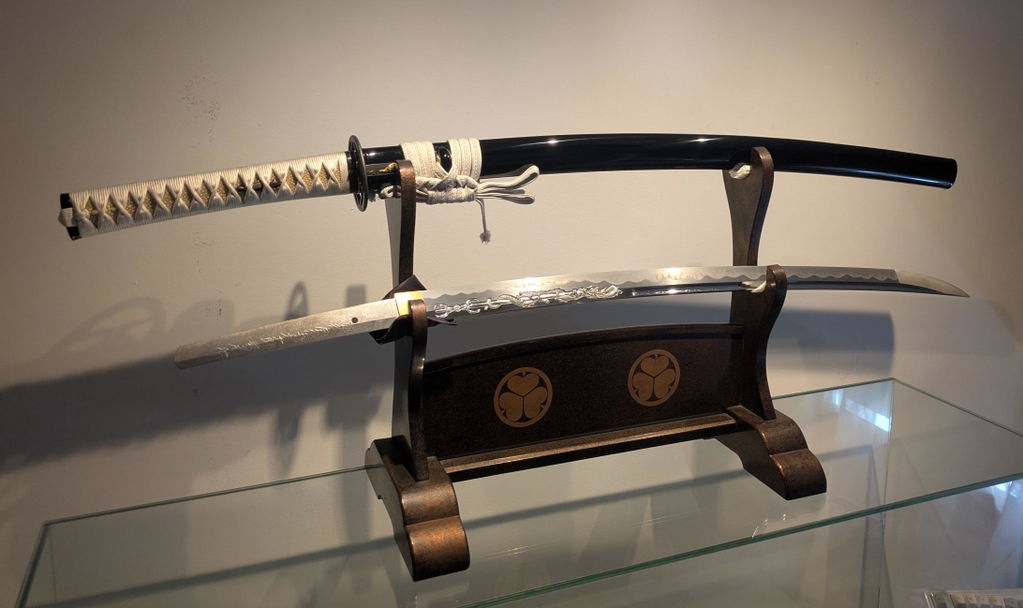
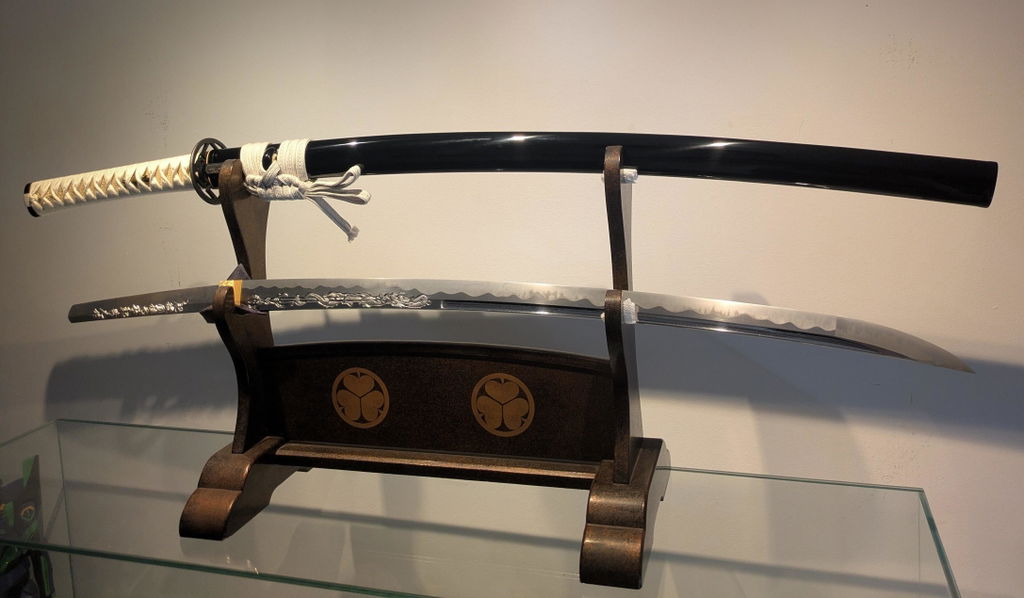
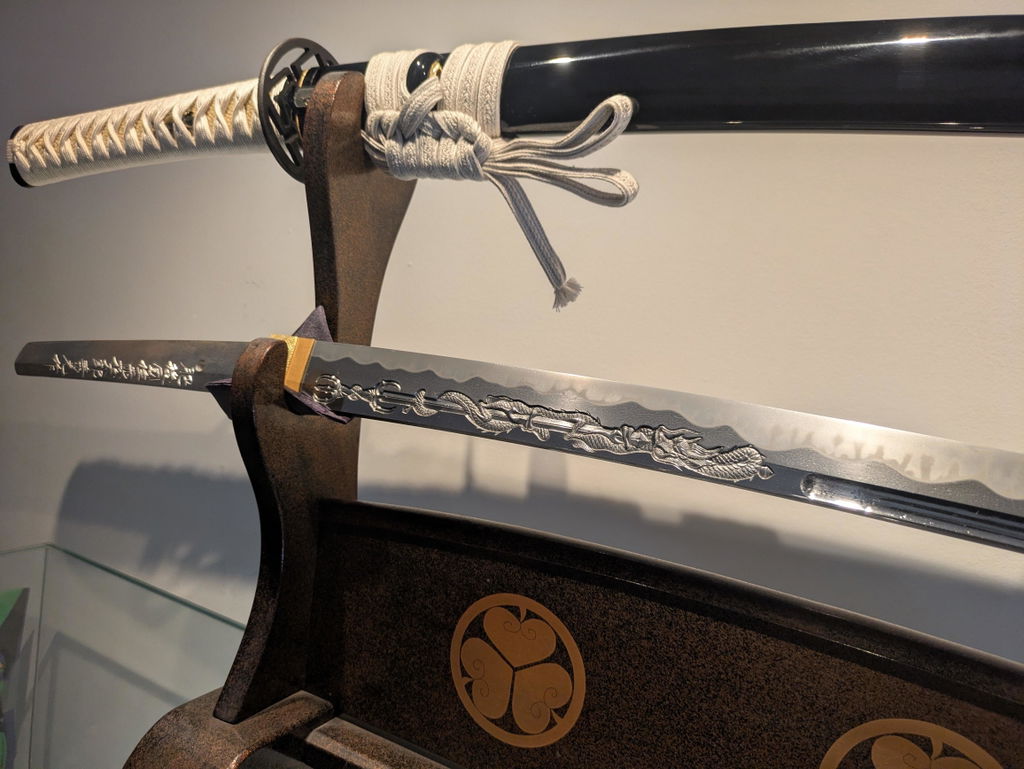
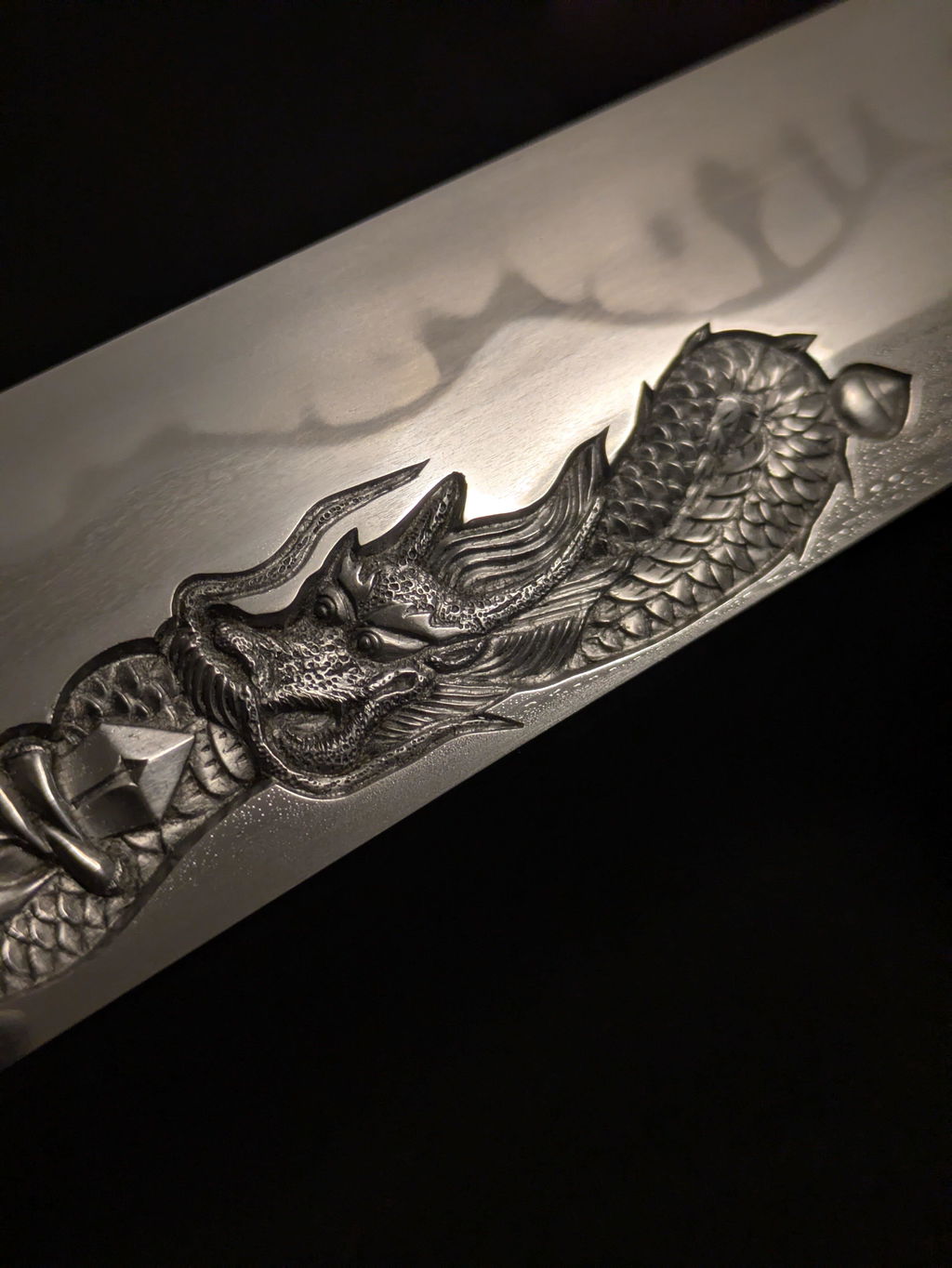
Authentic, hand-forged nihonto — authenticated and shipped worldwide direct from Kyoto, with the export papers arranged for you.
Browse the Antique Katana Collection →The blades that give these films their power were inspired by real Japanese swords. If the artistry on screen draws you in, you can see — and own — authentic examples in our antique katana collection, or learn to tell a genuine blade from a replica in our guide to how to tell if a Japanese sword is real.
Related Articles


2 comments
Jul 09, 2026 • Posted by Tat
The last Samurai before Samurai rebellion? Terrible
Jan 14, 2026 • Posted by Marcel
No Shogun Assassin? Shameful display. 13 assassins was crap and it’s on all the lists. I don’t think it deserves it. No Goyokin?
Leave a comment: