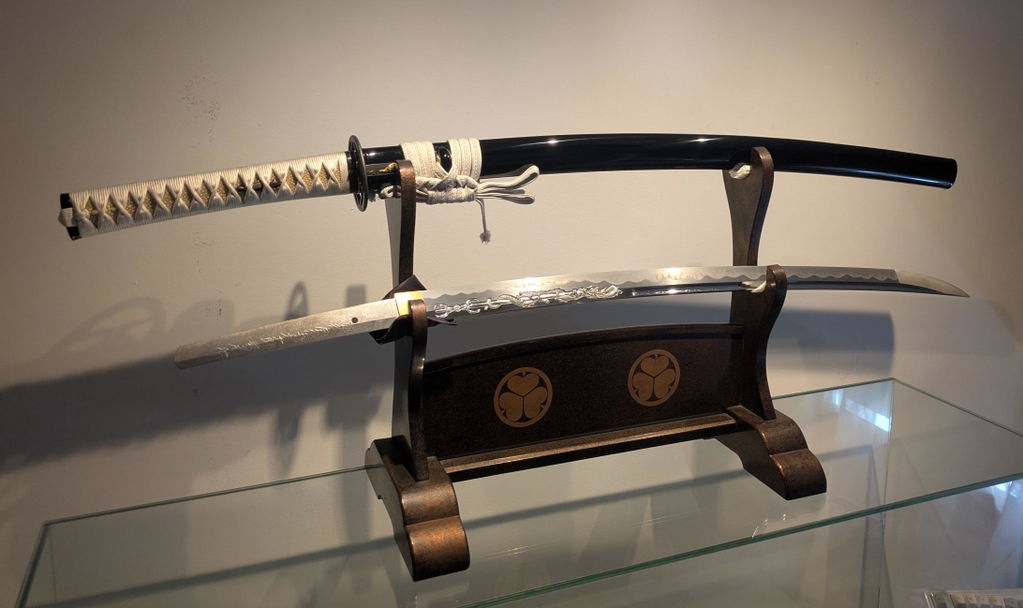
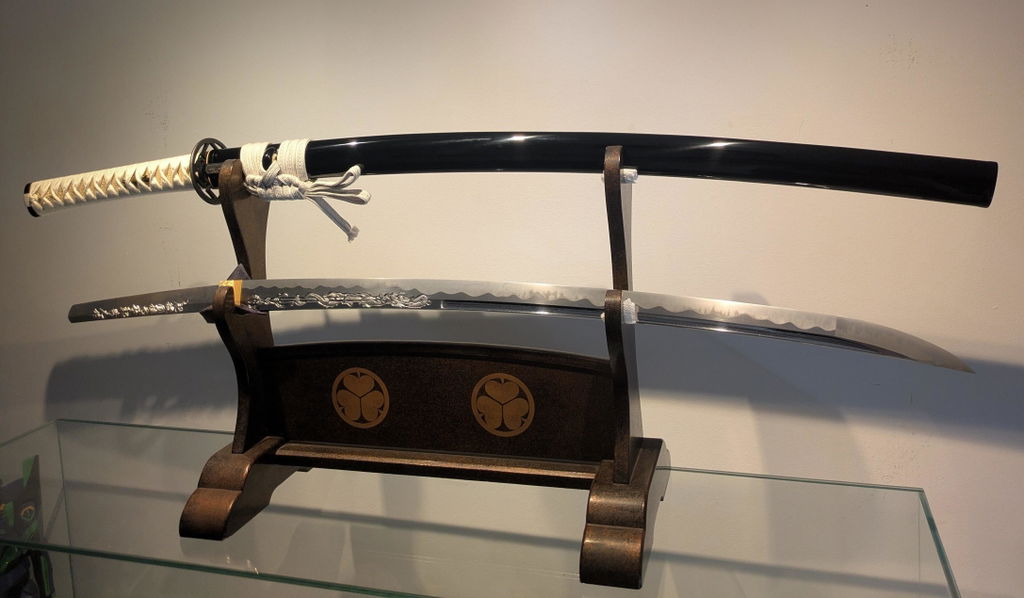
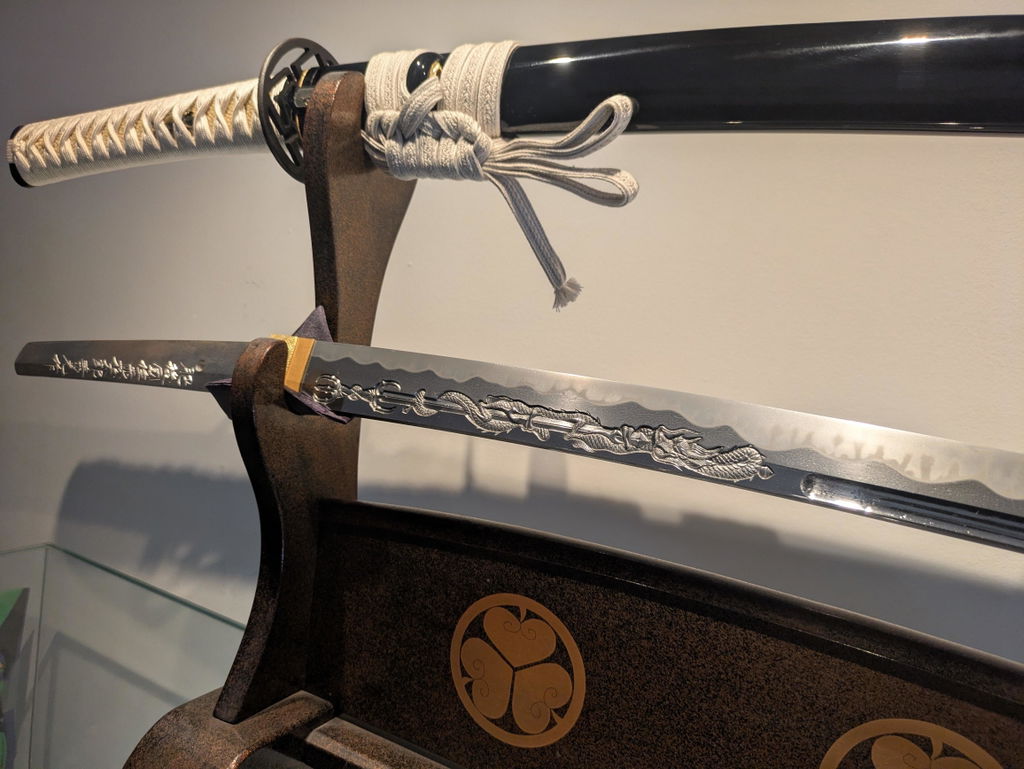
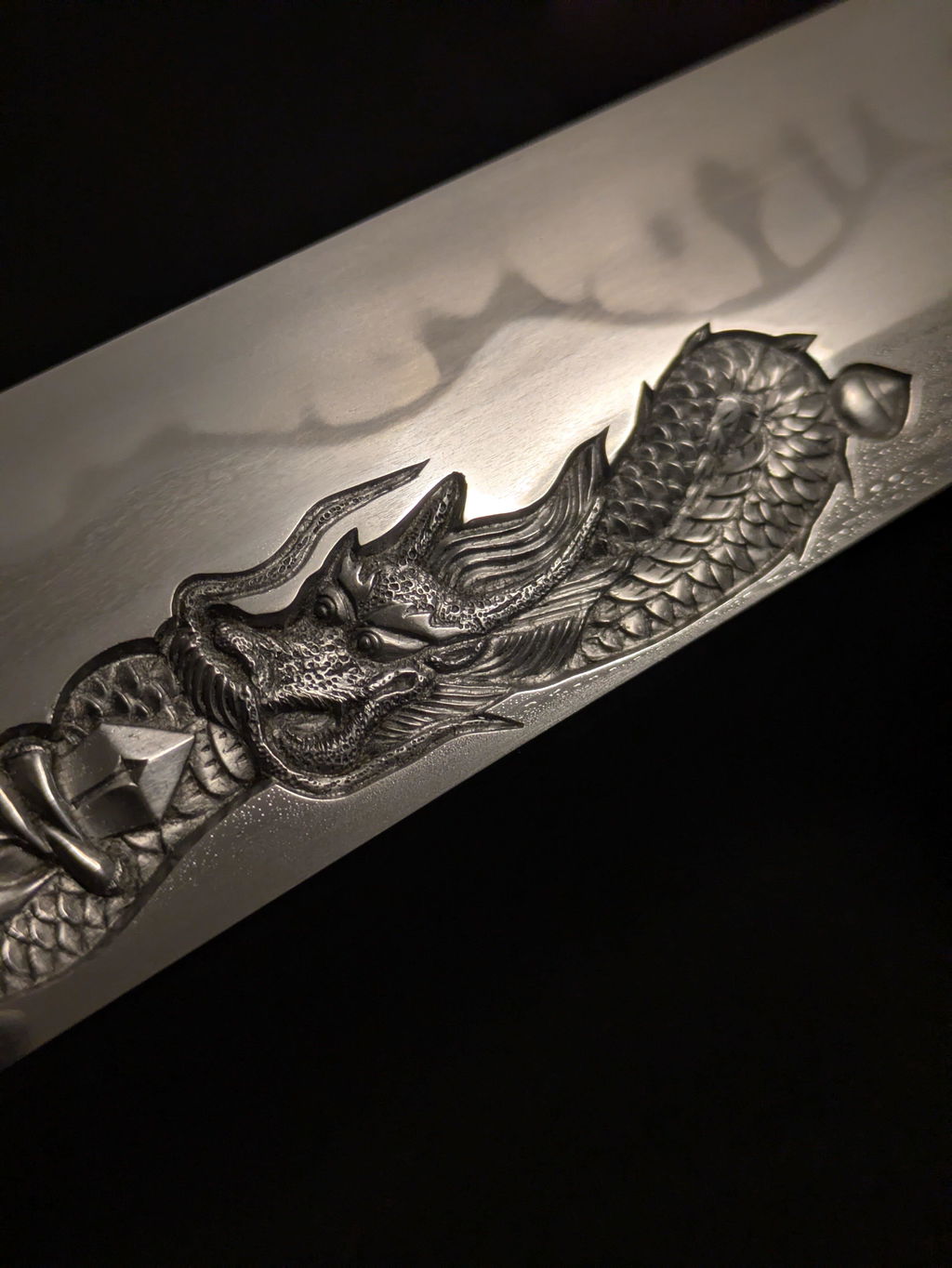
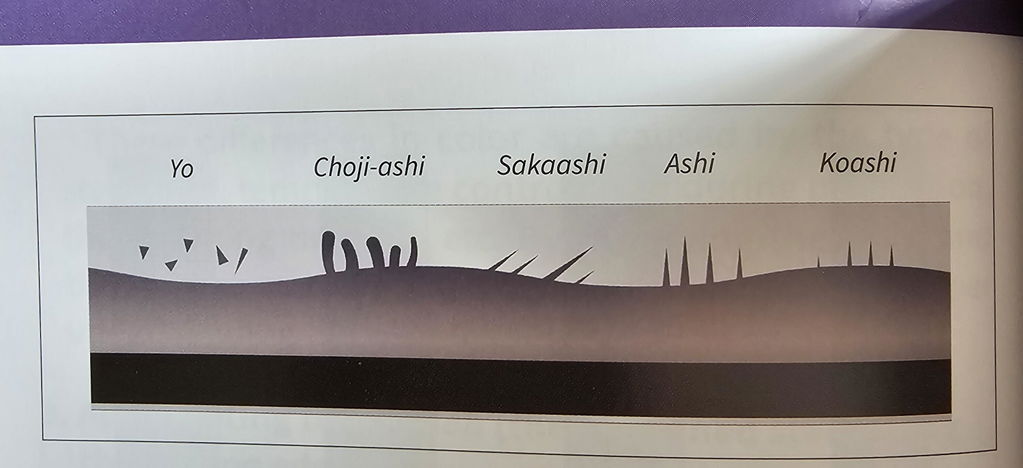
Discover nioi, the subtle temper line on Japanese swords. This article explains its formation, distinguishes it from nie, and details its hamon patterns. You'll understand nioi's crucial role in kantei (appraisal) and its aesthetic and historical importance in nihonto. 1....
Katana Blog
Japanese Sword Manufacturing: Authentic Craftsmanship vs. Global Production
Explore Japanese sword manufacturing, contrasting revered traditional craftsmanship with modern "Made in China" production. Understand the stark differences in quality, authenticity, and value, crucial for collectors and enthusiasts navigating this complex market. 1. What Defines a True Japanese Sword?mass production...
How can a Japanese sword be repaired by a craftsman in Japan?
This guide to authentic Japanese sword repair in Japan covers the traditional Nihonto restoration process, featuring master Togishi and Koshirae. Understand common damage, repair steps, costs, and how international owners can find reputable workshops for unparalleled preservation. 1. Understanding the...
Understanding Japanese Sword Import Tariffs for Collectors Worldwide
For Japanese sword collectors, this guide clarifies complex import tariffs and duties. Understand how destination, sword type (antique/modern), and declared value influence costs. Learn the step-by-step process, documentation, and regional customs for a compliant, predictable import. 1. Introduction to Importing...
NBTHK Kanteisho Types Explained: What Each Certificate Means
Understand NBTHK Kanteisho certificates. This guide demystifies each of the four types, explaining their authentication criteria and significance for Japanese swords. You'll learn their impact on value, gaining the knowledge to confidently interpret your nihonto's certification. 1. Understanding the NBTHK...