Antique Japanese Wakizashi Sword - Mumei, Shinto Era (36.6 cm)
¥200,000 ¥240,000

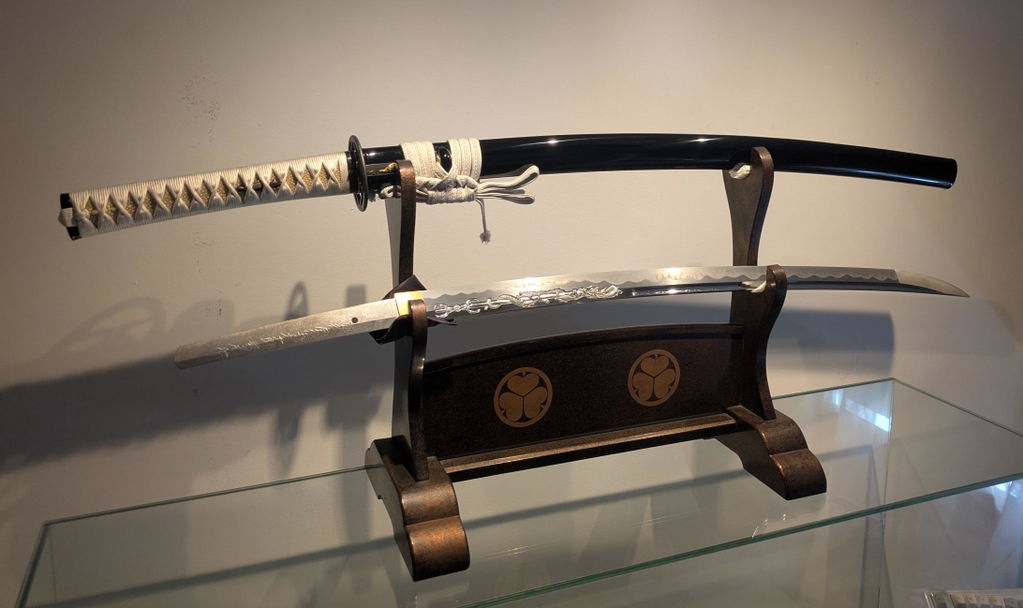
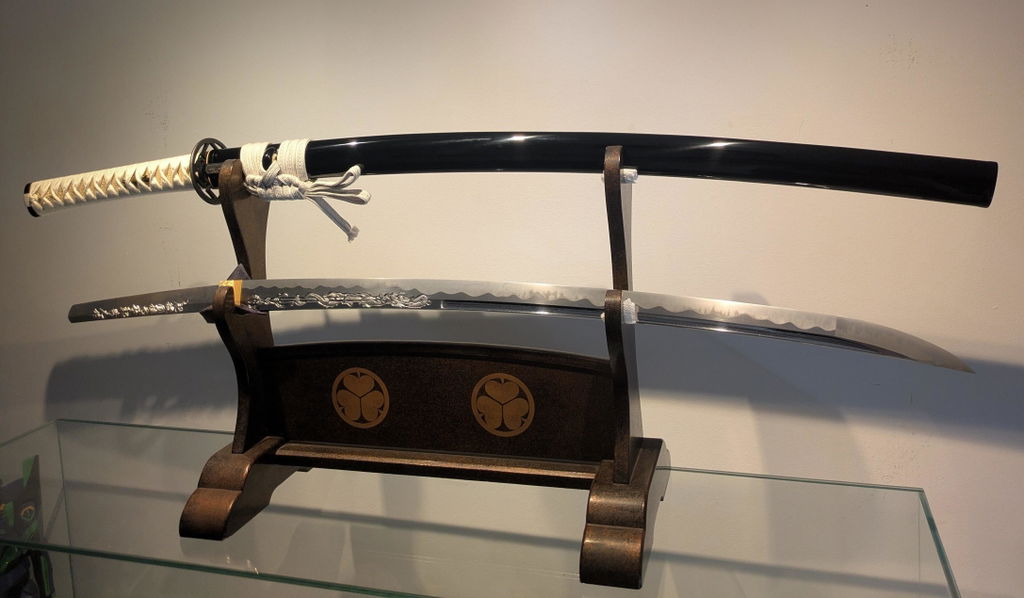
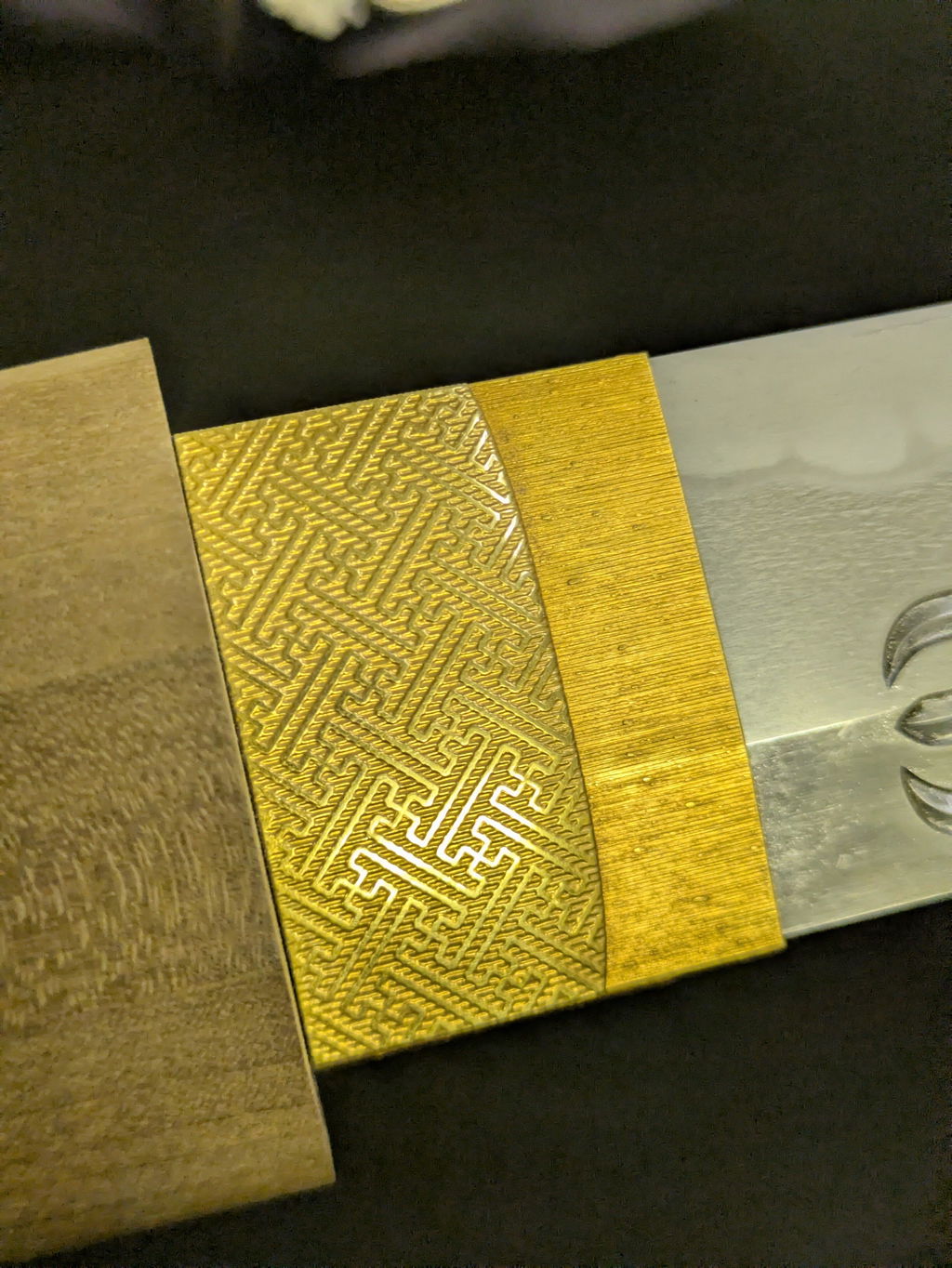
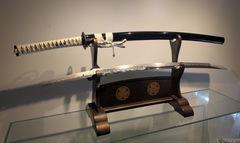
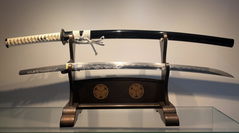
An ubu (original-length), signed (zaimei) masterwork tanto by a swordsmith who worked in Musashi province (present-day Saitama) around the mid-Edo period (Genroku era). It arrives as an unusually lavish set complete with two period mountings (koshirae) of quite different character — so the owner can change its dress to suit the day's mood or the feel of a collection, a rare and delightful luxury for any sword lover.
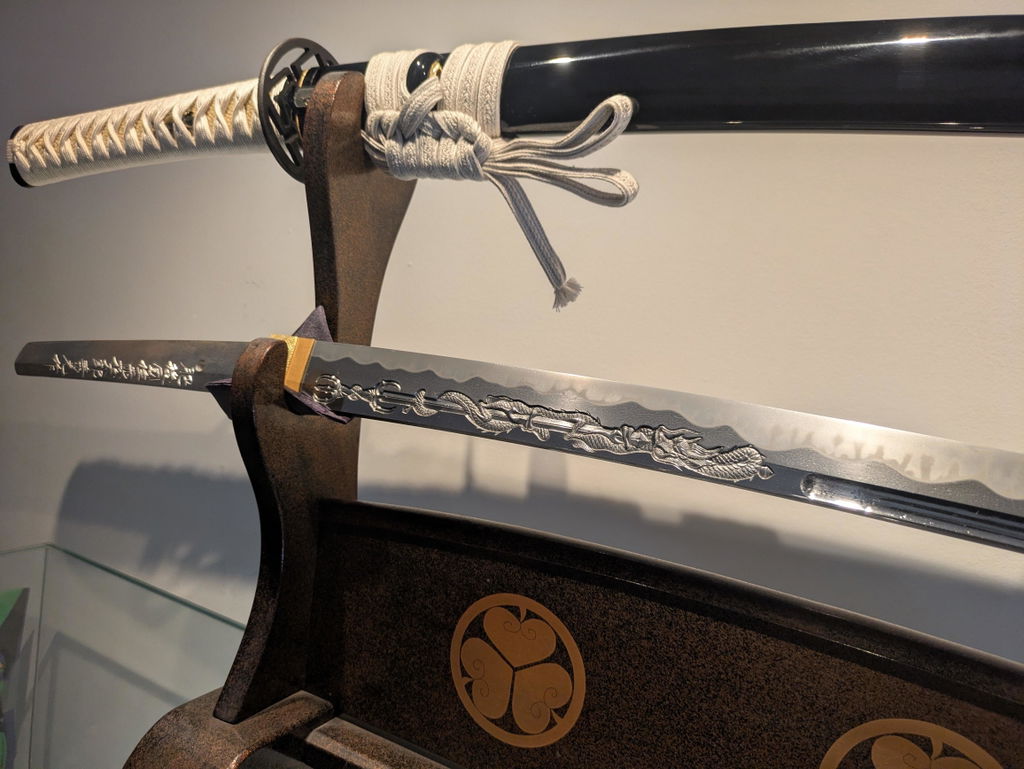
An ubu, signed piece by a mid-Edo (Genroku-era) smith of Musashi. The tang (nakago) is carved with the signature Hiromitsu saku (廣光作), and the finish shows the skill of an accomplished mid-Edo maker. Freshly polished, the blade has survived the passage of the years in an almost miraculous, essentially flawless condition.
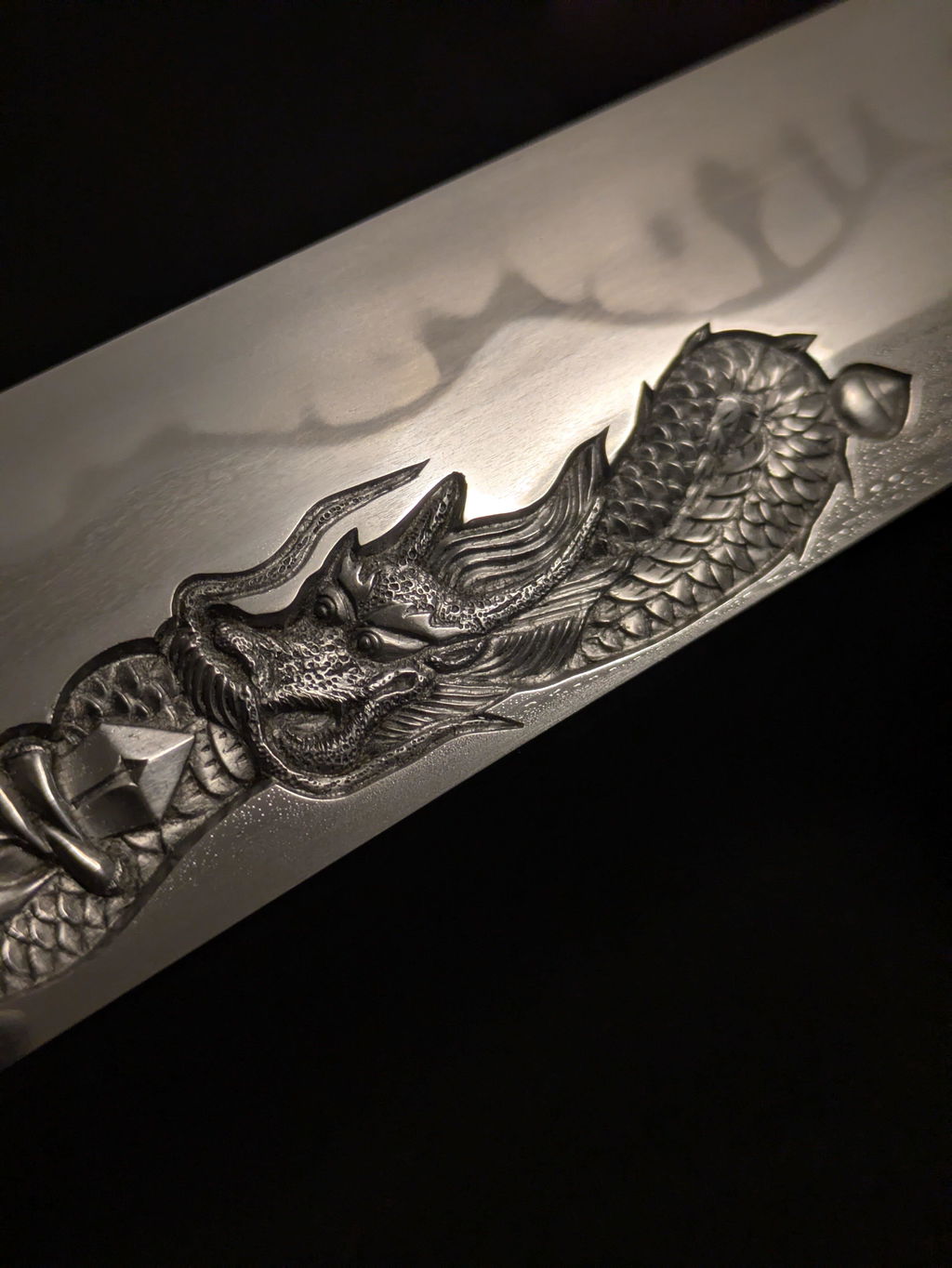
The jigane is based on a very finely packed ko-itame (small wood-grain), with a moist, deep quality; forged with great uniformity and free of any coarse ō-hada, it conveys the refined material for which mid-Edo Musashi smiths are known. The hamon is broad, based on a leisurely, large-wave ō-notare. Within the edge, delicate activity can be admired throughout — streaks of nie (sunagashi) and bright, glittering lines (kinsuji) that catch the light. Though tempered in a sharp, nie-hon'i manner from the yakidashi, the nioiguchi is remarkably bright and clear — a notable feature of this blade.
The tang is ubu and signed Hiromitsu saku (廣光作). Hiromitsu was a swordsmith active in Musashi province — the region of present-day Saitama — around the middle of the Edo period, in the Genroku era, and this tanto shows his hand at its best.
This is a richly appointed set that comes with two period mountings:
Wooden placeholder blades (tsunagi) allow both mountings to be kept and displayed. Being able to change the sword's dress to match the mood of the day or the character of one's collection is a pleasure of the highest order for the devoted collector.
An ubu, signed mid-Edo tanto by Hiromitsu of Musashi — its finely packed ko-itame and broad ō-notare temper with sunagashi and kinsuji preserved in near-flawless condition, and presented as a luxurious two-koshirae set ready to appreciate exactly as it is.
¥200,000 ¥240,000

¥400,000 ¥430,000

¥390,000 ¥410,000

¥270,000 ¥290,000

¥300,000 ¥330,000


Every blade reflects generations of knowledge, discipline, and precision passed down through traditional Japanese swordmaking. From the forging of steel to the final finishing touches, each piece is shaped with patience, mastery, and deep respect for heritage.

From carefully selected materials to the refined finishing of every surface, each sword is crafted and presented with uncompromising attention to detail. Our commitment to authenticity ensures every piece reflects true tradition, lasting quality, and enduring cultural value.

Designed with balance, simplicity, and purpose, our blades embody the harmony between refined form and skilled craftsmanship. Each sword represents a thoughtful union of strength, elegance, and the timeless discipline of Japanese artisans.