

Some treasures are acquired. Others claim their owner forever.
There's a defining instant many collectors recall vividly: grasping a genuine Japanese sword for the first time. The impeccable balance in your palm, the subtle curve whispering of battles long past, the way light dances across the hamon temper line—something awakens. Curiosity ignites into obsession, pulling you into a world where nihonto becomes more than a possession; it becomes a companion.
This piece uncovers why the Japanese sword captivates so profoundly, turning casual admirers into devoted stewards of samurai legacy.
Seven Forces That Forge Eternal Bonds
-
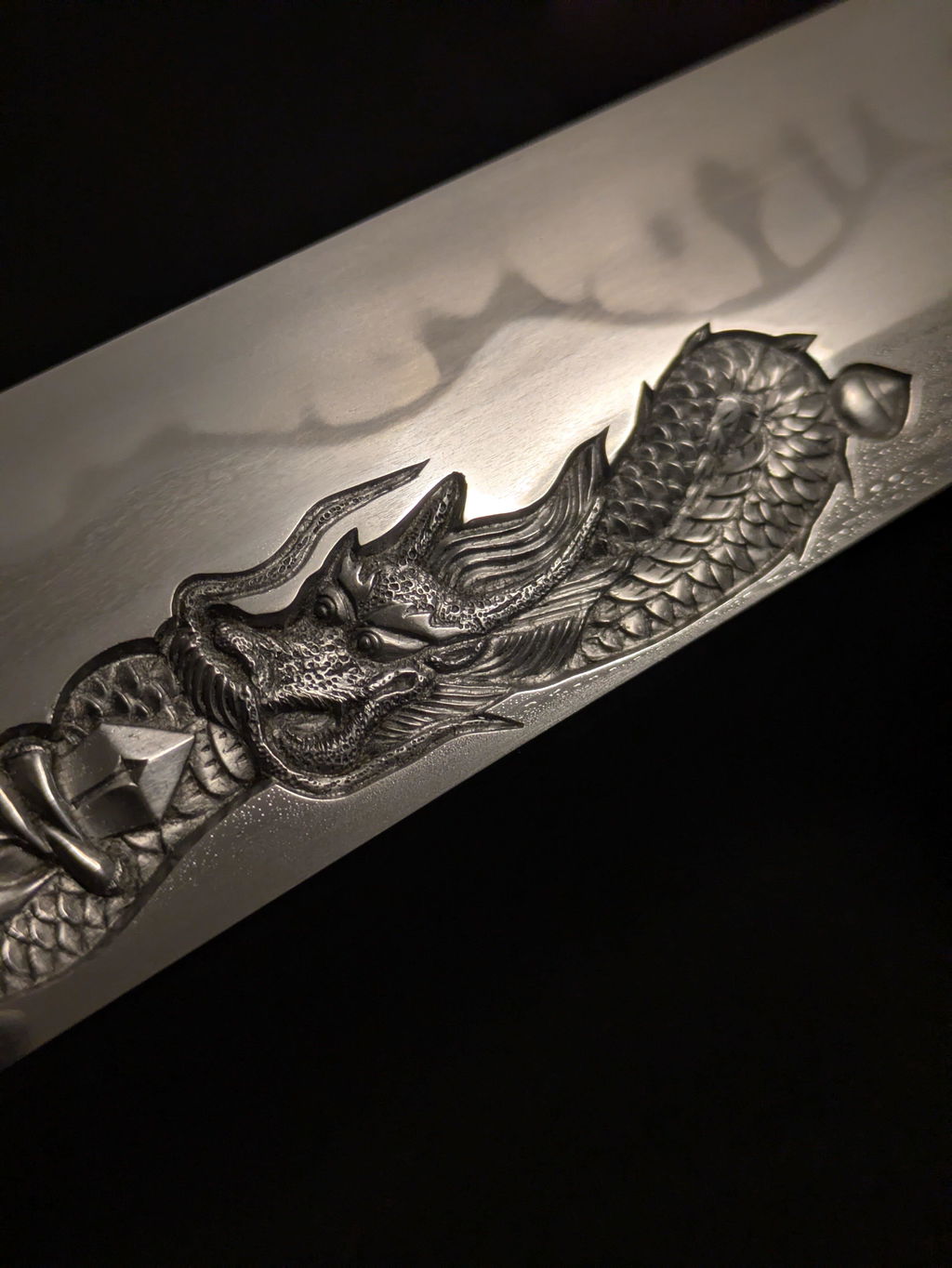
Unmatched Individuality: Each authentic blade stands alone, its hamon pattern—a crystalline wave born from clay, fire, and quench—as unique as snowflakes. The jihada grain reveals fold counts from tamahagane forging, ensuring no duplicate exists in 1,000 years of craft.
-
Echoes of Deep History: Beyond age, these swords carry lineages etched in nakago inscriptions and sayagaki scrolls. A Kamakura-era katana predates Columbus, often backed by NBTHK papers tracing owners through shoguns and daimyo.
-
Artistry Meets Mastery: Differential hardening defies modern metallurgy—razor edges from high-carbon steel, spines yielding like springs. This alchemy yields beauty no machine replicates, where polish unveils hidden landscapes in steel.
-
Endless Pursuit of Knowledge: Mastery demands decoding sugata profiles, regional gokaden styles, and smith signatures. What starts as admiration evolves into fluency in boshi tips and nie crystals, unlocking layers forever.
-
Sacred Maintenance Rites: Care isn't chore—nujime wiping, choji oil anointing, shirasaya storage—it's communion. This tactile ritual deepens attachment, transforming owners into guardians of living history.
-
Brotherhood of Guardians: Nihonto circles span globe-spanning NBTHK chapters, where novices glean wisdom from 50-year veterans. Forums, meets, and shared unboxings build tribes united by reverence.
-
Timeless Investment Wisdom: Certified gems appreciate steadily, blending passion with prudence. Patience rewards those who prioritize beauty over speculation.
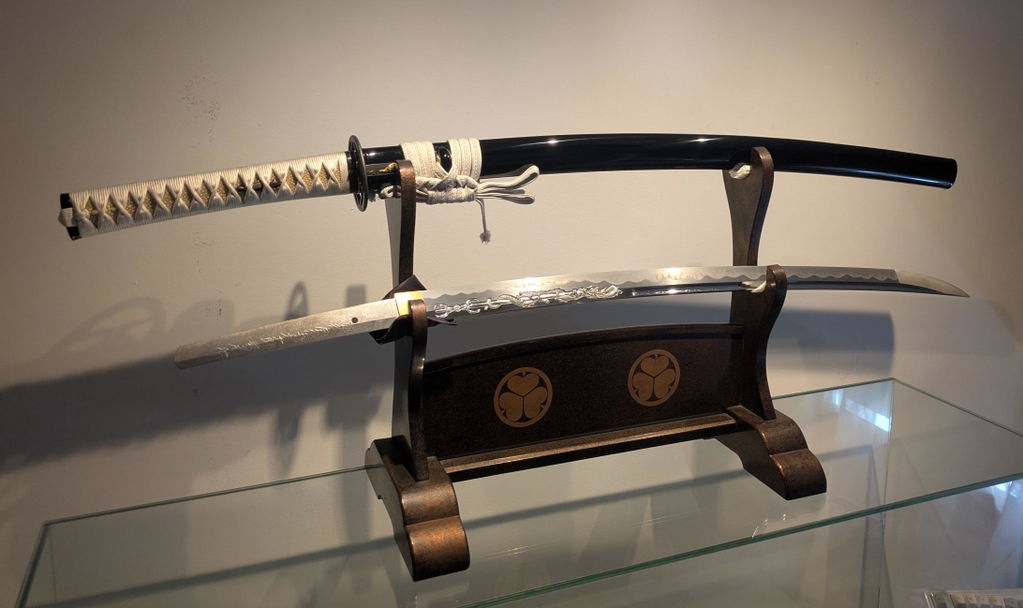
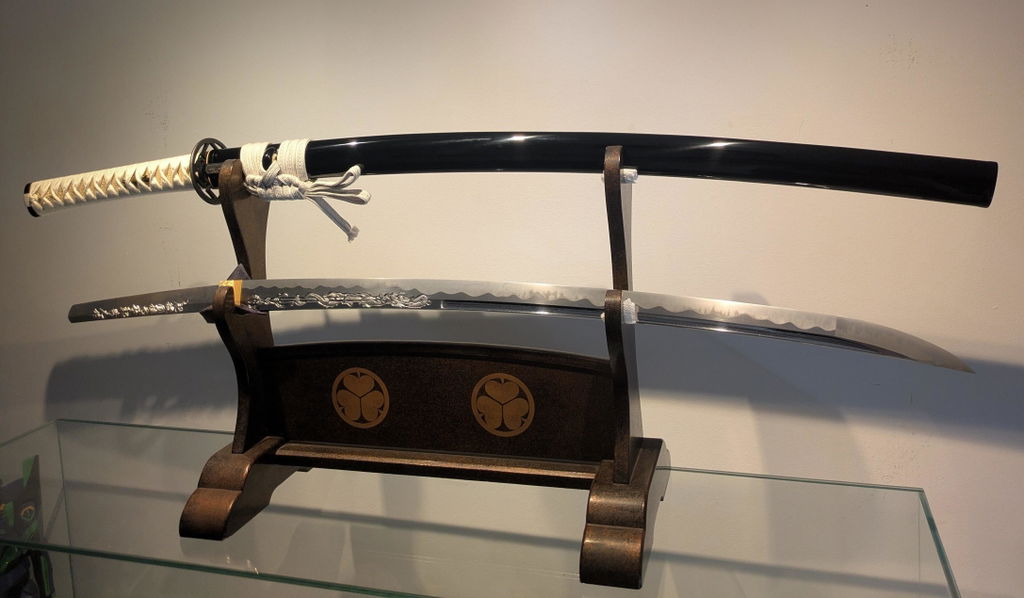
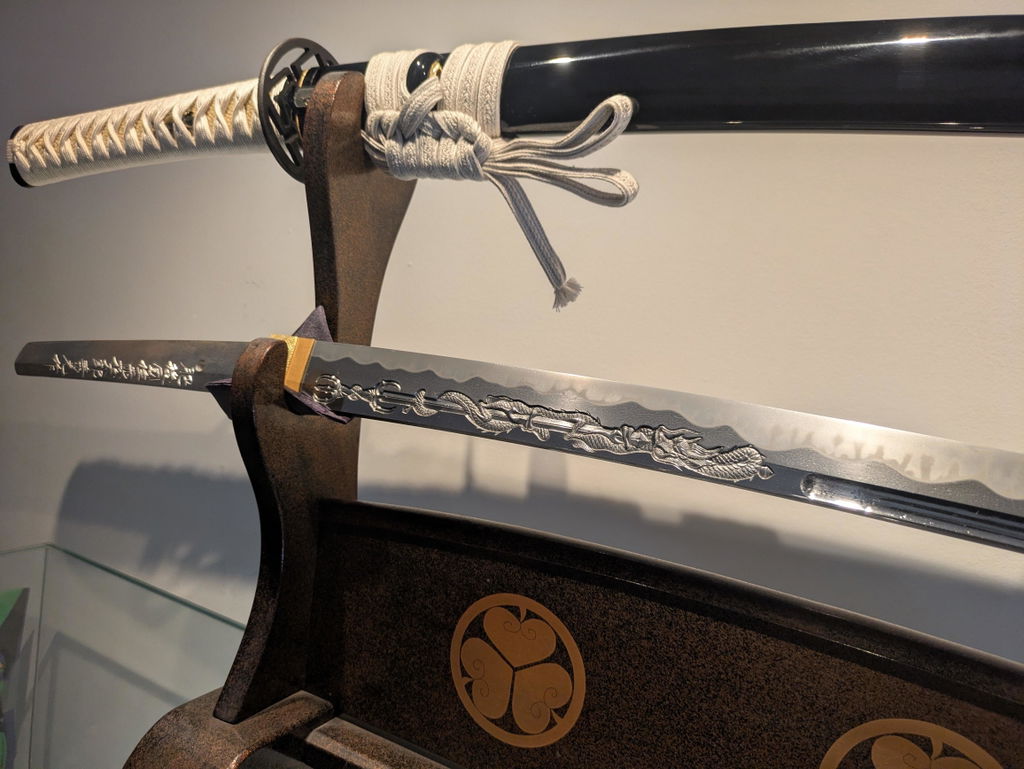
This striking katana on its lacquered stand captures the blade's hypnotic poise, hilt gleaming with promise of untold stories.
Profiles of the Devoted
The Visionary: Drawn to aesthetic splendor—choji hamon blooms, itame hada waves—like connoisseurs of ukiyo-e or raku pottery.
The Wielders: Iaido and kendo practitioners feel the sword's soul through cuts, seeking shinken that sing in motion.
The Historians: Scholars chase signed works by Masamune heirs or Soshu masters, piecing feudal puzzles.
The Strategists: Eye mukansa winners and Juyo tokens, balancing scarcity with provenance for legacy portfolios.
All converge on one truth: one sword leads to many, each door swinging wider.
Decoding Value Across Eras
Passion trumps pure profit—blades cherished for spirit hold value best.
Crafting Your Path at JapaneseSword.net
From Kyoto's forges, this haven ships vetted nihonto worldwide—antiques to new-minted wonders. Detailed galleries, export compliance, and guidance ensure your first (or fiftieth) blade arrives as destiny intended.
Explore JapaneseSword.net—let a sword select you.
Certain objects pass through life. The Japanese blade? It redefines it

Leave a comment: