

Carrying a 1,300-Year Tradition Into the Future
For more than thirteen centuries, the making of the Japanese sword has been handed down from master to apprentice — an unbroken chain reaching from the Heian period to the forge fires burning in Japan today. Gallery Tozando exists so that this chain is never broken on our watch.
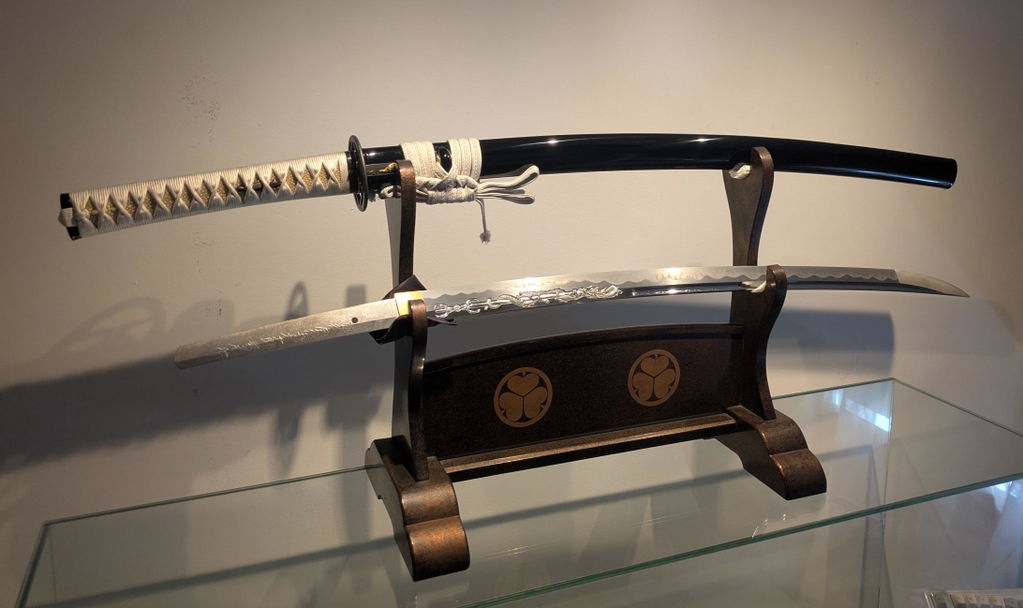
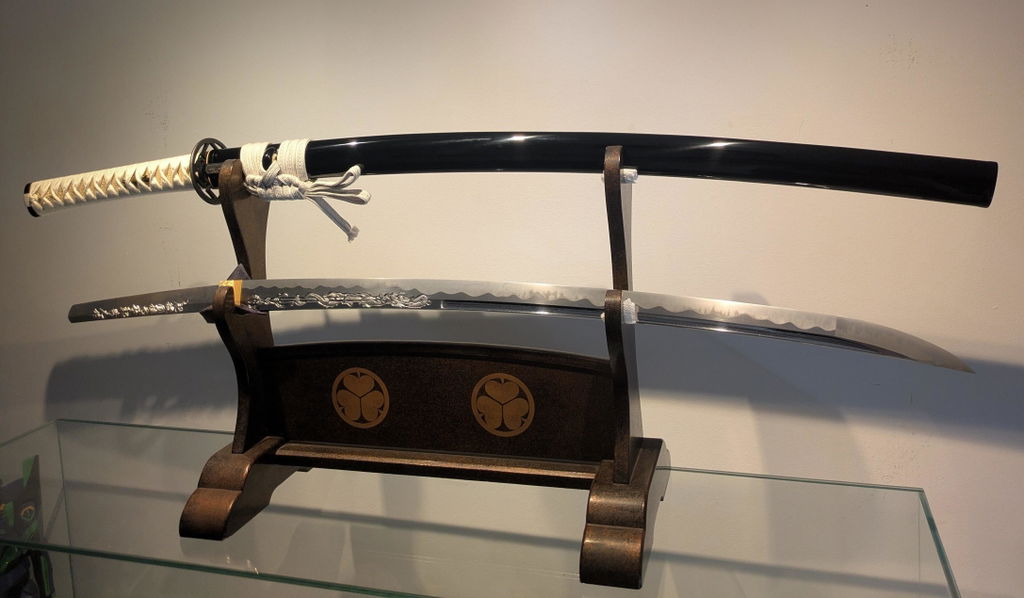
It is the only gallery in Kyoto devoted entirely to the work of living swordsmiths. We do not display relics behind glass as monuments to a lost age; we display the newly forged blades (shinsakutō) of licensed masters working today, in the very same tradition that produced the greatest swords in history. When you view, acquire, or commission a sword through Tozando, you are not buying a piece of the past — you are helping carry a living art into the future, and passing the torch to the next generation of smiths who will keep the flame alight after us.
When Gallery Tozando opened its doors, the Kyoto Shimbun — Kyoto's leading daily newspaper — featured the gallery on the front page of its evening edition (April 2023), recognising a new home in the ancient capital for a living Japanese art.
In the Shogoin district of Kyoto — a neighbourhood where temple bells and the sounds of daily life have coexisted for centuries — there is a space unlike any other in Japan's sword world. Gallery Tozando does not display relics. It displays the work of living masters: licensed Japanese swordsmiths forging in the same tradition that produced the greatest blades in history, creating today what future generations will look back on as the masterworks of this era. It is the only gallery in Kyoto dedicated entirely to modern shinsakutō — and it exists because Tozando believes the tradition of Japanese swordsmithing is not something to be preserved behind glass. It is something to be continued.
Living Craft in the Ancient Capital
Google Reviews
Gallery Tozando occupies a quietly distinguished space in Shogoin — a short walk from the main Tozando Shogoin store, in the same neighbourhood that has been home to Tozando's operations for decades. The gallery was established specifically to give contemporary Japanese swordsmithing the dedicated, respectful platform it deserves: a space designed around the display and appreciation of newly forged blades, where the craft is the centre of attention rather than a secondary offering alongside antiques and equipment.
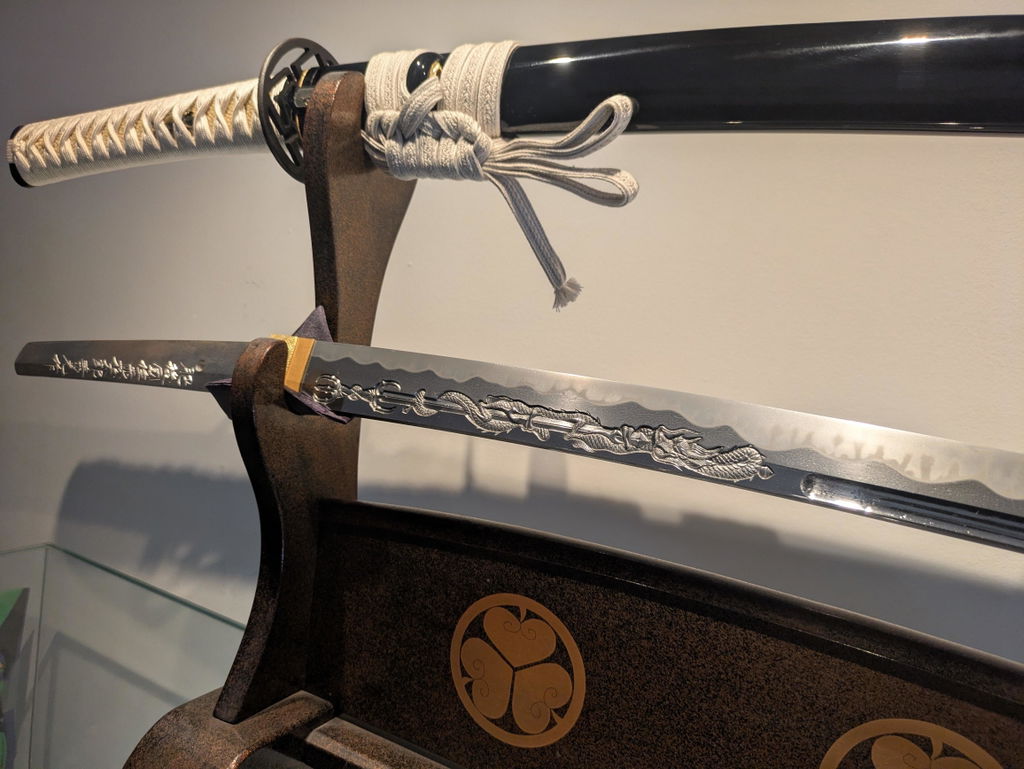
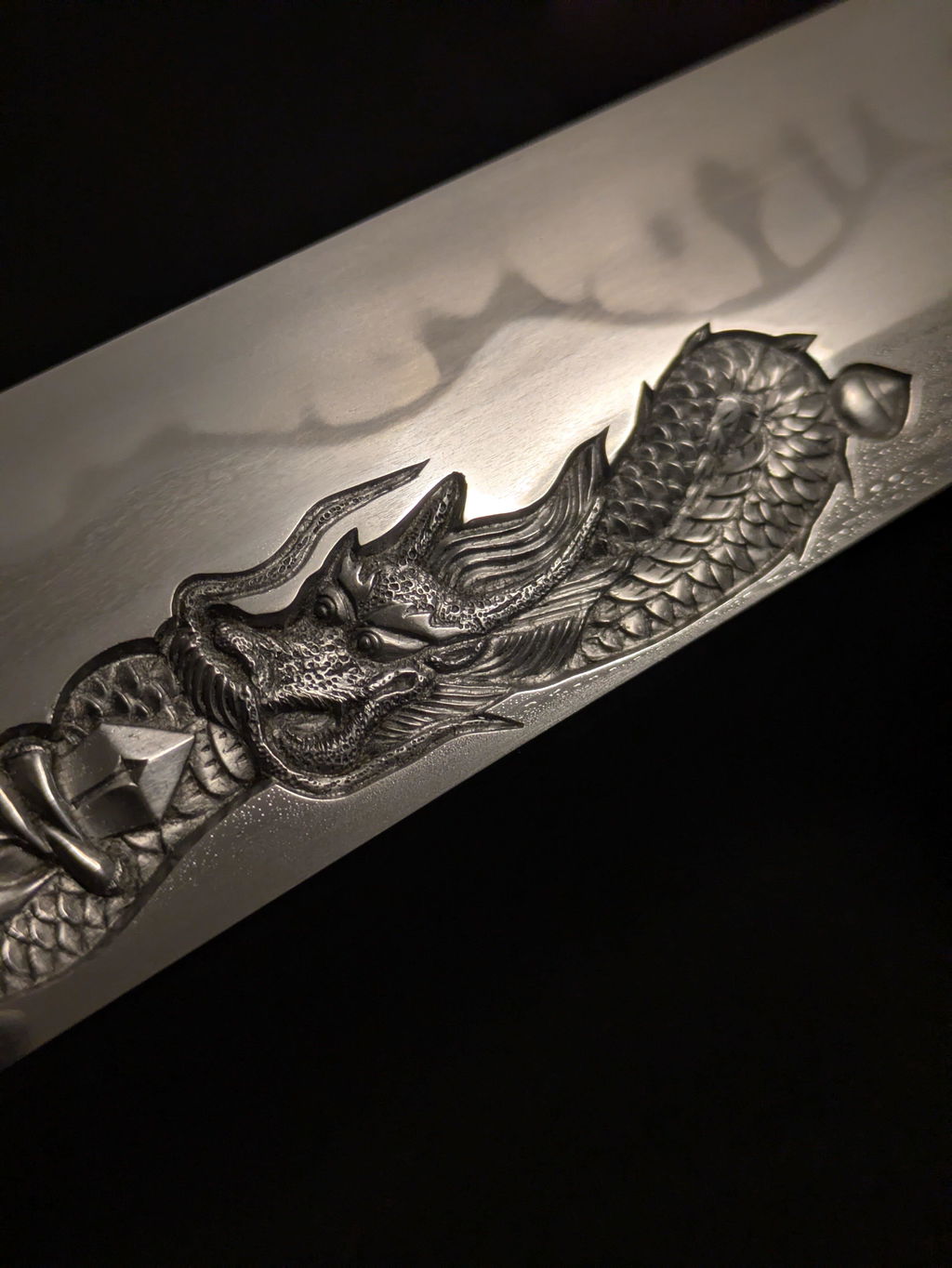
The gallery focuses exclusively on shinsakutō — swords forged by currently licensed Japanese swordsmiths using traditional methods: tamahagane steel, differential clay hardening, water quenching, and professional polishing by master tōgishi. The collection includes works by smiths at multiple levels of recognised excellence, with particular emphasis on pieces by mukansa-level masters — those whose competitive record the NBTHK has formally acknowledged as placing them beyond further examination.
Why a Gallery Dedicated to Modern Swords — The Vision
Most sword galleries in Japan — and virtually all overseas — concentrate on antiques. This is understandable: historical blades carry the weight of centuries, famous smiths, and the romance of the samurai era. But it creates an imbalance that Gallery Tozando was established specifically to address.
The living swordsmiths of Japan are the direct continuation of a tradition that the antique market celebrates. They are using the same materials — tamahagane from the last operating tatara smelter in Shimane — the same techniques, and the same standards of craft that produced the Kamakura and Muromachi blades that now rest in national museums. Their work is not a reproduction of history. It is history, continuing.
And yet these smiths — including mukansa-level masters whose work the NBTHK has formally recognised as representing the highest level of contemporary achievement — have historically had very limited access to the international collector market. Gallery Tozando exists to change that. It is a bridge between the living craft and the collectors around the world who are the most natural audience for it.
bringing Bizen Osafune to the world
Gallery Tozando's role in promoting contemporary swordsmiths is not merely Tozando's own initiative. The Mayor of Setouchi City — the city responsible for the Bizen Osafune Sword Museum, where Tozando serves as the designated management operator of the Bussankan — has personally requested Tozando's assistance in promoting the work of contemporary smiths with connections to the Bizen Osafune tradition internationally.
This request reflects a clear-eyed understanding of what sustains a living craft: not subsidies, not institutional preservation, but a genuine market — collectors around the world who value what these smiths create, purchase their work, and ensure that the economics of traditional swordsmithing remain viable for the next generation of smiths to enter the field. When a collector purchases a modern sword through Gallery Tozando, they are directly sustaining a smith who has spent over a decade mastering a thousand-year tradition — and contributing to the economic ecosystem that allows that tradition to continue.
Tozando has taken this mandate seriously, accompanying the Mayor of Setouchi City on official overseas missions to Paris and New York to promote the Osafune brand and contemporary swordsmithing to the international collector community. Gallery Tozando is the physical expression of that mission in Kyoto — and japanesesword.net is its digital counterpart, bringing the gallery's offerings to collectors who cannot visit in person.
What You Will Find — The Gallery's Collection
Gallery Tozando's collection rotates as pieces are acquired and sold, but its character is consistent: a curated selection of contemporary Japanese swords at multiple price points, with a particular concentration at the highest levels of recognised quality.
-
Mukansa-level masterworks
Works by smiths who hold the mukansa designation — those whose competitive record the NBTHK has formally acknowledged as placing them beyond further examination. These pieces represent the highest level of contemporary Japanese swordsmithing and come with complete documentation of the smith's background, competition record, and technical approach. A mukansa blade from Gallery Tozando is the most directly verified acquisition available in the modern sword market.
-
Prize-winning contemporary pieces
Works by smiths with strong competition records at the NBTHK's annual Shinsakutō (New Sword) Exhibition — blades that have been examined and recognised by the most demanding panel of experts in the Japanese sword world. Each piece comes with NBTHK certification papers and the documentation of the smith's competitive achievements.
-
Bizen tradition pieces — in Osafune's spirit
In response to the Mayor of Setouchi City's request, the gallery maintains a particular focus on works by smiths with connections to the Bizen Osafune tradition — one of the most historically important and visually distinctive traditions in all of Japanese swordsmithing. These pieces connect the collector directly to the tradition centred on a site where nearly half of Japan's designated National Treasure swords originated.
-
Complete provenance from day one
Every sword in the gallery comes with documentation that begins at the forge: the smith's name, training lineage, the specific materials used, the date of forging, and all subsequent certification and competition records. This is the most complete provenance documentation available in the sword market — far exceeding what even the best-documented antique can offer. For collectors who value certainty, a Gallery Tozando piece is uniquely unambiguous.
-
Export-ready — ship anywhere in the world
Every piece in Gallery Tozando can be shipped internationally with full export documentation from the Agency for Cultural Affairs — the same process that applies to all Tozando's international shipments. For the collector who cannot visit Kyoto, the gallery's collection is accessible through japanesesword.net, with the same expert guidance and documentation package that a gallery visit provides.
In Their Own Words — What Visitors Say
"Nice high-end samurai sword shop with new authentic hand crafted swords. They are affiliated with another shop down the street that sells antiques and training swords."
Google Review · Gallery Tozando, Kyoto
"Beautiful swords and amazing staff. We explained that we were just looking around and they took their time to explain everything very thoroughly. Loved every second of it. Hope one day I can come again and buy one of the exquisitely made tantos."
Google Review · Gallery Tozando, Kyoto
"Part time Max and branch owner Sato-san are very friendly and patient in explaining the detail of swords. There is a place close to this one that sells the modern swords. Suggest you buy the modern swords instead of antique ones as they are better quality and ensured no cut before."
Google Review · Tozando Shogoin, Kyoto (referring visitors to Gallery Tozando)
It is something to be continued — by living smiths, for living collectors."
Why Some Collectors Choose Modern Over Antique
The choice between antique and modern is genuinely a matter of what a collector values — and both are valid, complementary, and often present in the same serious collection. But for certain collectors, modern shinsakutō from Gallery Tozando offers specific advantages that no antique can match:
Absolute provenance clarity. A modern sword forged last year by a licensed smith carries documentation that is irrefutable: who made it, when, where, with what materials. No attribution judgment is required; no forgery is possible. For collectors who have experienced the frustrations of the antique market's attribution uncertainties, this clarity is not a small thing.
Perfect physical condition. A newly forged blade in fresh polish is, by definition, in the best possible physical condition. No restoration history, no hidden wear from centuries of use, no questions about previous storage. What you see is exactly what exists.
Living relationship with the maker. In some cases, particularly for commissioned pieces, the collector knows the smith personally — has corresponded about the blade's specifications, understands the specific decisions made in its creation, and owns a piece that was made specifically for them. This kind of relationship is unique to the modern sword market.
Supporting the tradition's future. Perhaps most significantly: purchasing a modern sword directly sustains the economic ecosystem that allows traditional swordsmithing to continue. The approximately 300 licensed smiths currently active in Japan depend on demand for their work to continue their practice and to make the apprenticeship system economically viable for the next generation. A collector who buys from Gallery Tozando is not merely acquiring a beautiful object — they are participating in the chain of transmission that has kept this tradition alive for over a thousand years.
Gallery Tozando in the Context of Tozando's Four Locations
Gallery Tozando is one of four locations that together represent Tozando's full presence in Japan. Understanding each location's distinct focus helps collectors and visitors find exactly what they are looking for:
Visiting Gallery Tozando. The gallery is located in the Shōgoin district of Kyoto and is currently open by appointment, so that every visitor receives a private, unhurried viewing of the swordsmiths' work. To arrange a visit — or to view or commission a piece from anywhere in the world — please contact us and we will be glad to help.
shipped from Kyoto to your door
Whether you visit us in Kyoto or browse from anywhere in the world, Gallery Tozando's modern shinsakutō collection is available to collectors in over 30 countries — with full Agency for Cultural Affairs export documentation, NBTHK certification, and the same expert guidance you would receive in the gallery itself.
Frequently Asked Questions: Gallery Tozando & Modern Japanese Swords
Where is Gallery Tozando, and can I visit?
Gallery Tozando is in the Shōgoin district of Kyoto and is currently open by appointment, so each visitor receives a private, unhurried viewing. You do not need to visit in person to buy — we serve collectors worldwide — but if you are in Kyoto, please contact us to arrange a visit.
What does Gallery Tozando exhibit?
Only the work of living Japanese swordsmiths — newly forged blades (shinsakutō) made today by licensed masters using traditional methods. It is the only gallery in Kyoto dedicated entirely to contemporary swords rather than antiques. You can also browse modern works online.
Can I commission a sword from a living Japanese swordsmith through Tozando?
Yes. We arrange commissions (chūmon-uchi) directly with contemporary masters. Because each blade is made to order, production typically takes around a year. See our commission page to begin.
How many swordsmiths are still making swords in Japan today?
Only around 300 licensed swordsmiths remain active in Japan, and far fewer make a living at it. By law a licensed smith may forge only a limited number of blades each month, and together they produce roughly 300–400 swords a year. The highest honour, mukansa, has been awarded to only a few dozen smiths in modern history. This scarcity is why supporting living masters matters.
What is a shinsakuto (newly forged sword)?
A shinsakutō is a Japanese sword forged in the present day by a licensed smith using traditional tamahagane steel and methods — a genuine nihonto, simply made now rather than centuries ago. Learn more about the living tradition of modern swordsmiths.
Why choose a modern Japanese sword over an antique?
A newly forged sword is in flawless, as-made condition, is fully documented, can be commissioned to your wishes, and lets you support a living master and the survival of the craft. We compare the two paths in antique or contemporary — how to choose, and make the case for modern works in the living masters.
Can you ship a newly forged Japanese sword to my country?
Yes. We ship worldwide with full export clearance from Japan's Agency for Cultural Affairs and prepare the documentation your destination requires. Contact us about delivery to your country.
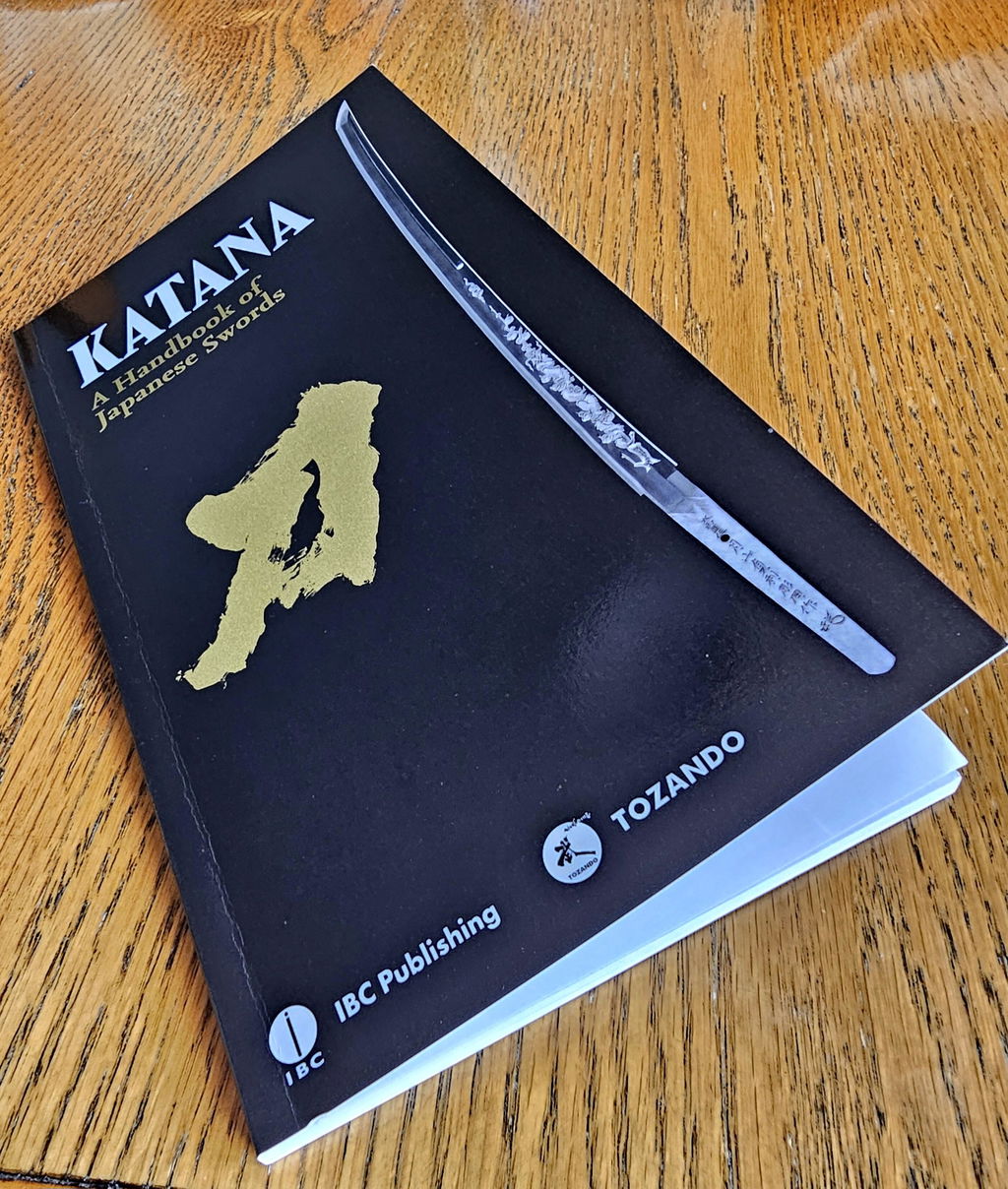
About Tozando. Tozando is a Kyoto-based dealer of authentic Japanese swords and full members of the NBTHK, working directly with living, licensed swordsmiths and the All Japan Swordsmiths Association. We authored KATANA: A Handbook of Japanese Swords, and Gallery Tozando has been featured by the Kyoto Shimbun. Whether you wish to commission a sword from a living master, view available modern works, or arrange a private gallery visit, we would be honoured to help.
In Closing — Where Tradition Meets Today
Kyoto has always been the city where Japan's cultural heritage lives most fully — where traditions that elsewhere survive only in museums are still practised, still taught, still present in the texture of daily life. Gallery Tozando belongs in this city in the most natural way: a dedicated space for the continuation of one of Japan's most extraordinary artistic traditions, in the place that tradition has called home for over a millennium.
The swords that hang in the gallery were made within the past few years. The tradition that made them stretches back a thousand years. And the collectors who bring them home — from Kyoto, from London, from New York, from anywhere in the world — become part of the chain of people who have valued these objects enough to ensure that the next generation of smiths could learn to make them.
That is what Gallery Tozando is. That is why it exists. And that is why the swords it holds are not merely beautiful objects — they are the living proof that the Japanese sword tradition has a future as well as a past.
Gallery information and visitor reviews sourced from Google Maps (Gallery Tozando, Kyoto · 4.4★, 53 reviews); additional location information from Tozando's own records. Mission context from Tozando's designated management role at Bizen Osafune Bussankan (Setouchi City designation) and the Mayor of Setouchi City's international promotion programme.

Leave a comment: