

Learn essential Japanese sword care. This guide covers proper katana storage, cleaning, oiling, and common mistakes to avoid, ensuring your blade's longevity and beauty. Preserve your katana correctly with expert advice on humidity control, stands, and long-term preservation techniques.
1. Understanding Your Katana
1.1 Types of Japanese Swords
While this article focuses on katana care, it's helpful to understand its place within the broader spectrum of Japanese swords. Each type has a unique purpose, size, and curvature, influencing its handling and care requirements.
1.1.1 Katana
The katana is a curved, single-edged sword traditionally worn by samurai. Characterized by its length of over 60 cm (approximately 24 inches), the katana was primarily used for cutting and slashing. Its distinctive appearance and historical significance make it the most recognizable type of Japanese sword.
1.1.2 Wakizashi
The wakizashi is a shorter sword, typically between 30 and 60 cm (approximately 12 and 24 inches), often paired with the katana in a daisho set worn by the samurai class. Used as a backup weapon or for close-quarters combat, the wakizashi shares similar construction and care requirements with the katana.
1.1.3 Tanto
The tanto is a dagger or knife, generally less than 30 cm (approximately 12 inches) long. While varying in design, the tanto often served as a secondary weapon or utility tool. Its smaller size necessitates slightly different handling compared to the katana and wakizashi, but many care principles overlap.
1.2 Anatomy of a Katana
Understanding the different parts of a katana is crucial for proper care and maintenance. Each component plays a vital role in the sword's function and requires specific attention.
| Component | Japanese Term | Description |
|---|---|---|
| Blade |
The most crucial part of the katana, forged from specialized steel and featuring a curved, single edge. The blade's differential hardening creates a harder cutting edge and a softer, more flexible back, giving it both strength and resilience. |
|
| Tang (Nakago) | Nakago |
The unsharpened extension of the blade that fits inside the hilt. The tang is essential for securing the blade and often bears inscriptions identifying the swordsmith and date of creation. Proper care of the tang is crucial for preventing rust and maintaining the sword's integrity. |
| Hilt (Tsuka) | Tsuka |
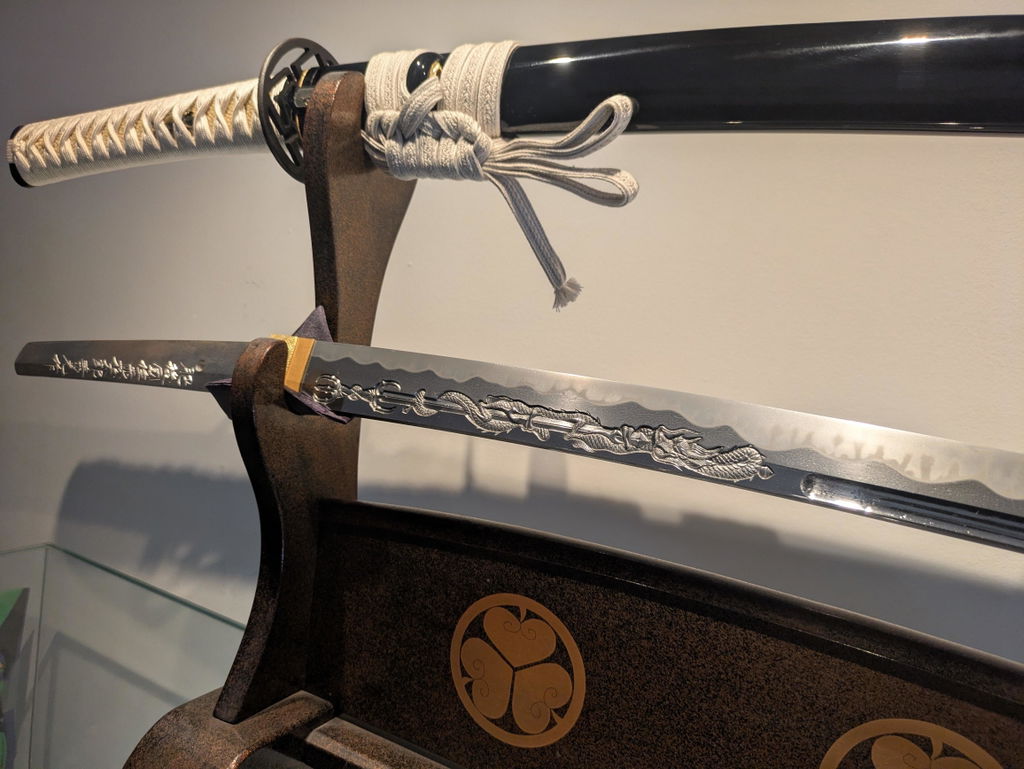
The handle of the katana, traditionally wrapped in ray skin (samegawa) and silk cord (ito). The tsuka provides grip and control during use. Maintaining the integrity of the hilt wrapping is important for both aesthetics and functionality. |
| Guard (Tsuba) | Tsuba |
The handguard located between the blade and the hilt. The tsuba protects the hand and helps balance the sword. Often ornately decorated, the tsuba is a key element of the katana's artistic value and requires careful handling to avoid damage. |
2. Essential Katana Storage Solutions
Proper storage is crucial for preserving the beauty and integrity of your katana. A suitable storage solution protects the blade from the elements, prevents accidental damage, and helps maintain its value over time. Choosing the right method depends on your individual needs and the number of swords in your collection.
2.1 Choosing the Right Sword Stand
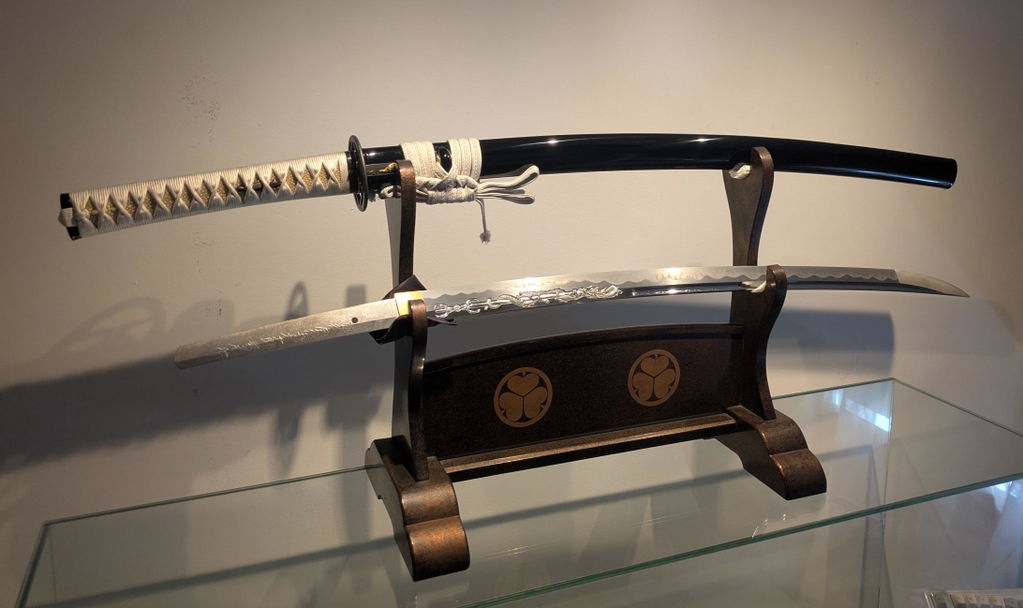
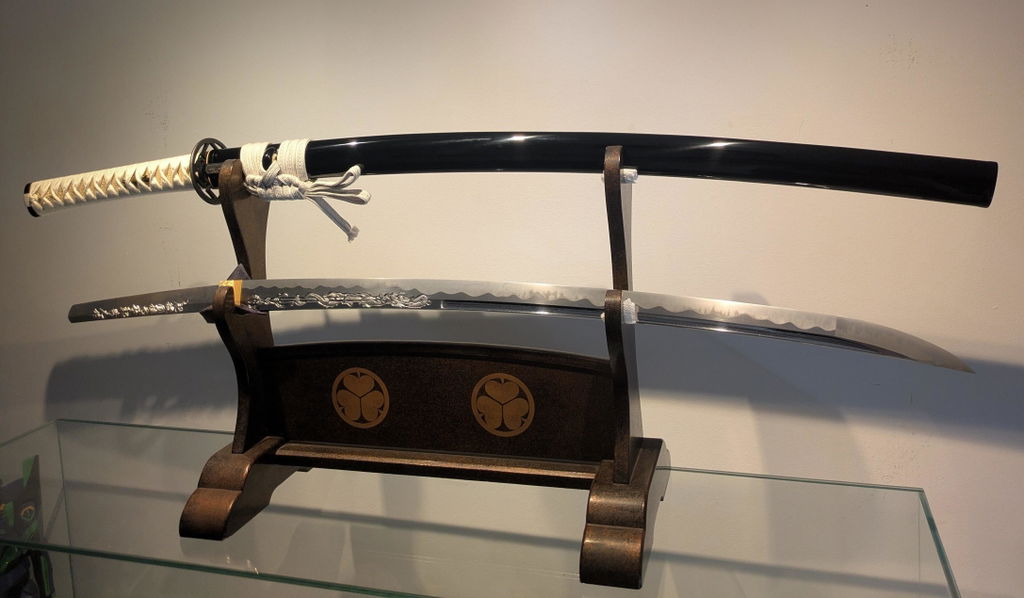
Sword stands are a popular choice for displaying and storing katanas, offering easy access while showcasing the sword's elegance. They come in various materials like wood, lacquer, and acrylic, and can accommodate single or multiple swords.
2.1.1 Single Sword Stands
Single sword stands are ideal for displaying a prized katana. They typically cradle the sword horizontally or at a slight angle, allowing for full appreciation of its curvature and craftsmanship. Look for stands with a felt or fabric lining to prevent scratches and offer a secure grip.
2.1.2 Multiple Sword Stands
If you have several katanas, a multiple sword stand is a space-saving and organized solution. These stands can hold anywhere from two to several dozen swords, often in a tiered or staggered arrangement. Ensure the stand is sturdy and provides adequate spacing between swords to avoid contact and potential damage.
2.2 Using a Sword Bag or Case
Sword bags and cases provide excellent protection for transporting or storing katanas, especially for longer periods. They are typically made from durable materials like cotton, silk, or nylon, and often feature padded interiors to cushion the blade. A well-made sword bag or case shields the katana from humidity, dust, and accidental bumps.
| Type | Pros | Cons |
|---|---|---|
| Cloth Bags (Cotton, Silk) | Breathable, traditional, affordable | Less protection against impact |
| Hard Cases (Wood, Plastic) | Maximum protection, often lockable | Can be bulky, less breathable |
2.3 The Importance of a Controlled Environment
Regardless of your chosen storage method, maintaining a controlled environment is paramount for katana preservation. Extremes in temperature and humidity can cause rust, warping, and other damage to the blade and fittings.
2.3.1 Temperature and Humidity Control
Ideally, store your katana in a cool, dry place with stable temperature and humidity levels. Avoid areas prone to fluctuations, such as attics, basements, or near heating vents. Consider using a dehumidifier or humidity control packets, especially in humid climates. A recommended humidity level is around 40-50%.
2.3.2 Avoiding Direct Sunlight and Dust
Direct sunlight can fade the lacquer on the saya (scabbard) and damage the blade over time. Similarly, dust accumulation can lead to corrosion and scratches. Always store your katana away from direct sunlight and in an enclosed space to minimize dust exposure. Regular dusting with a soft cloth is recommended.
3. Step-by-Step Katana Maintenance Guide
3.1 Cleaning the Blade
3.1.1 Materials Needed
Before you begin, gather the following materials:
- Nuguigami paper (rice paper specifically for sword cleaning)
- Uchiko powder (a fine polishing powder, optional but recommended)
- Mekugi-nuki (a small brass hammer for removing the mekugi peg, only if disassembling)
- Clean, soft cloths (microfiber or cotton)
- Choji oil (clove oil, a traditional Japanese sword oil)
- Gloves (optional, but recommended to prevent fingerprints and corrosion)
3.1.2 The Cleaning Process
- Preparation: Ensure your workspace is clean and free of dust. Wear gloves if desired.
- Disassembly (Optional): If cleaning the tang (nakago), carefully remove the mekugi peg using the mekugi-nuki. Gently separate the hilt (tsuka) from the tang. Be cautious not to scratch or damage the blade or fittings.
- Applying Uchiko (Optional): If using uchiko, wrap a small amount in a piece of nuguigami. Lightly tap the packet over the blade to distribute the powder evenly. Do not rub vigorously.
- Wiping the Blade: Using folded nuguigami, gently wipe the blade from the base towards the tip in a single, smooth motion. Do not use a back-and-forth scrubbing motion. Use a new piece of nuguigami for each wipe. Repeat until the blade is clean.
- Cleaning the Tang (If Disassembled): Use the same method to clean the tang, paying close attention to any engravings or signatures.
- Reassembly (If Disassembled): Carefully reassemble the katana by aligning the tang with the hilt and reinserting the mekugi peg.
3.2 Oil Application and Preservation
3.2.1 Choosing the Right Oil
Choji oil (clove oil) is the traditional and recommended oil for Japanese swords. Avoid modern gun oils or WD-40 as they can damage the blade over time.
3.2.2 Applying the Oil
- Preparing the Oil: Apply a small amount of choji oil to a clean, soft cloth.
- Applying to the Blade: Lightly wipe the entire blade with the oiled cloth, ensuring a thin, even coating. Avoid excessive oil.
- Wiping off Excess: Use a clean section of the cloth to wipe off any excess oil. The blade should have a light sheen, not be dripping with oil.
3.3 Inspecting for Damage
After cleaning and oiling, carefully inspect the blade for any signs of damage, such as chips, cracks, or rust. If any damage is found, consult a professional sword polisher or restorer.
| Issue | Description | Action |
|---|---|---|
| Rust | Reddish-brown discoloration, often flaky. | Consult a professional for removal. Do not attempt to remove rust yourself. |
| Chips or Cracks | Small breaks or fractures in the blade. | Consult a professional for repair or evaluation. |
| Loose Fittings | Wobbly hilt, tsuba, or other fittings. | Consult a professional for tightening or repair. |
4. Common Katana Care Mistakes to Avoid
Maintaining a katana's pristine condition requires diligence and understanding. Avoid these common mistakes to preserve your sword's beauty and integrity for generations to come.
4.1 Over-Cleaning
While keeping your katana clean is crucial, excessive cleaning can be detrimental. Over-polishing can wear down the blade's surface and potentially damage the delicate hamon (temper line). Clean your katana only when necessary, typically after handling or if you notice fingerprints or light dust.
4.2 Improper Oil Use
Using the wrong type of oil or applying too much can lead to several problems. Avoid using oils containing mineral acids or sulfides, as these can corrode the blade. Choji oil (clove oil) is traditionally preferred for its protective properties and pleasant aroma. Apply a thin, even coat of oil, and be sure to wipe off any excess to prevent attracting dust and debris. Never use WD-40 or other industrial lubricants.
4.3 Neglecting the Fittings
The katana's fittings (tsuba, fuchi, kashira, menuki) are often made of intricate materials like copper, brass, or silver. These components require special care and should be cleaned with appropriate methods. Avoid using abrasive materials or harsh chemicals, which can damage the delicate patina and intricate details. Use a soft cloth and specialized metal cleaner designed for these materials.
4.4 Incorrect Storage
Proper storage is vital for preserving your katana. Storing your sword in a humid environment can lead to rust and corrosion. Avoid direct sunlight, which can cause fading and discoloration of the saya (scabbard) and tsuka (hilt). A dedicated sword stand, a sword bag, or a climate-controlled display case are ideal storage solutions. Ensure the blade is securely stored to prevent accidental damage.
| Mistake | Potential Damage | Proper Care |
|---|---|---|
| Over-Cleaning | Wearing down the blade, damage to the hamon | Clean only when necessary, avoid excessive polishing |
| Improper Oil Use | Corrosion, attracting dust and debris | Use choji oil sparingly, wipe off excess |
| Neglecting the Fittings | Damage to patina and intricate details | Use specialized metal cleaner and soft cloth |
| Incorrect Storage | Rust, corrosion, fading, discoloration | Use sword stand, sword bag, or climate-controlled display case |
5. Long-Term Katana Preservation
5.1 Professional Restoration and Polishing
While regular maintenance can keep your katana in good condition, professional restoration and polishing are crucial for long-term preservation. Japanese sword polishing, known as togishi, is a highly specialized skill that requires years of training. A skilled togishi can remove rust, nicks, and scratches without altering the sword's geometry or removing excessive metal. This process not only restores the blade's beauty but also helps preserve its historical integrity. If your katana shows signs of significant damage or requires advanced polishing, consult a reputable specialist.
Finding a qualified togishi, especially outside of Japan, can be challenging. Research thoroughly and seek recommendations from reputable sword collectors or organizations. Look for practitioners who specialize in traditional Japanese methods and have a proven track record of successful restorations. Entrusting your katana to an unqualified individual can lead to irreversible damage.
5.2 Handling and Displaying Your Katana
Proper handling and display are essential for preventing damage and preserving your katana's condition. Always handle the sword with clean hands and avoid touching the blade directly. When drawing the katana from its saya (scabbard), the edge should always face upwards. Never force the blade if it becomes stuck. Instead, gently rotate the saya to free it.
Displaying your katana can be a rewarding experience, but it's important to take precautions to protect it from environmental factors and accidental damage. Consider the following:
| Display Method | Considerations |
|---|---|
| Sword Stand | Ensure the stand is sturdy and appropriately sized for your katana. Avoid stands made of materials that could scratch the blade or saya. Place the stand in a stable location away from high-traffic areas. |
| Wall Mount | Choose a secure wall mount designed specifically for swords. Ensure the mount is properly installed and can support the weight of the katana. Avoid placing the mounted sword in direct sunlight or areas with fluctuating humidity. |
| Sword Case | While a sword case offers excellent protection during storage or transport, it is generally not recommended for long-term display. Prolonged storage in a case can trap moisture and lead to corrosion. |
Regardless of your chosen display method, avoid exposing your katana to direct sunlight, extreme temperatures, or high humidity. These factors can cause the blade to warp, the fittings to tarnish, and the saya to crack or deteriorate. Regularly inspect your displayed katana for any signs of damage or deterioration and address any issues promptly.
By following these guidelines for professional restoration, careful handling, and thoughtful display, you can ensure that your katana remains a treasured heirloom for generations to come. Preserving a katana is not just about maintaining its physical integrity, but also about respecting its history and craftsmanship.
The right tools for proper care
Careful storage and handling begin with the right supplies. Explore our Sword Care & Maintenance collection — including luxurious microfiber care mats honouring master smiths, gentle enough to rest a bare blade or saya on.
6. Summary
Proper katana care is essential for preserving its beauty, functionality, and historical significance. This guide has covered the key aspects of maintaining your Japanese sword, from understanding its anatomy to long-term preservation strategies. Let's recap the crucial points:
6.1 Key Takeaways for Katana Owners
| Aspect | Details |
|---|---|
| Sword Type | Identifying your specific sword type (katana, wakizashi, tanto) informs appropriate care techniques. |
| Storage | Invest in a suitable sword stand (single or multiple) or a protective sword bag/case. Maintain a controlled environment, avoiding direct sunlight, dust, and fluctuations in temperature and humidity. |
| Maintenance | Regularly clean the blade with appropriate materials and apply a thin layer of specialized sword oil. Inspect the entire sword for any signs of damage. |
| Common Mistakes | Avoid over-cleaning, using improper oil, neglecting the fittings (tsuba, tsuka, etc.), and incorrect storage practices. |
| Long-Term Care | Consider professional restoration and polishing for valuable or antique katanas. Handle and display your katana with care to prevent damage. |
6.1.1 Quick Reference Table for Environmental Control
| Factor | Ideal Condition |
|---|---|
| Temperature | Room temperature (around 68-72°F or 20-22°C) |
| Humidity | Around 40-50% relative humidity |
| Light | Avoid direct sunlight |
| Dust | Keep the sword in a dust-free environment |
By following these guidelines, you can ensure that your katana remains in pristine condition for generations to come, preserving its historical value and artistic beauty. Remember that proper care not only maintains the sword's appearance but also respects its cultural significance as a symbol of Japanese craftsmanship and samurai tradition.

Want to buy authentic Samurai swords directly from Japan? Then TOZANDO is your best partner!
Related Articles
- Japanese Sword Maintenance Guide Part 1: How to draw and sheath your Japanese sword
- Japanese Sword Maintenance Guide Part 2: How to maintain your sword
- Japanese Sword Maintenance Guide Part 3: How to preserve your sword
Keep going: read the definitive Japanese sword maintenance guide, learn how to display and store your sword, and what a shirasaya is for. Get everything you need in our sword care kits and supplies.


Leave a comment: