The Global Collector's Guide: How to Safely Acquire and Maintain an Authentic Japanese Sword
Owning an authentic Nihonto (Japanese sword) is a journey into the heart of samurai history. However, for international collectors, the path from a Kyoto workshop to your private collection involves navigating complex legalities and specialized maintenance requirements. This guide explains what you need to know to ensure a smooth acquisition and lifelong preservation.
Tozando: A Legacy of Trust and Cultural Guardianship
Established in 1989 in Kyoto, Tozando is more than just a brand; we are a leading guardian of Japanese sword culture. Since April 2023, Tozando has been officially appointed as the designated manager of the Bizen Osafune Japanese Sword Museum’s annex in Setouchi City, Okayama—the legendary heartland of Japanese bladesmithing.
Our commitment extends globally. Working closely with the Mayor of Setouchi City, Tozando actively promotes the appreciation and evolution of contemporary Japanese art swords through international exhibitions in Paris and New York. This deep involvement in both local heritage and global fine arts ensures that our clients receive swords backed by unparalleled expertise and official standing.
Our Premium Global Logistics:
- Fully Insured UPS Express: We offer premium, tracked shipping to the USA, Canada, UK, France, and Italy, ensuring your investment is 100% protected.
- Strategic EU Forwarding: Leveraging our logistics base in the Netherlands, we provide seamless delivery within the European Union, navigating customs complexities with professional expertise.
1. The Legal Export Process: What is Ju-to-ho?
In Japan, authentic swords are strictly regulated under the Ju-to-ho (Firearms and Swords Possession Control Law). Before a sword can leave Japan, its domestic registration must be cancelled, and an official export permit from the Agency for Cultural Affairs must be secured.
The Tozando Advantage: As an industry leader with over 35 years of history and official ties to the Bizen Osafune heritage site, we manage the entire legal process—from deregistration to government approval—at no additional cost, ensuring your purchase is 100% legally compliant for export.
2. Identifying a Genuine Nihonto: The Marks of Quality
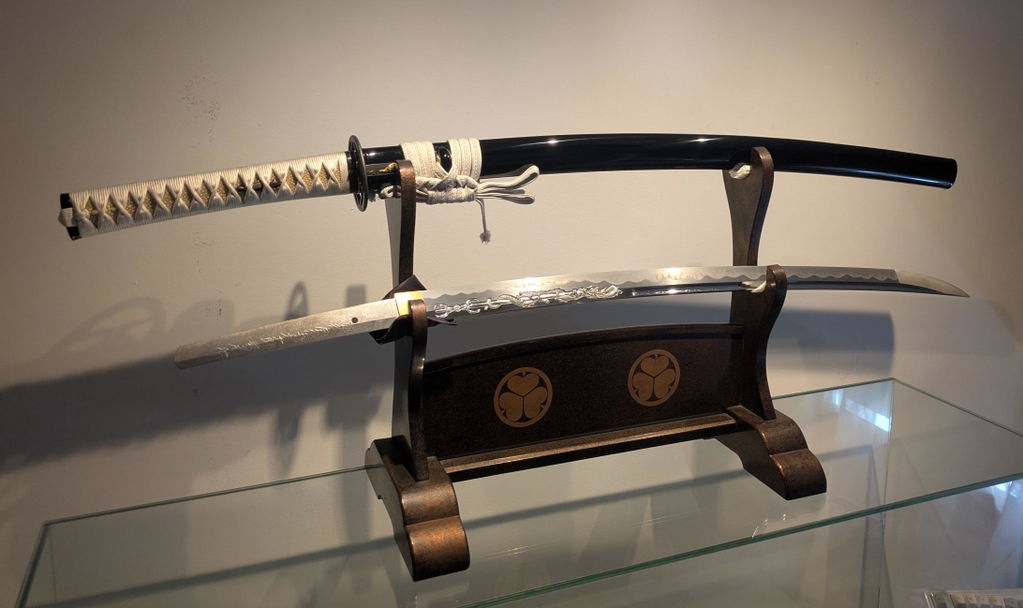
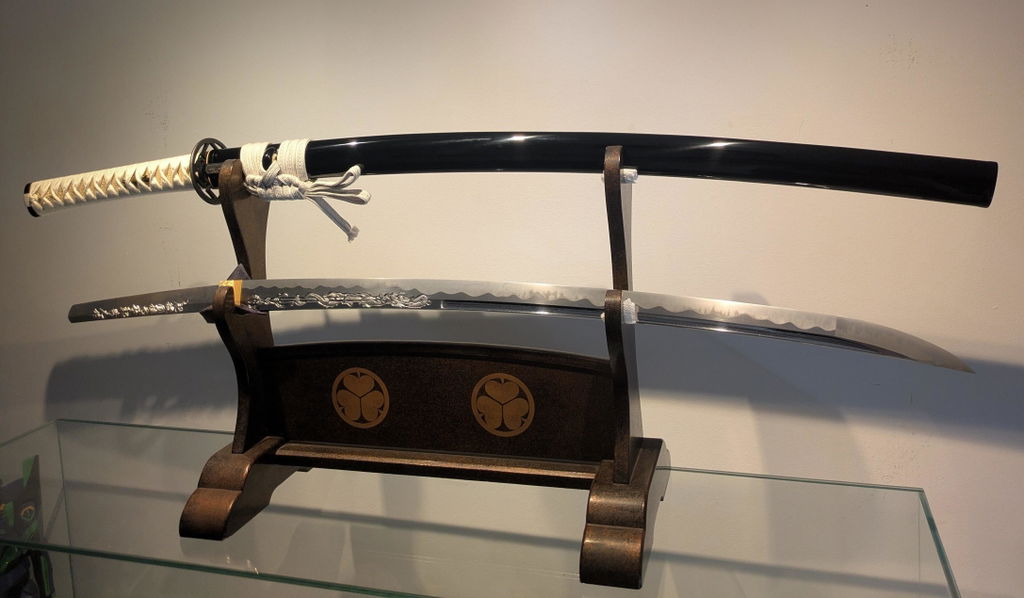
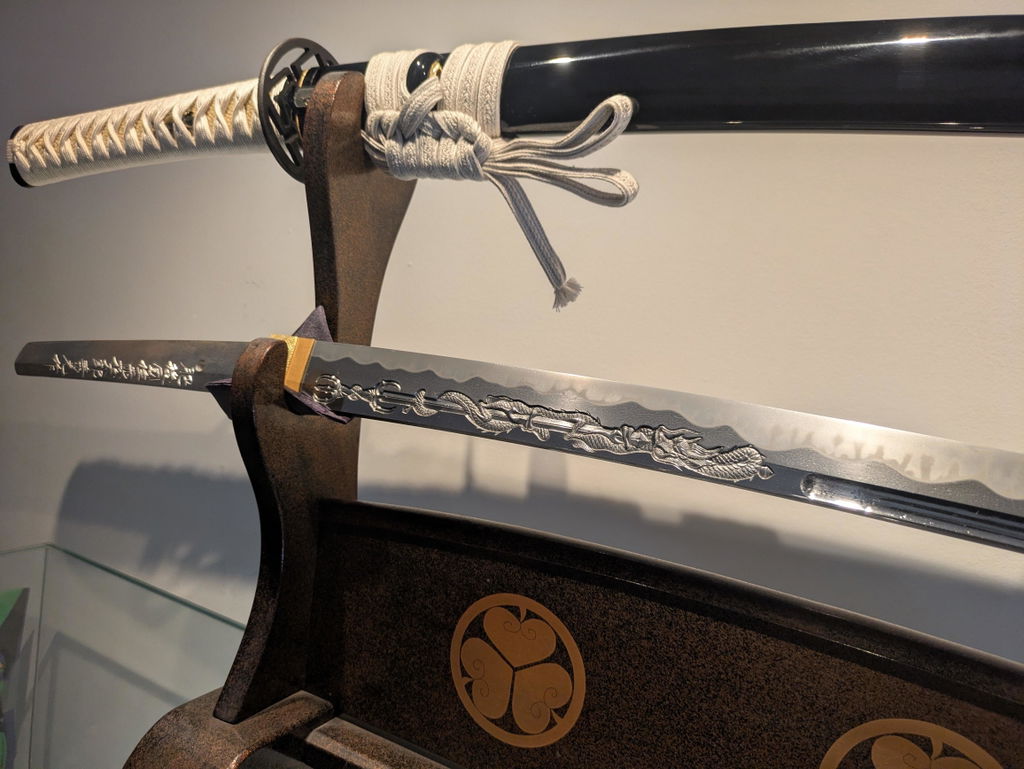
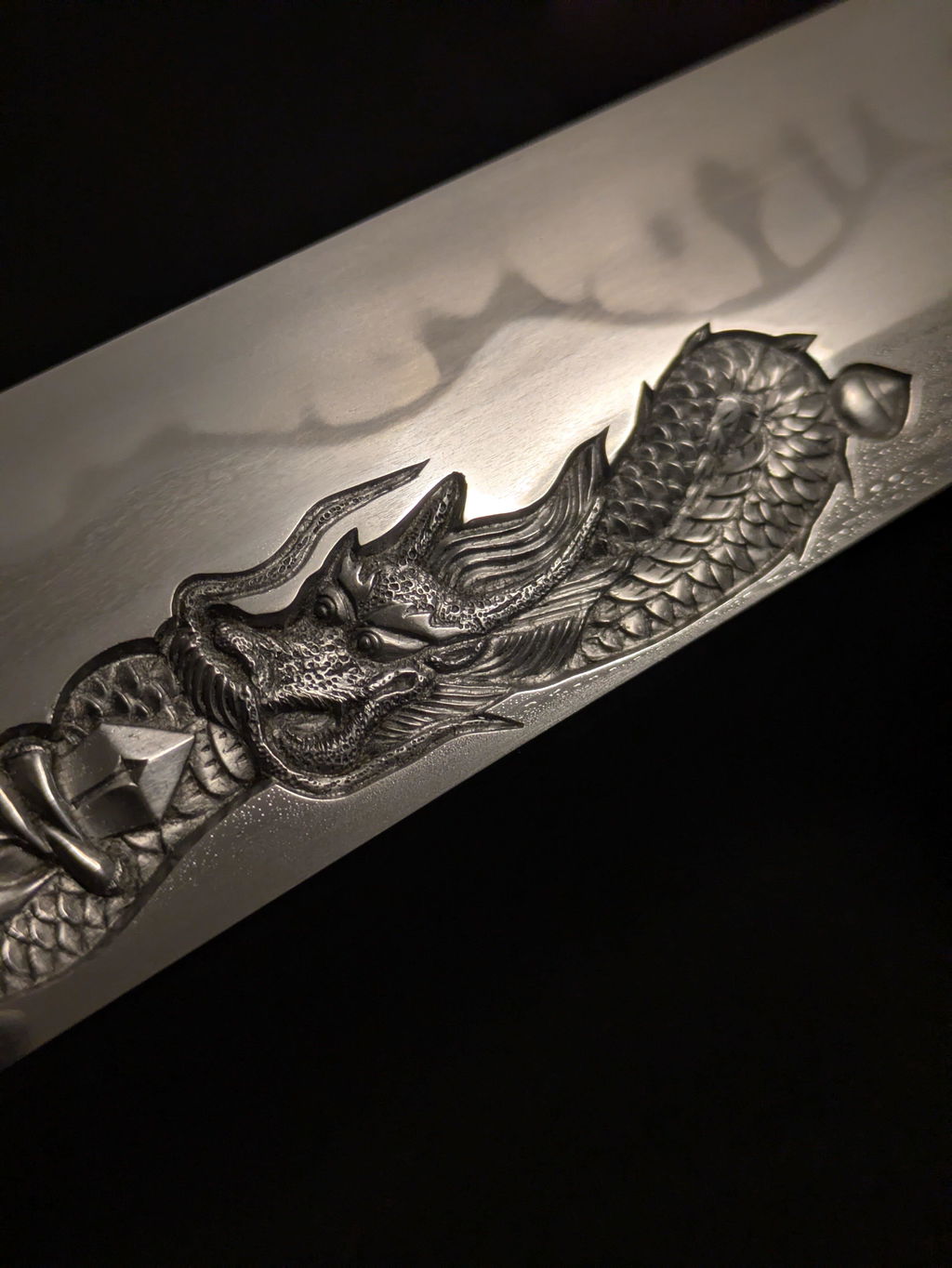
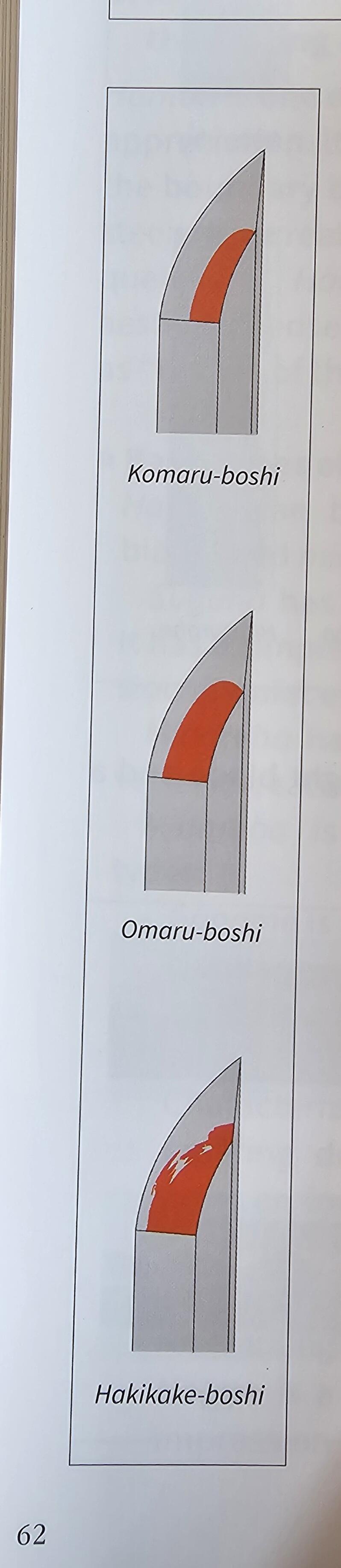
For a global collector, understanding the physical characteristics of a hand-forged masterpiece is essential for authentication:
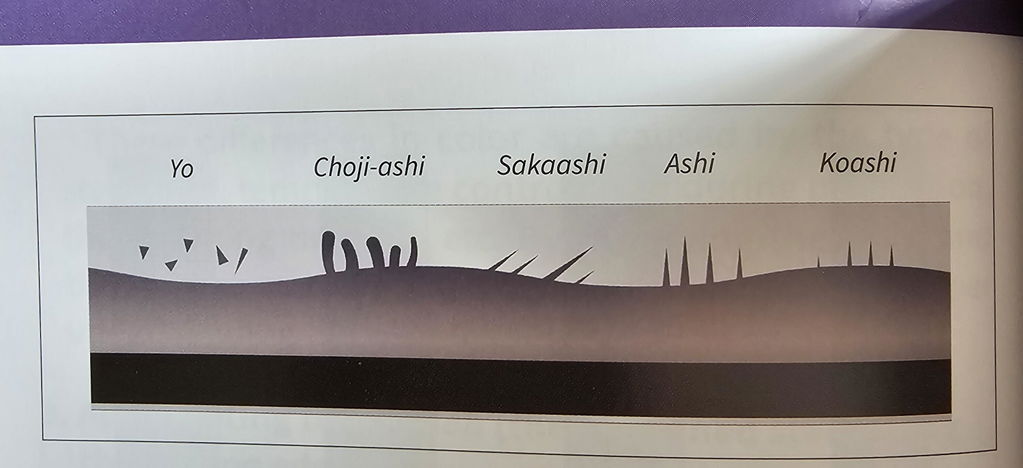
- Hamon (Temper Line): The distinctive, crystalline pattern along the edge created during the differential clay tempering process.
- Hada (Grain Pattern): The visible layers of the steel, resulting from the repeated folding of tamahagane.
- NBTHK/NTHK Certification: Authentic blades should always be accompanied by formal appraisal papers. As active promoters of art swords, we ensure all our pieces carry the necessary pedigree.
3. Preservation: Safeguarding Your Connection to History
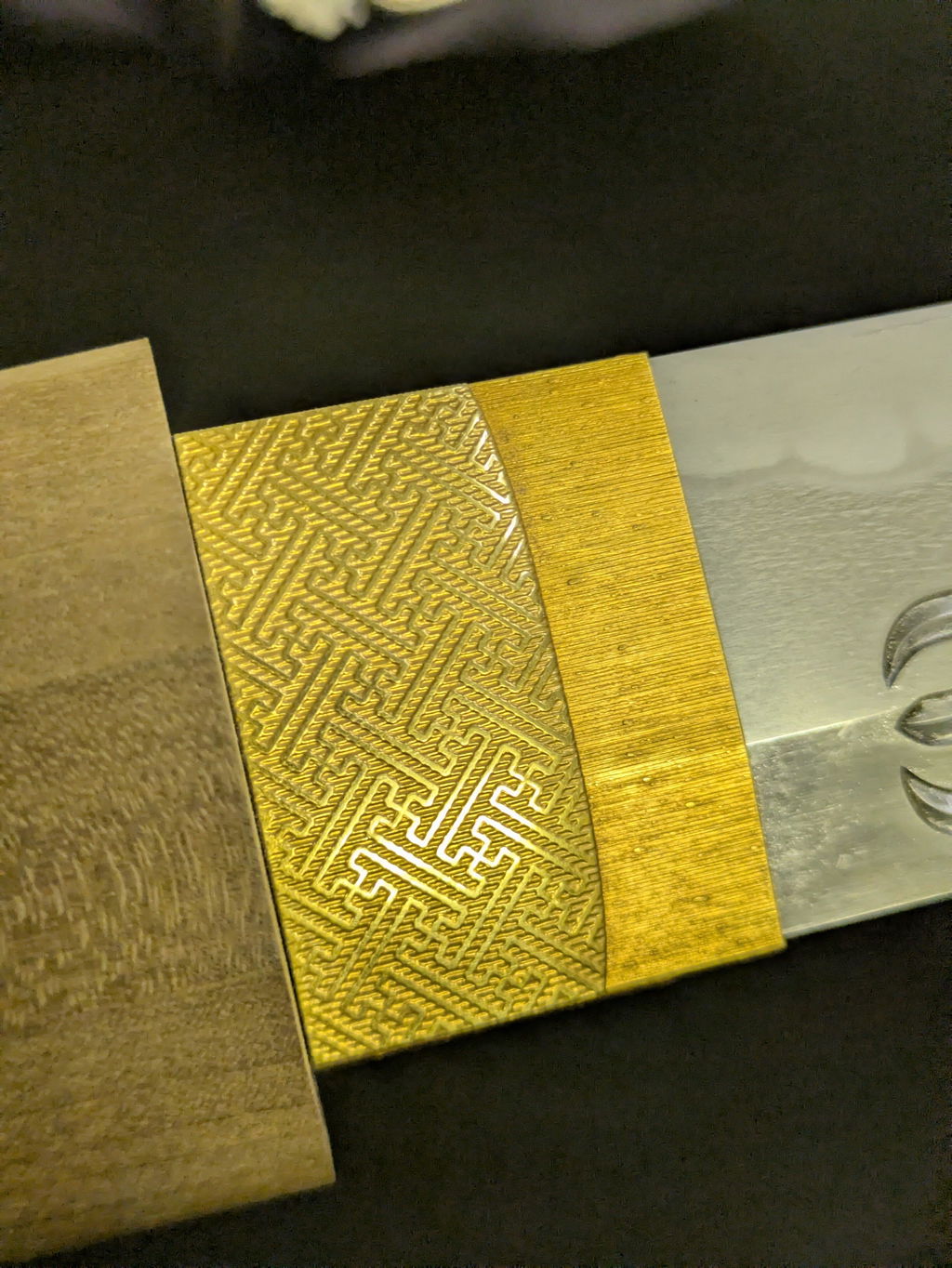
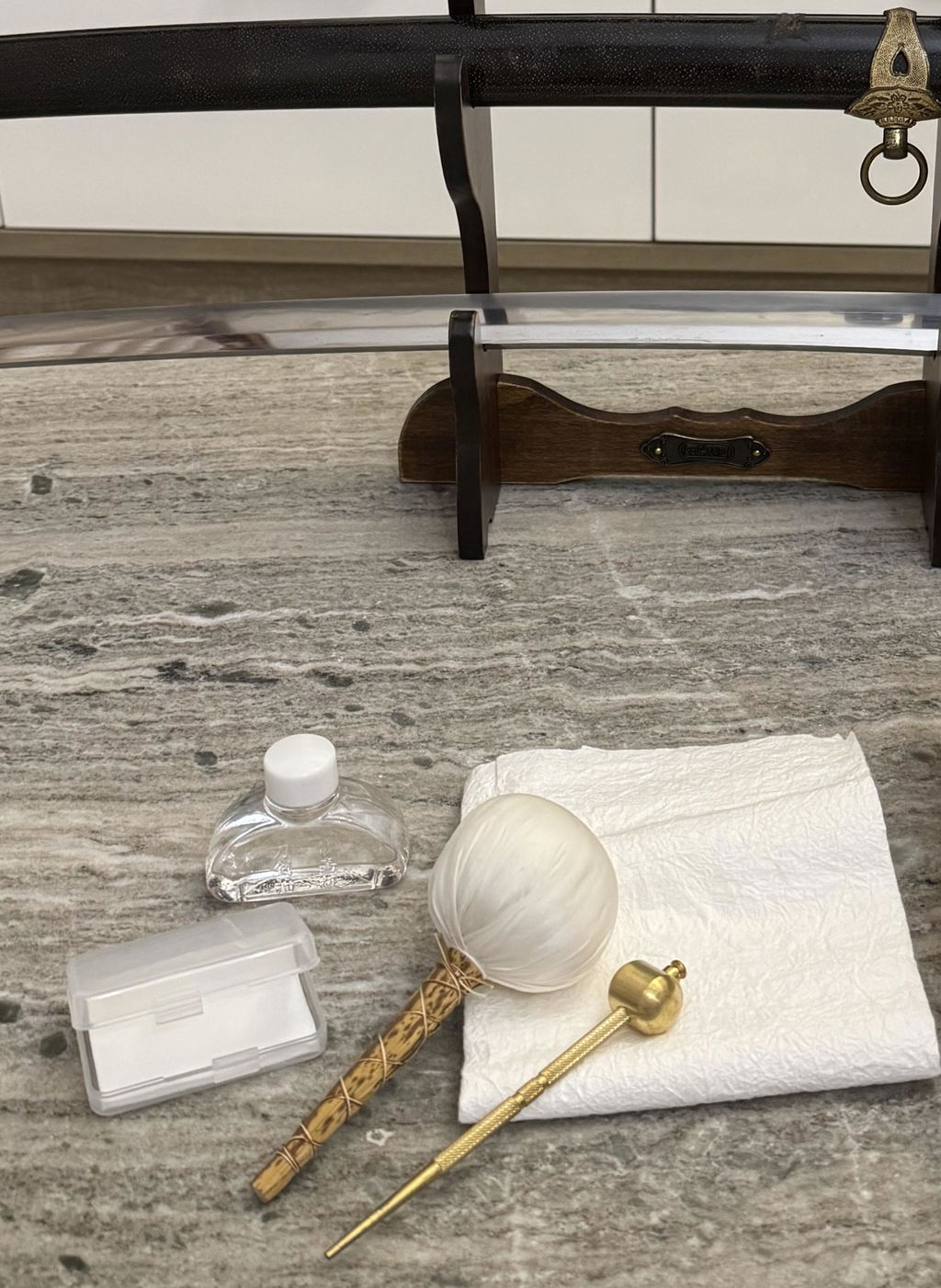
High-carbon steel requires meticulous care to prevent oxidation, especially when moved between different climates. Proper maintenance includes periodic oiling with traditional Choji (clove) oil and storage in a Shirasaya—a specialized wooden scabbard that regulates moisture and prevents rust.
4. Why Your Choice of Partner Matters
When you choose Tozando, you are engaging with a bridge to Japan’s living history. From the sacred smithing grounds of Bizen Osafune to the art galleries of New York and Paris, our reputation is your guarantee of authenticity, safety, and a lifelong commitment to the art of the Japanese sword.
Experience the Excellence of Kyoto and Bizen Craftsmanship
Join the thousands of martial artists and collectors worldwide who trust Tozando for authentic Nihonto and professional global logistics.
Explore the Tozando CollectionTrusted by the global Budo community since 1989. Managers of the Bizen Osafune Annex.