

Delve into the dramatic decline of Japanese sword making, understanding its historical and economic causes. This article reveals how dedicated modern swordsmiths are preserving this ancient art, securing Nihonto's enduring legacy for future generations despite contemporary challenges.
1. The Enduring Legacy of the Japanese Sword
1.1 A Brief History of Nihonto
| Period | Approximate Dates | Key Characteristics | Cultural Significance |
|---|---|---|---|
| Koto (Old Swords) | Pre-1596 | Diverse regional styles, often shorter and thicker blades. Strong focus on practical combat. | Emergence of distinct sword schools; integral to early samurai warfare. |
| Shinto (New Swords) | 1596-1780 | More uniform styles, often longer blades with a shallower curve. Emphasis shifts towards aesthetic beauty. | Coincides with the Edo period's relative peace; swords become status symbols and works of art. |
| Shinshinto (New-New Swords) | 1781-1876 | Revival of Koto styles and forging techniques. Reaction against the perceived decline of Shinto quality. | A period of renewed interest in traditional craftsmanship before the Meiji Restoration. |
| Gendaito (Modern Swords) | 1876-Present | Swords made by traditional methods after the ban on wearing swords. Focus on preserving the craft. | Continuation of traditional smithing against modern challenges; recognized as art objects. |
1.2 Cultural Significance Beyond Weaponry
2. Tracing the Dramatic Decline of Japanese Sword Making
2.1 The Impact of the Meiji Restoration and Haibutsu Kishaku
The venerable tradition of Japanese sword making faced its first profound crisis with the advent of the Meiji Restoration in 1868. This pivotal period marked the end of Japan's feudal Edo period and the samurai class, who had been the primary patrons and wielders of these masterworks for centuries. The imperial government sought to modernize Japan rapidly, and the samurai, along with their distinctive swords, were seen as symbols of an outdated era.
| Event/Decree | Year | Impact on Sword Making |
|---|---|---|
| Abolition of the Samurai Class | 1869 | Eliminated the primary consumer base for newly forged swords. Many samurai, now shizoku (former samurai), struggled to find new livelihoods. |
| Haitorei Edict (Sword Ban Edict) | 1876 | Prohibited the public wearing of swords by anyone other than military and police personnel. This decree effectively stripped the sword of its everyday utility and symbolic status in public life, leading to a dramatic drop in demand. |
| Haibutsu Kishaku (Anti-Buddhist Movement) | 1868-1874 | Although not directly targeting swords, this movement against Buddhism resulted in the destruction of countless temples and their associated artifacts, including many ceremonial swords and offerings, further diminishing the existing stock and cultural context. |
These transformative changes led to a massive surplus of swords and a near-total collapse of the market. Many master swordsmiths were forced to abandon their craft, turning to farming or making cutlery to survive. The once-thriving industry faced unprecedented challenges, pushing the art of nihonto forging to the brink of extinction.
2.2 Post World War II Regulations and Their Aftermath
Just as the craft began to see a slow resurgence in the early 20th century, a second, even more devastating blow arrived with the end of World War II. The Allied Occupation of Japan (1945-1952), led by the Supreme Commander for the Allied Powers (SCAP), viewed swords as symbols of Japanese militarism and aggressive nationalism.
- Disarmament and Confiscation: Immediately following the surrender, a widespread "sword hunt" was initiated. Thousands of swords were confiscated and destroyed, regardless of their historical or artistic value. This indiscriminate destruction led to an irreparable loss of cultural heritage.
- Ban on Production: The production of swords was initially completely banned, bringing the centuries-old tradition to a grinding halt. Only a handful of smiths were eventually granted special permission to continue forging, strictly for cultural preservation under rigorous supervision.
- Cultural Property Protection Law (1950): A critical turning point came with the enactment of this law. It recognized traditional Japanese swords (nihonto) as important cultural artifacts rather than mere weapons. This legal distinction allowed for the registration and preservation of existing art swords and laid the groundwork for a highly regulated revival of their production.
The post-war regulations left an indelible mark, creating a highly restrictive environment for both production and ownership. While it saved the art form from total annihilation, it ensured that sword making would remain a niche, heavily controlled craft, far removed from its former prominence.
2.3 Economic Pressures and Changing Tastes
Beyond political and regulatory impacts, the decline of Japanese sword making has also been shaped by significant economic pressures and evolving societal tastes. The high cost of traditional production is a major barrier. The process demands rare, specialized materials like tamahagane steel, extensive labor, and years of dedicated training, making each authentic nihonto an expensive, artisanal product.
In a rapidly modernizing Japan, the demand for such high-cost, non-utilitarian items has naturally dwindled among the general populace. Changing aesthetic preferences and a lack of public awareness about the intricate artistry involved have further contributed to a shrinking domestic market. While there is a dedicated collector base, it remains small compared to historical demand.
The craft also faces an aging population of master smiths and the challenge of attracting new apprentices. The rigorous, low-paying, and lengthy apprenticeship period, coupled with the uncertain economic future for a modern smith, makes it a difficult path for younger generations to pursue. This demographic shift threatens the continuity of the specialized knowledge and techniques essential for the survival of this endangered art form.
3. Modern Smiths Forging the Future of Japanese Swords
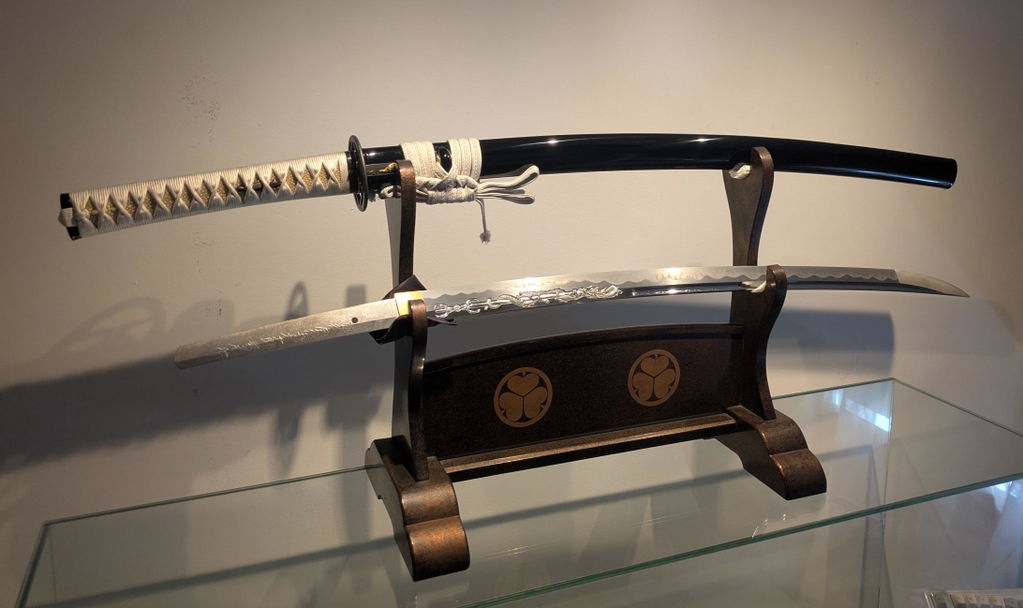
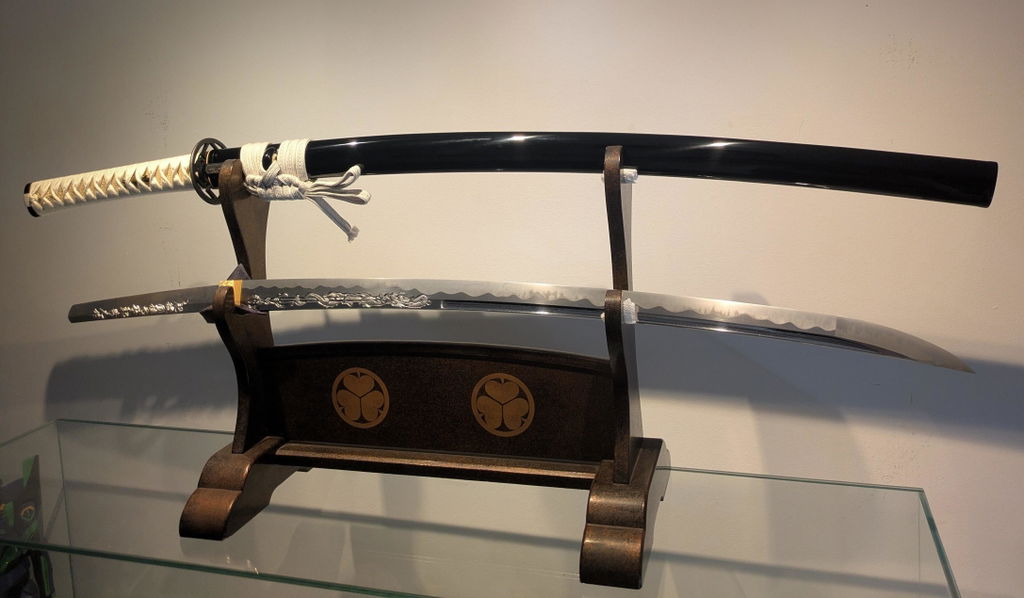
Despite the historical adversities and the significant decline in production, the art of Japanese sword making is far from extinct. A dedicated cadre of modern smiths is passionately committed to preserving and evolving this ancient craft. These artisans are not merely replicating historical blades; they are living repositories of traditional knowledge, fusing ancestral techniques with contemporary dedication to ensure the legacy of Nihonto endures.
3.1 Who Are Today's Master Swordsmiths
Today's master swordsmiths, known as Tōshō, are a select group operating under strict governmental regulations in Japan. They undergo decades of rigorous training and possess an unparalleled understanding of metallurgy, forging, and artistic expression. These smiths are often direct descendants of sword-making lineages or have dedicated their lives to apprenticing under established masters. They are not only skilled craftsmen but also scholars, deeply versed in the history and philosophy embedded within each blade.
Notable contemporary smiths, though few in number, continue to produce blades of exceptional quality and beauty. Many have achieved the prestigious Mukansa rank, signifying their mastery and exemption from competitive judging. Their work is characterized by meticulous attention to detail, adherence to traditional forms, and a profound respect for the spiritual essence of the sword. They are the torchbearers, ensuring that the intricate processes and aesthetic standards of classic Japanese swords are not lost to time.
3.2 The Revival of Traditional Techniques and Tamahagane
At the heart of the modern revival lies an unwavering commitment to traditional techniques, particularly the use of tamahagane steel. This unique high-carbon steel, produced in a traditional clay furnace called a tatara, is fundamental to achieving the distinctive characteristics of a Japanese sword. Modern smiths meticulously source or even participate in the production of tamahagane, recognizing that the soul of the sword begins with its raw material.
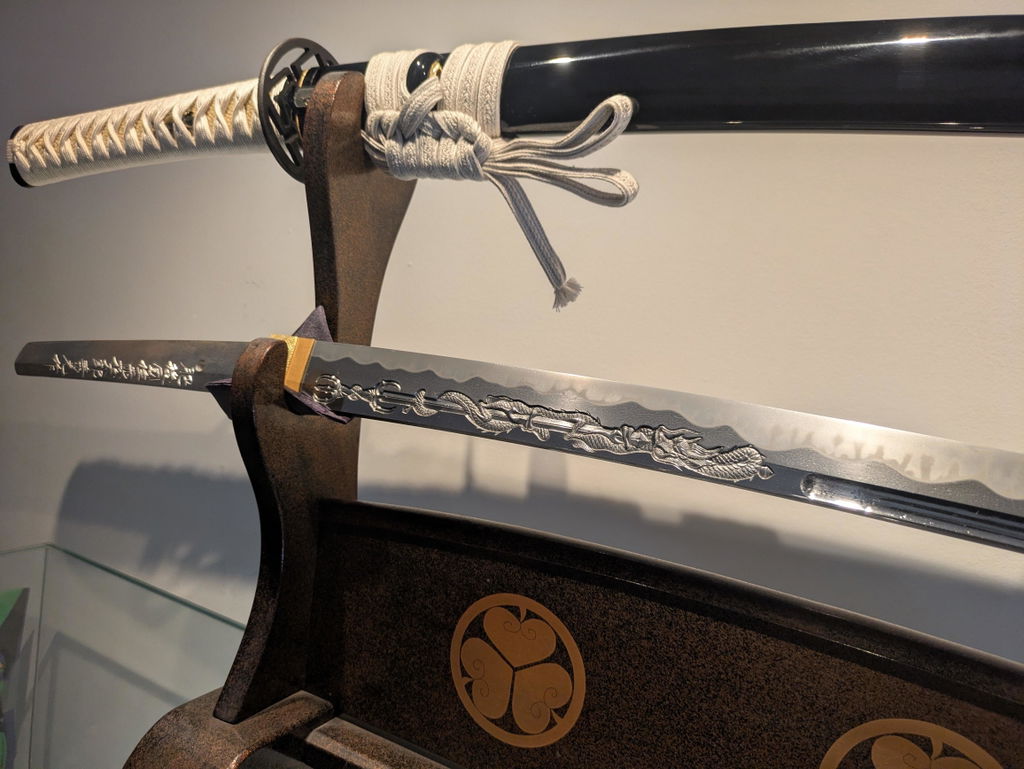
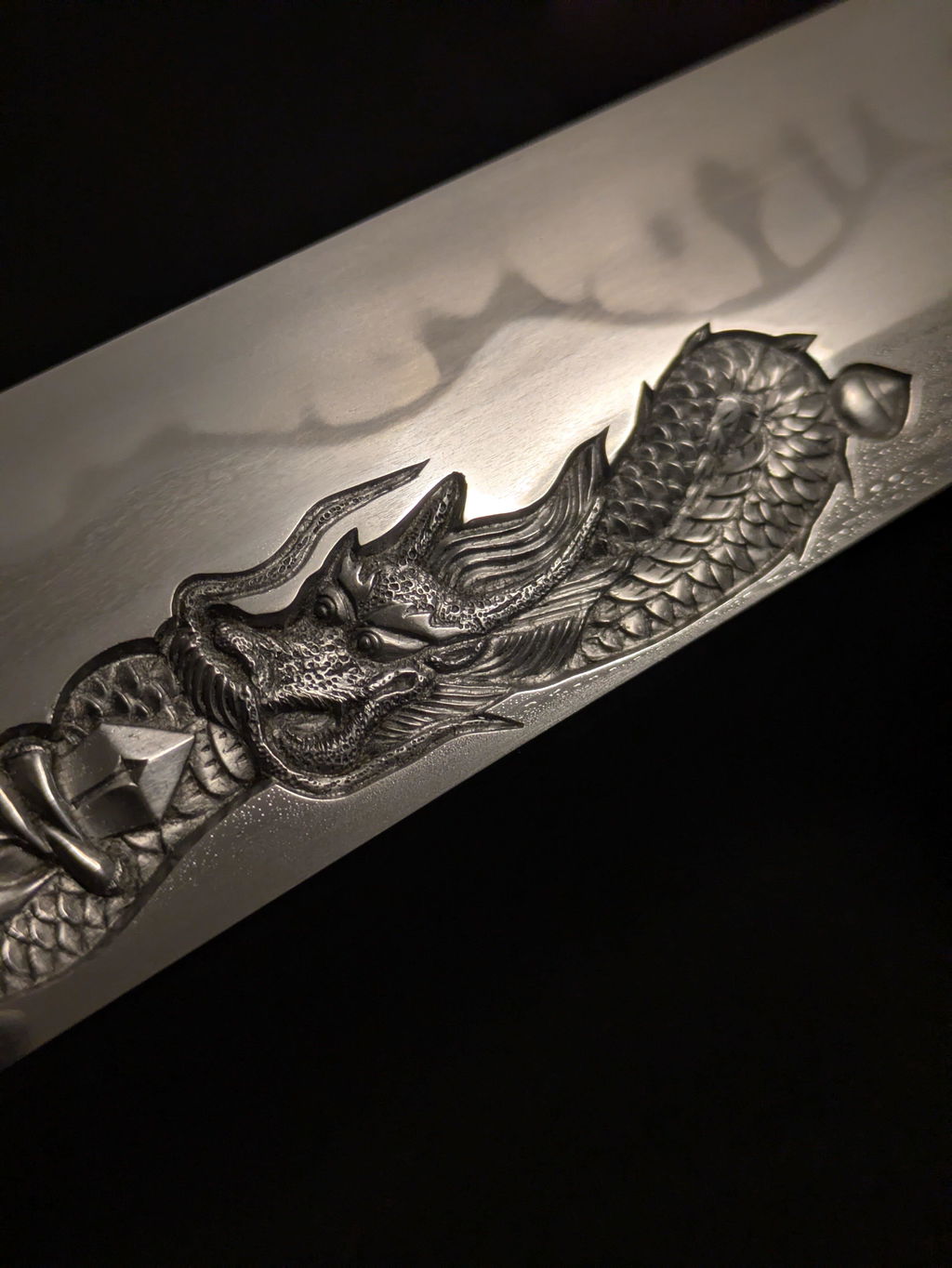
The forging process itself is an arduous and time-consuming endeavor. Smiths repeatedly fold and hammer the tamahagane, removing impurities and creating thousands of layers that result in the blade's unique grain pattern, or jihada. This is followed by differential hardening, where a clay mixture is applied to the blade before quenching. This critical step creates the iconic hamon, the temper line that defines the cutting edge and showcases the smith's artistic skill. Every step, from charcoal selection to polishing, is performed with precision, reflecting centuries of accumulated knowledge and innovation.
3.3 Apprenticeship and Passing Down the Craft
The survival of Japanese sword making hinges on the continuity of knowledge, which is primarily facilitated through a demanding apprenticeship system. Aspiring swordsmiths typically spend a minimum of five years, often much longer, studying under a licensed master. This period is not just about learning technical skills; it's a holistic immersion into the lifestyle, philosophy, and dedication required to be a Tōshō.
Apprentices begin with menial tasks, gradually progressing to more complex aspects of forging, tempering, and finishing. They learn not only the physical techniques but also the spiritual discipline and patience essential for the craft. This direct, hands-on transmission of knowledge ensures that the nuanced details and subtle artistry of sword making are passed down accurately from generation to generation. Despite the challenges of attracting new apprentices in a modern economy, the dedication of both masters and students remains the bedrock of this art form's future.
| Aspect of Apprenticeship | Description |
|---|---|
| Duration | Typically 5+ years under a licensed master, often extending much longer for full mastery. |
| Curriculum | Starts with basic tasks (e.g., charcoal preparation, furnace maintenance) and progresses to forging, tempering, and finishing techniques. |
| Licensing | Requires passing rigorous examinations by the Japanese government's Agency for Cultural Affairs after apprenticeship. |
| Philosophy | Emphasis on patience, discipline, respect for materials, and understanding the spiritual significance of the sword. |
| Challenges | Economic viability, long hours, and the difficulty of attracting new talent in modern society. |
4. Challenges and Innovations for Contemporary Japanese Sword Smiths
4.1 Navigating Strict Regulations
The creation of a Japanese sword, or Nihonto, is not merely an artistic endeavor but one deeply intertwined with stringent governmental oversight. In Japan, the possession and creation of swords are regulated under the Firearms and Swords Control Law, with the Agency for Cultural Affairs (Bunka-cho) playing a pivotal role. Every sword produced must be registered and issued a Tōken Registration Card, verifying its authenticity and legal status as an art object rather than a weapon.
For modern swordsmiths, these regulations present both a safeguard for the art form and significant hurdles. Only a limited number of individuals are officially licensed to forge swords, and each licensed smith is typically restricted to producing a maximum of two swords per month, totaling 24 per year. This quota, while ensuring quality and preventing mass production, places immense pressure on smiths to make each piece count, both artistically and economically. The sourcing of traditional steel, tamahagane, is also tightly controlled, often coming from a single official source, the Nitto Hōchō Tetsukōsho, which maintains the purity and historical integrity of the material.
Navigating these regulatory frameworks requires not only mastery of the craft but also meticulous record-keeping and a deep understanding of legal compliance. The following table outlines some key regulatory aspects and their implications for contemporary smiths:
| Regulatory Aspect | Description | Challenge for Smiths |
|---|---|---|
| Licensing & Quotas | Strict licensing by the Bunka-cho; limits annual production (e.g., 24 swords/year). | Limits output, makes craft exclusive, intense competition for licenses, impacts income potential. |
| Material Sourcing | Control over tamahagane production and distribution, often from a single designated foundry. | Reliance on specific, limited sources; maintaining quality and consistency, potential supply chain issues. |
| Export/Import Laws | Complex international regulations for ownership and transfer of Nihonto across borders. | Navigating customs, legal hurdles, educating international buyers on proper procedures and legality. |
| Conservation Laws | Adherence to historical preservation standards and traditional methods to maintain cultural heritage. | Balancing modern efficiency with time-honored, labor-intensive practices; resistance to purely aesthetic innovations. |
4.2 The Global Market and International Appreciation
Despite the inherent challenges, the Japanese sword enjoys a burgeoning global market and widespread international appreciation. Collectors, martial artists, and art enthusiasts from around the world are increasingly drawn to the unparalleled craftsmanship and historical depth of Nihonto. This global interest provides a vital economic lifeline for modern smiths, offering new avenues for sales and recognition beyond Japan's domestic market.
The internet and specialized international exhibitions have played a crucial role in connecting smiths with this global audience. Online platforms allow smiths to showcase their work, share their processes, and engage directly with potential buyers. However, this global reach also introduces complexities, particularly concerning authentication and the prevention of counterfeits. Educating international buyers about the nuances of genuine Nihonto, proper care, and the legalities of ownership and import/export is paramount.
The international community's recognition also extends to the cultural significance of the sword, fostering a deeper understanding and respect for Japanese heritage. This appreciation can translate into commissions for custom pieces, patronage for aspiring smiths, and support for initiatives aimed at preserving the craft. The challenge lies in balancing cultural sensitivity with commercial opportunity, ensuring that the art form is respected and not commodified in a way that diminishes its profound historical and artistic value.
4.3 Adapting to a Modern Audience
For contemporary Japanese swordsmiths, survival and relevance depend not only on technical mastery but also on their ability to connect with a modern audience. This involves a delicate dance between upholding centuries-old traditions and subtly innovating to capture new interest. The rise of popular culture, including anime, video games, and historical dramas featuring samurai and their swords, has ignited curiosity among younger generations, both within Japan and globally. Smiths are increasingly leveraging these cultural touchpoints to introduce the artistry of Nihonto.
Many smiths are now active on social media platforms, sharing behind-the-scenes glimpses of their arduous work, explaining intricate techniques, and telling the stories behind their creations. This digital engagement helps demystify the craft and build a personal connection with potential patrons. While the core techniques remain unchanged, some smiths explore subtle aesthetic variations or contemporary applications that resonate with modern tastes, always within the bounds of tradition and regulation.
Furthermore, the focus is shifting towards storytelling and emphasizing the sword as a piece of living history and art. Workshops, demonstrations, and collaborations with museums and educational institutions help bridge the gap between ancient craft and modern understanding. By adapting their outreach and communication strategies, contemporary smiths are not just forging steel; they are forging new connections, ensuring that the dramatic decline of past eras gives way to a future where the Japanese sword continues to captivate and inspire.
5. Preserving an Endangered Art Form
5.1 Government Support and Cultural Heritage Designation
The survival of traditional Japanese sword making, or Nihonto, hinges significantly on the proactive support and recognition from the Japanese government. Recognizing its profound historical and artistic value, the art of sword forging has been designated as a critical component of Japan's cultural heritage. The Agency for Cultural Affairs (文化庁 - Bunkachō) plays a pivotal role in this preservation, overseeing the designation of significant swords and the skills of master smiths.
Through various classifications, the government provides protection, funding, and prestige to both existing swords and the artisans who create them. These designations not only safeguard physical artifacts but also ensure the continuity of the intricate techniques passed down through generations.
| Designation Category | Description | Impact on Sword Preservation |
|---|---|---|
| National Treasure (国宝 - Kokuhō) | Highest designation for tangible cultural properties deemed of extraordinary historical and artistic merit. | Ensures strict legal protection, public funding for conservation, and elevates the status of the artifact. |
| Important Cultural Property (重要文化財 - Jūyō Bunkazai) | Significant tangible cultural properties that are of high historical or artistic value. | Provides legal protection and financial support for maintenance and research, though slightly less stringent than National Treasure. |
| Important Intangible Cultural Property (重要無形文化財 - Jūyō Mukei Bunkazai) | Recognizes individuals or groups who embody and preserve traditional arts and crafts. Often referred to as "Living National Treasures." | Supports master swordsmiths directly, providing resources and recognition to ensure the transmission of their unique skills and knowledge to apprentices. |
These systems are instrumental in providing a structured framework for the long-term sustainability of the craft, offering both financial aid and a clear lineage for the transmission of traditional techniques and the use of materials like tamahagane.
5.2 Museums and Educational Initiatives
Beyond government designations, museums and educational programs serve as vital custodians and promoters of Japanese sword culture. Institutions such as the Japanese Sword Museum (刀剣博物館 - Tōken Hakubutsukan) in Tokyo, operated by the Society for the Preservation of Japanese Art Swords (NBTHK), are central to showcasing exquisite Nihonto, conducting research, and educating the public. These venues host exhibitions that highlight the historical evolution, artistic beauty, and technical mastery embedded in each blade, fostering a deeper appreciation among domestic and international audiences.
Educational initiatives extend to hands-on workshops, lectures, and publications, demystifying the complex processes of forging, polishing, and mounting. These efforts are crucial for inspiring new generations of enthusiasts and potential apprentices, ensuring that the specialized knowledge required for this art form does not fade away. Furthermore, global appreciation, fueled by exhibitions in major international museums and a growing online presence, contributes significantly to the economic viability and cultural recognition of modern smiths.
In conclusion, the Japanese sword, once facing a dramatic decline due to historical upheavals like the Meiji Restoration's Haibutsu Kishaku and post-World War II regulations, has found a new lifeline. The unwavering dedication of modern smiths, who meticulously revive ancient techniques and mentor new talent, combined with robust government support and the educational outreach of museums, is actively forging its future. Despite ongoing challenges such as strict regulations and economic pressures, these concerted efforts ensure that this endangered art form, a symbol of Japan's profound cultural legacy, continues to thrive, adapting to a modern world while honoring its timeless traditions. The journey from weapon to revered art object underscores its enduring appeal and the collective will to preserve a craft of unparalleled beauty and historical significance.
6. Conclusion
The journey of the Japanese sword, or Nihonto, is a profound narrative of artistic mastery, cultural significance, and enduring resilience. From its origins as a symbol of the samurai spirit and unparalleled craftsmanship, the art of sword making has faced existential threats that pushed it to the brink of oblivion. The dramatic decline was not a singular event but a confluence of historical upheavals, including the socio-political seismic shifts of the Meiji Restoration and its anti-Buddhist movements (Haibutsu Kishaku), followed by the stringent regulations imposed post-World War II.
Yet, against this backdrop of historical adversity and economic pressures, a dedicated cohort of modern swordsmiths, or Tōshō, emerged as the guardians of this ancient craft. These artisans, often working in quiet solitude, have committed their lives to mastering techniques passed down through centuries, ensuring that the intricate processes of forging high-carbon tamahagane steel and creating the distinctive hamon are not lost to time. Their efforts extend beyond mere replication; they embody a profound respect for tradition while subtly navigating the demands of a contemporary world.
The challenges these smiths face are considerable, from adhering to strict government regulations like the Firearms and Swords Control Law to attracting new apprentices to a demanding and often solitary profession. However, their dedication has sparked a global resurgence of interest, transforming the Japanese sword from a relic of war into a celebrated work of art and an object of deep cultural appreciation. Museums worldwide showcase their masterpieces, and international collectors seek out the unique beauty and historical depth of a genuine Katana or Tachi.
The table below summarizes the critical phases and responses in the modern history of Japanese sword making:
| Aspect | Period of Decline (19th - 20th Century) | Modern Revival Efforts (Late 20th Century - Present) |
|---|---|---|
| Historical Impact | Meiji Restoration's samurai ban and Haibutsu Kishaku; strict post-WWII regulations (e.g., GHQ directives). | Cultural Properties Protection Law; designation of master smiths as Living National Treasures (Ningen Kokuhō). |
| Craftsmanship & Materials | Loss of traditional knowledge and skilled artisans; decline in demand for traditional tamahagane. | Revival of traditional tatara iron making for tamahagane; rigorous apprenticeship systems under master Tōshō. |
| Market & Audience | Economic pressures, changing tastes, and limited domestic market for functional swords. | Growth of international appreciation and collector base; adaptation to a global audience for artistic and historical value. |
| Preservation | Risk of extinction for traditional techniques and associated arts (e.g., polishing, scabbard making). | Government support, museum exhibitions (e.g., The Japanese Sword Museum), educational initiatives to pass on the craft. |
Ultimately, the story of the Japanese sword is a testament to the enduring power of cultural heritage and the unwavering spirit of those dedicated to its preservation. Through the tireless work of modern smiths, supported by governmental recognition and growing global appreciation, the Nihonto continues to evolve, not merely as a historical artifact, but as a vibrant, living art form, ensuring its legacy for generations to come. It is a powerful reminder that even the most ancient traditions can find new life and relevance in the modern world.

Want to buy authentic Samurai swords directly from Japan? Then TOZANDO is your best partner!
Related Articles


Leave a comment: