

Dreaming of forging traditional Japanese swords? This guide demystifies the rigorous path for non-Japanese aspiring swordsmiths. Understand the unique challenges, from finding a Master to navigating visas and cultural immersion, offering a realistic roadmap to certification in Japan.
1. The Ancient Craft A Global Dream
1.1 The Enduring Allure of Japanese Swordsmithing
The art of Japanese swordsmithing, known as Katana Kaji, represents one of the world's most revered and intricate traditional crafts. For centuries, the creation of a Nihonto, or Japanese sword, has been far more than mere metalwork; it is a profound cultural practice imbued with spiritual significance, historical narrative, and unparalleled technical mastery. From the legendary samurai warriors who wielded them to modern collectors and martial artists, the beauty, strength, and precision of a hand-forged Katana captivate enthusiasts globally.
This ancient craft, characterized by its meticulous processes like differential hardening (creating the distinctive hamon) and precise blade geometry, demands decades of dedication and an unwavering commitment to perfection. The global fascination with Japanese culture, martial arts, and the iconic Katana has inspired countless individuals worldwide to dream of mastering this formidable skill. However, for those outside of Japan, especially non-Japanese aspiring swordsmiths, this dream comes with a unique set of formidable obstacles.
1.2 Why Aspiring Non-Japanese Swordsmiths Face Unique Challenges
While the passion for forging a Japanese sword transcends borders, the path to becoming a certified swordsmith within Japan is largely insular and deeply rooted in tradition. Non-Japanese individuals encounter significant hurdles that their Japanese counterparts might not, making the journey an extraordinary test of perseverance and adaptability. These challenges extend beyond the technical aspects of forging and delve into cultural, linguistic, and systemic complexities.
The traditional apprenticeship model, known as uchi-deshi, requires an almost total immersion into the master's life and workshop, demanding not just skill but also a profound understanding of Japanese etiquette and societal norms. For a non-native, navigating these unwritten rules and expectations can be as challenging as mastering the forge itself. Furthermore, the official certification process in Japan is stringent and specifically designed for those who have undergone this traditional, often lifelong, training within the country.
Below is a summary of the primary unique challenges faced by non-Japanese individuals aspiring to become swordsmiths in Japan:
| Challenge Category | Specific Hurdles for Non-Japanese Apprentices |
|---|---|
| Cultural Immersion | Navigating complex social hierarchies, unspoken rules (omiyari), and deep-seated traditions within a master's workshop and daily Japanese life. |
| Language Proficiency | Achieving a high level of Japanese language skill (Nihongo) is essential for understanding nuanced instructions, technical terminology, daily communication, and cultural integration. |
| Apprenticeship Access | The closed, often family-centric, and highly selective nature of traditional Japanese artisan training makes finding a master (sensei) willing to take a foreign apprentice exceptionally difficult. |
| Visa & Legal Hurdles | Securing appropriate long-term visas for non-academic, traditional craft training is complex and often requires special sponsorship or creative solutions. |
| Financial Sustainability | The high cost of living in Japan combined with typically unpaid or minimally paid apprenticeships presents a significant financial burden that must be planned for years in advance. |
| Lack of Pre-Existing Networks | Unlike Japanese aspirants who might have family connections or local knowledge, foreigners often start with no established network within the insular world of traditional crafts. |
2. Preparing for Your Journey to Become a Swordsmith
Embarking on the path to becoming a swordsmith in Japan as a non-Japanese individual is a monumental undertaking. It demands not only immense dedication to the craft but also meticulous preparation across various crucial areas. This foundational planning will significantly influence your success and ability to integrate into a demanding, traditional apprenticeship.
2.1 Essential Skills and Knowledge Before You Go
While you don't need to be an expert before you arrive, cultivating certain skills and knowledge beforehand will demonstrate your commitment and provide a solid foundation for your apprenticeship. A master swordsmith (sensei) will be looking for potential and a strong work ethic, not necessarily a fully formed artisan.
- Manual Dexterity and Physical Stamina: Swordsmithing is an incredibly physically demanding profession. You'll spend countless hours hammering, grinding, and polishing. Developing your physical endurance, hand-eye coordination, and fine motor skills through hobbies like blacksmithing, woodworking, or even intricate crafts will be highly beneficial.
- Basic Metalworking or Blacksmithing Experience: While not strictly mandatory, having prior experience with a forge, anvil, and hammer will give you a significant advantage. Understanding basic principles of heat treatment, forging, and shaping metal will allow you to grasp complex techniques more quickly. This demonstrates a genuine interest in the material and process.
- Artistic Aptitude and Attention to Detail: The creation of a *Nihonto* (Japanese sword) is as much an art as it is a science. An appreciation for aesthetics, balance, and precision is crucial. Your ability to notice subtle details and strive for perfection will be a valuable asset.
- Patience and Discipline: The journey to becoming a certified swordsmith spans many years. It requires immense patience, resilience, and unwavering discipline. These are character traits that cannot be taught overnight but are essential for enduring the rigorous training.
- Japanese Language Basics: This is perhaps one of the most critical preparatory steps. While some *sensei* may have limited English, the vast majority of instruction, daily communication, and cultural immersion will be in Japanese. Aim for at least conversational proficiency (JLPT N4 or N3 equivalent) before you arrive. This will help you understand instructions, engage with your master and community, and show respect for the culture.
- Cultural Awareness and Etiquette: Japan has a rich and unique culture with specific social norms and etiquette. Researching and understanding these, especially concerning master-apprentice relationships, respect for elders, and daily customs, will prevent misunderstandings and facilitate smoother integration.
2.2 Financial Planning and Living Expenses in Japan
One of the most significant hurdles for non-Japanese aspiring swordsmiths is financial stability. Swordsmith apprenticeships are traditionally unpaid, and you will be responsible for all your living expenses for the entire duration of your training, which can last 5-10 years.
2.2.1 Estimated Monthly Living Costs in Japan (Excluding Tuition/Apprenticeship Fees)
The cost of living can vary significantly depending on whether you are in a major city like Tokyo or a more rural area where many swordsmiths reside. Rural areas are generally more affordable.
| Category | Estimated Monthly Cost (JPY) | Notes |
|---|---|---|
| Rent/Accommodation | ¥30,000 - ¥80,000+ | Varies greatly by location (rural vs. urban) and size. Often includes utilities in some shared housing. |
| Food | ¥20,000 - ¥40,000 | Cooking at home is much cheaper than eating out. |
| Utilities (Electricity, Gas, Water) | ¥8,000 - ¥15,000 | Can fluctuate with seasonal usage. |
| Transportation | ¥5,000 - ¥15,000 | Depends on proximity to the forge and public transport usage. Bicycles are common in rural areas. |
| Health Insurance | ¥2,000 - ¥5,000 | Mandatory National Health Insurance for residents. |
| Communication (Phone/Internet) | ¥5,000 - ¥10,000 | Mobile phone plans and home internet. |
| Miscellaneous (Personal care, leisure, emergencies) | ¥10,000 - ¥30,000+ | Includes unforeseen expenses. |
| Total Estimated Monthly Cost | ¥80,000 - ¥195,000+ | Roughly equivalent to $550 - $1,350 USD (as of early 2024, subject to exchange rate). |
Based on these estimates, you should plan to have significant savings to cover at least 3-5 years of living expenses before you even consider starting. This could easily amount to $50,000 - $100,000 USD or more. Part-time work is often not feasible due to the demanding schedule of an apprenticeship and visa restrictions.
2.3 Visa and Immigration Considerations for Foreigners
Securing the correct visa is a critical step for any long-term stay in Japan, especially for an unpaid apprenticeship. The most suitable visa category for this purpose is typically the "Cultural Activities" Visa (文化活動ビザ).
- Cultural Activities Visa: This visa is designed for individuals engaging in non-remunerated cultural or artistic activities in Japan. An apprenticeship under a master swordsmith, preserving a traditional Japanese craft, fits this description.
- Sponsorship: You will almost certainly require a sponsor in Japan. This sponsor will typically be your *sensei* or the institution facilitating your apprenticeship. They will need to provide documentation to the Immigration Bureau of Japan confirming your apprenticeship arrangement.
- Application Process: The application involves submitting various documents, including your passport, visa application form, a letter of acceptance/sponsorship from your *sensei*, a detailed activity plan, and proof of sufficient financial means to support yourself during your stay.
- Duration and Renewal: Cultural Activities Visas are usually granted for periods of 6 months or 1 year and can be renewed. You must strictly adhere to the terms of your visa, particularly regarding employment.
- Consultation: Given the complexities of Japanese immigration law, it is highly advisable to consult with an immigration lawyer or specialist familiar with cultural activities visas for apprenticeships. They can provide accurate, up-to-date information and guide you through the application process.
Thorough preparation in these areas will not only ease your transition but also demonstrate your seriousness and respect for the tradition you aim to uphold, making you a more attractive candidate for a master swordsmith.
3. Life as a Swordsmith Apprentice
3.1 Daily Discipline and Dedication to the Craft
The life of a swordsmith apprentice, particularly for a non-Japanese individual, is defined by an unwavering commitment to discipline and an intense dedication to the craft. Far from a typical 9-to-5 job, apprenticeships often begin before dawn and extend well into the evening, sometimes seven days a week. Your days will be physically demanding and mentally challenging, requiring immense patience and resilience.
Initially, much of your time will be spent on what might seem like menial tasks: cleaning the forge, preparing charcoal, maintaining tools, and observing your master, or sensei. These foundational activities are crucial for understanding the rhythm of the forge and the meticulous standards expected. Every action, no matter how small, contributes to the overall quality of the blade and is considered part of your learning. You will learn to anticipate needs, understand unspoken cues, and develop a deep respect for the materials and processes involved.
This period of rigorous preparation and observation is not just about physical labor; it's about cultivating a profound sense of humility and a keen eye for detail. You will spend countless hours watching the master at work, internalizing their movements, and understanding the subtle nuances of temperature, sound, and material response. This immersive experience is designed to forge not just steel, but also your character and resolve, preparing you for the intricate challenges of sword-making.
3.2 The Stages of Swordsmith Training
Becoming a certified swordsmith in Japan is a journey spanning many years, typically five to ten, structured into progressive stages. Each stage builds upon the last, gradually introducing more complex techniques and responsibilities. While the exact curriculum may vary slightly between masters, the general progression is well-established.
Here’s a typical breakdown of the training stages:
| Stage | Focus Areas | Typical Duration |
|---|---|---|
| Foundation & Observation |
|
1-2 years |
| Basic Forging & Preparation |
|
2-3 years |
| Advanced Blade Shaping & Heat Treatment |
|
3-5 years |
| Refinement & Independent Work |
|
1-2 years |
Each stage requires relentless practice and a willingness to repeat tasks until perfection is achieved. The journey is less about speed and more about precision, patience, and profound respect for the traditional methods that have been passed down through generations.
3.3 Safety and Studio Etiquette
Working in a swordsmith's forge involves inherent dangers, making stringent safety protocols and respectful studio etiquette paramount. The environment includes intense heat from the forge, heavy tools, flying sparks, and sharp metal, all of which demand constant vigilance.
3.3.1 Safety Protocols:
- Personal Protective Equipment (PPE): Always wear appropriate gear, including safety glasses, heavy-duty gloves, protective clothing (often fire-resistant), and sturdy footwear.
- Tool Handling: Learn the correct and safe way to handle all tools, from hammers and tongs to files and grinders. Mishandling can lead to severe injury.
- Fire Management: Understand the forge's operation, how to manage charcoal and temperatures, and emergency procedures for fire.
- Ventilation: Proper ventilation is crucial to prevent the inhalation of harmful fumes and smoke.
- Awareness: Maintain constant awareness of your surroundings, your master's movements, and the location of other apprentices.
3.3.2 Studio Etiquette (Dojo Kun):
Beyond physical safety, the Japanese swordsmithing tradition places immense importance on etiquette, often referred to as Dojo Kun (rules of the training hall). This reflects the deep respect for the craft, the master, and the sacred space of the forge.
- Respect for the Master (Sensei): Always address your master with appropriate honorifics and show deference. Your master is the source of your knowledge and skills.
- Respect for Tools: Tools are considered extensions of the smith and are treated with reverence. They should be cleaned, maintained, and stored properly after each use.
- Cleanliness and Order: The forge must be kept meticulously clean and organized. A tidy workspace is not only safer but also reflects a disciplined mind and respect for the environment.
- Punctuality and Diligence: Arriving on time and working diligently without complaint are fundamental expectations.
- Humility and Openness: Maintain a humble attitude, be eager to learn, and accept criticism as a means of improvement.
- Silence and Observation: Often, apprentices are expected to work quietly, observing and learning rather than asking excessive questions, especially in the early stages. Questions should be asked respectfully and at appropriate times.
Adhering strictly to these safety and etiquette guidelines is not just about avoiding accidents; it's about integrating into the ancient tradition and demonstrating your seriousness and respect for the art of Japanese swordsmithing. Failure to do so can not only jeopardize your safety but also damage your relationship with your master and hinder your progress.
4. Beyond the Apprenticeship: Becoming a Certified Swordsmith
4.1 The Certification Process in Japan
Upon the successful completion of your rigorous apprenticeship, the journey to becoming an independent, recognized swordsmith in Japan culminates in a formal certification process. This is a critical step, especially for non-Japanese individuals, as it signifies official recognition of your skill and adherence to traditional standards. The path to certification is overseen by the Japanese government, primarily through the Bunkacho (Agency for Cultural Affairs), which regulates the production of *Nihonto* (Japanese swords) to preserve this invaluable cultural heritage.
To be officially recognized as a *Tōshō* (swordsmith), you must pass a series of examinations and demonstrate proficiency in all aspects of sword making. This typically involves:
- Practical Examination: You will be required to forge a complete sword, or specific parts of one, under strict conditions, showcasing your mastery of traditional techniques, from steel refining (*tamahagane*) to heat treatment (*yakire*) and polishing preparation.
- Written Examination: This tests your theoretical knowledge of Japanese sword history, metallurgy, traditional terminology, and the intricate regulations surrounding sword production and ownership in Japan.
- Interview and Portfolio Review: An evaluation of your character, dedication, and the quality of your past work, often including a review of pieces you have forged during your apprenticeship.
Successfully navigating these stages grants you the official license to forge *Nihonto*. This license is not merely a formality; it is a profound acknowledgment of your dedication to a craft deeply intertwined with Japanese identity. Only licensed swordsmiths are permitted to forge new Japanese swords, and each sword must be registered and adhere to strict guidelines regarding dimensions and purpose.
Further recognition can be sought through organizations like the *Nihon Bijutsu Token Hozon Kyokai* (NBTHK - Society for the Preservation of the Japanese Art Sword), which evaluates and certifies the artistic quality of swords. Exceptional swordsmiths may even aspire to be designated as *Mukansa* (above examination) or, in rare cases, a National Living Treasure, though these are honors typically bestowed upon masters with decades of exemplary work.
4.2 Building Your Own Forge and Practice
Receiving your certification is a monumental achievement, but it marks the beginning of your independent career, not the end of your learning. The next significant step is establishing your own forge and workshop, a space where you can continue to hone your skills and bring your artistic vision to life. This process involves substantial planning and investment:
| Aspect | Considerations for Your Forge |
|---|---|
| Location & Infrastructure | Finding a suitable site, often in rural areas due to noise and smoke. Requires robust electrical supply, ventilation systems, water access, and fire safety measures. Proximity to *tamahagane* suppliers or a reliable source for steel is beneficial. |
| Essential Equipment | Forging furnace (often charcoal-fired), anvils, hammers (manual and power hammers), grinding stones, polishing tools, quenching tanks, various hand tools, and safety gear. Acquiring and maintaining these tools is an ongoing commitment. |
| Legal & Regulatory Compliance | Obtaining necessary permits for operating a forge, adhering to environmental regulations, and ensuring all swords produced comply with the *Bunkacho*'s guidelines for *Nihonto* production, including proper *mei* (signature) engraving and registration. |
| Financial Investment | Significant capital is required for land, construction, equipment, and initial materials. Securing funding and managing operational costs are crucial for sustainability. Many swordsmiths start small and gradually expand. |
| Networking & Reputation | Building relationships within the Japanese sword community – with other swordsmiths, polishers, scabbard makers, and collectors – is vital. Your reputation for quality and adherence to tradition will attract commissions. |
| Artistic Development | Beyond technical skill, developing your unique artistic style while respecting traditional forms is key. Continuously studying historical swords, experimenting with techniques, and striving for perfection in each *katana*, *wakizashi*, or *tantō* you forge. |
Becoming a certified swordsmith in Japan as a non-Japanese individual is a testament to extraordinary dedication and cultural immersion. It is a lifelong pursuit, demanding continuous learning, physical endurance, and an unwavering respect for the profound history and artistry embedded in every *Nihonto*. Your journey from apprentice to master is a commitment to preserving one of the world's most revered crafts, contributing your unique voice to its ongoing legacy.
4.3 A Fact Regarding Non-Japanese Individuals Becoming A Swordsmith
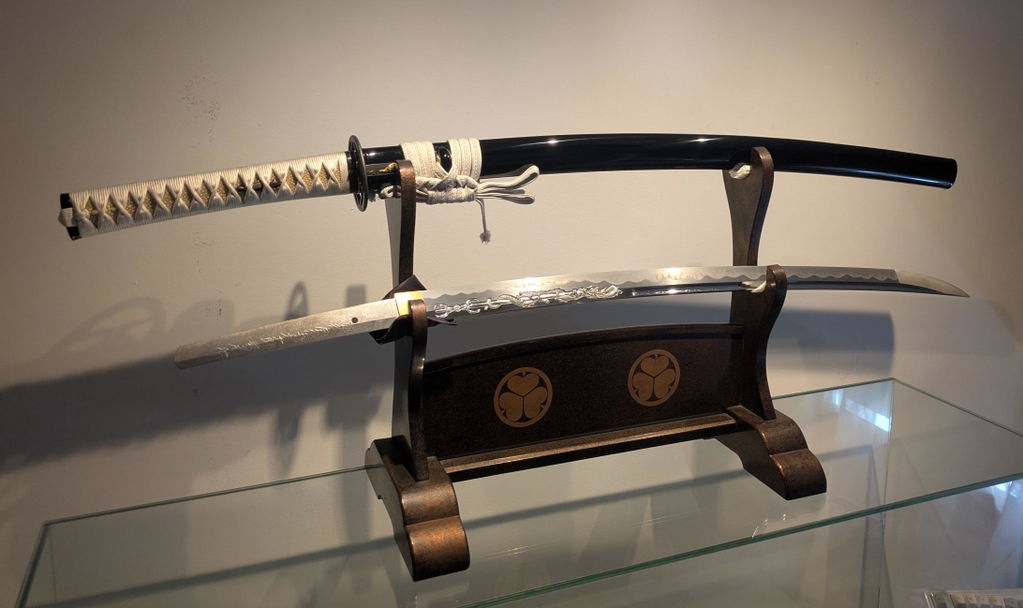
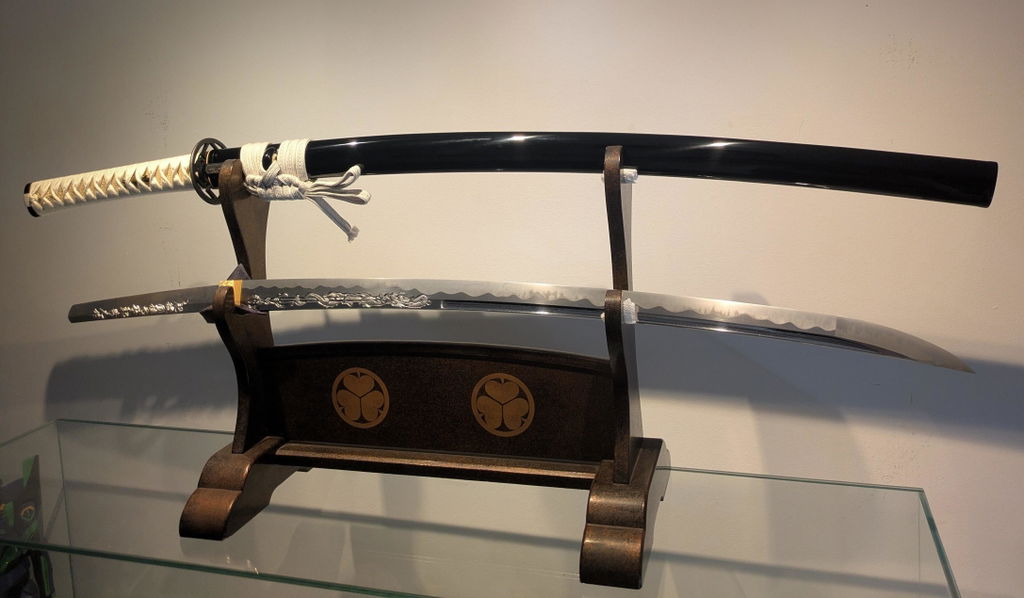
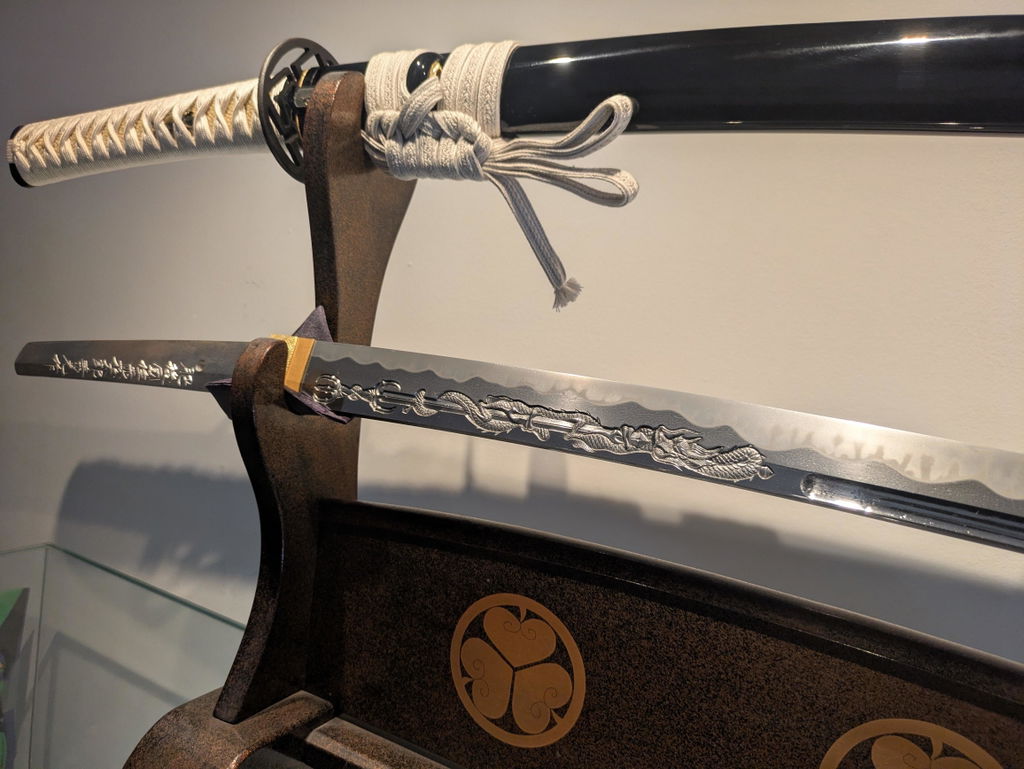
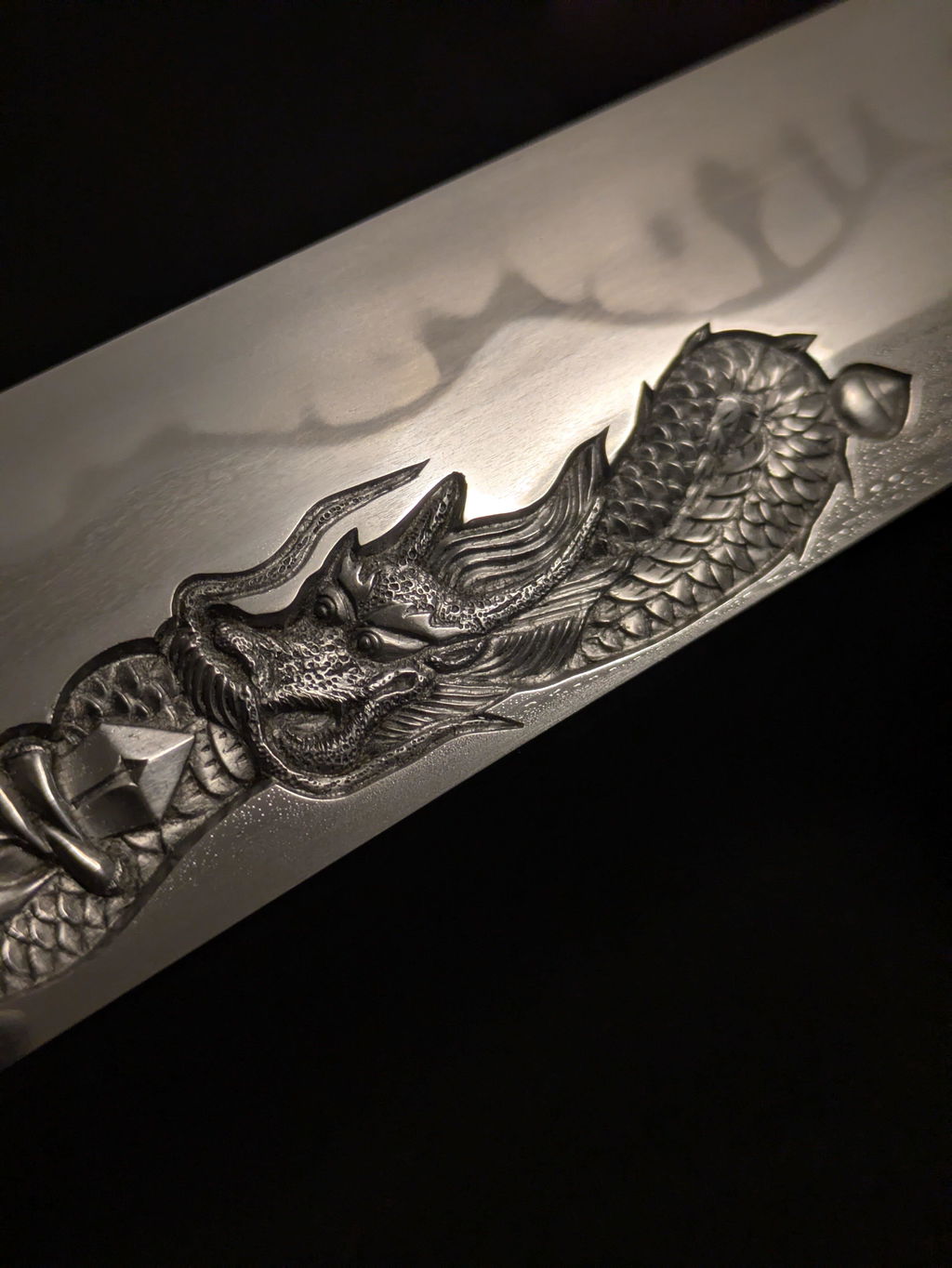
According to official records from the Agency for Cultural Affairs, only two individuals have been officially certified since the Meiji era. One obtained a forging license in the 1970s and produced swords in his home country, but he has since passed away. The other is Johan Leutwiler, a Swiss national who obtained a forging license in 2024. This means that as of 2026, there is only one non-Japanese individual officially licensed by the Agency for Cultural Affairs to forge Japanese swords. This underscores how difficult it is for non-Japanese individuals to become swordsmiths, requiring them to overcome significant barriers such as the environment, the apprenticeship system, language, and customs.
5. Conclusion
The journey to becoming a certified swordsmith, particularly as a non-Japanese individual, is undoubtedly one of profound dedication and immense challenge. It is a path less traveled, demanding not only a mastery of the forge but also a deep immersion into a culture steeped in tradition and respect for the craft. For those outside Japan, this ancient art of creating the Japanese sword, or Nihonto, requires overcoming unique hurdles, from navigating language barriers and cultural nuances to securing a master's apprenticeship and managing the significant financial and logistical demands.
From the initial dream to the ultimate certification, every step is a test of resolve. Aspiring swordsmiths must prepare for years of rigorous training under a master craftsman (sensei), where patience, precision, and an unwavering commitment to learning are paramount. This isn't merely about forging steel; it's about understanding the spirit of the sword, the history it embodies, and the meticulous techniques passed down through generations. The path necessitates a comprehensive understanding of the materials, the tools, and the philosophical underpinnings of traditional Japanese swordsmithing.
Ultimately, for the non-Japanese aspirant, the reward lies not just in the ability to craft a magnificent katana, but in the honor of preserving a living heritage. It's about becoming a part of a select lineage, contributing to the continuation of an art form that has captivated the world for centuries. While arduous, the journey offers an unparalleled opportunity for personal growth and artistic fulfillment.
To summarize the core commitments for this extraordinary endeavor, consider the following key aspects:
| Aspect | Commitment Required |
|---|---|
| Apprenticeship | Years of rigorous, full-time dedication under a recognized master swordsmith in Japan. |
| Cultural & Language Immersion | Essential for effective learning, daily life, and understanding the nuances of the craft. |
| Financial Preparedness | Significant savings for living expenses, training fees, and initial setup for a forge post-certification. |
| Physical & Mental Fortitude | The work is physically demanding and requires immense patience, discipline, and resilience. |
| Certification Process | Navigating the stringent requirements set by Japanese cultural authorities to become a licensed swordsmith. |
Embrace the challenge, prepare diligently, and commit wholeheartedly, and you too can forge your legacy in the ancient art of Japanese swordsmithing.

Want to buy authentic Samurai swords directly from Japan? Then TOZANDO is your best partner!
Related Articles

Leave a comment: