An elegant style, favored by aristocrats, leading shrines, and temples In 794, the capital was transferred from Yamato in Nara to Yamashiro, or present-day Kyoto. Kyoto then played a central role in politics and culture for more than 1,000 years...
In the history of Japanese swords, the five major sword-smithing regions are called Gokaden, each of which has developed in its own unique way. Although at first glance, Japanese swords appear to be made in the same way, in fact,...
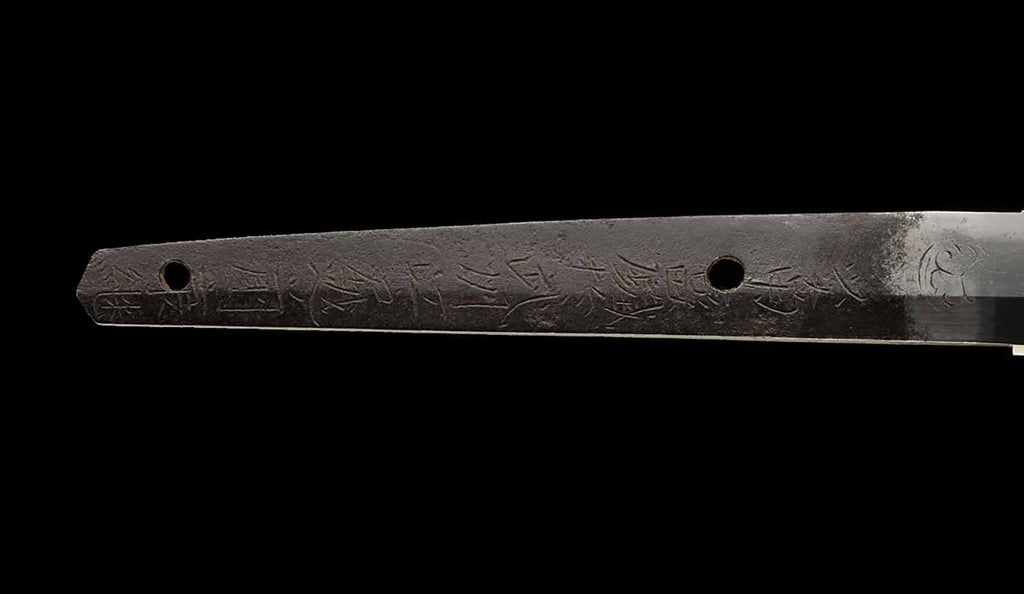
Why focus on Mei? Many Japanese swords have inscriptions on the tang. It is recorded that in the Nara period (710-794), a swordsmith’s name was required by law to be inscribed on the tang. However, it is said that the...
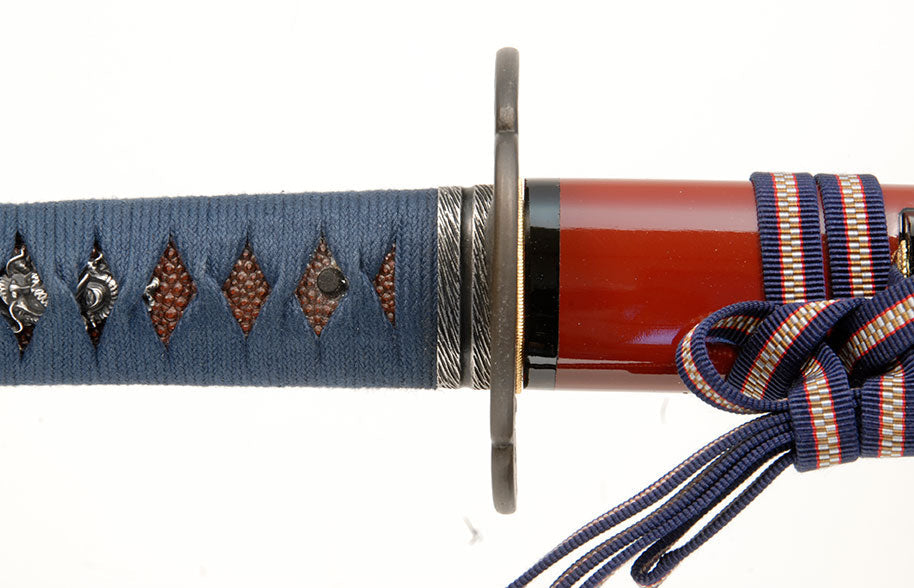
What is Koshirae? Japanese swords can be roughly divided into two types: Tachi and Uchi-gatana. Aikuchi Koshirae This is a type of sword without a tsuba and is made so that the mouth of the saya and the fuchigane of...
This is a great little book. It is aimed at beginners to the field but there are still bits of information that seasoned connoisseurs will appreciates. It has an accessible written style and excellent diagrams of features that I’ve never understood or seen such as ‘yo’ and ‘choji ashi’. Highly recommended book.
The Katana I purchased from Tozando is magnificent. It is a work of art. I am deeply grateful for the excellent customer service I received and the beautiful blade.