

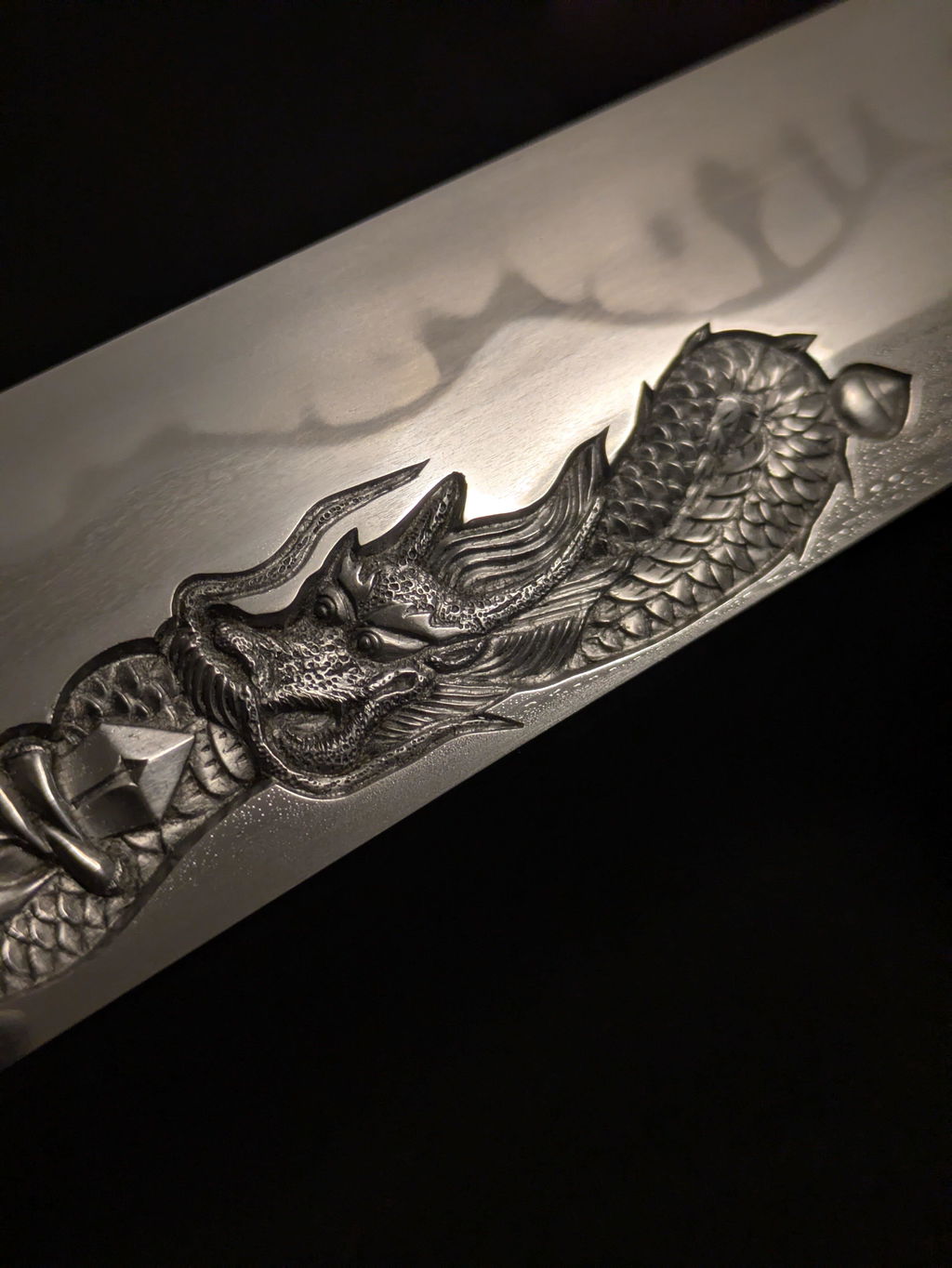
There is no substitute for standing in front of a genuine nihonto. Photographs capture the surface; they cannot convey the depth of the hamon, the three-dimensional shimmer of the jihada, or the absolute stillness of a blade that has survived five centuries. Japan's museums make this experience possible — and for collectors, scholars, and curious visitors alike, a journey through the country's great sword collections is one of the most rewarding things Japanese cultural travel can offer. This guide covers the essential institutions, what you will find at each, and how to make the most of your visit.
Japan is the only place in the world where this concentration of authentic nihonto is publicly accessible. From the NBTHK's dedicated sword museum in Tokyo to a living sword-making village in rural Okayama, the breadth and depth of what can be seen is extraordinary — and most of it remains unknown to visitors who have not specifically sought it out.
Tokyo — The Capital's Essential Destinations
(Tōken Hakubutsukan)
For anyone with a serious interest in Japanese swords, the Tōken Hakubutsukan is the single most important museum in Japan — and arguably in the world. Operated directly by the NBTHK (Nihon Bijutsu Token Hozon Kyokai), it is the physical embodiment of the organisation that authenticates, preserves, and promotes nihonto as an art form. The NBTHK's offices remain inside the building; this is not simply where swords are exhibited — it is where the living infrastructure of Japanese sword scholarship operates.
The museum opened at its current Ryogoku location in January 2018, moving from its former Yoyogi site where it had operated for nearly five decades. The purpose-built, three-storey reinforced concrete facility sits within the historic Kyu-Yasuda Garden, a short walk from the Ryogoku Kokugikan sumo stadium. The collection holds approximately 190 items including swords, tōsōgu (sword fittings), yoroi (armour), and metalworking documents, with a number designated as National Treasures or Important Cultural Properties.
The display rotates regularly by thematic exhibition, drawing from all five major schools — Yamashiro, Yamato, Bizen, Sōshū, and Mino — with particular strength in blades from the Heian, Kamakura, and Nanbokuchō periods. The annual exhibition of award-winning works from the modern swordsmith competition is among the most anticipated events in the nihonto calendar, showcasing the finest contemporary examples of living craft. Collectors who visit regularly report seeing masterpieces on a different level with each return — the O-Kanehira, the Ishida Masamune and Sadamune, works by Kotetsu and Sukehiro have all featured in recent rotations.
- The thematic exhibitions on the third floor — each rotation reveals a different dimension of the tradition
- The annual modern swordsmith competition exhibition — the finest contemporary nihonto in one place
- The rooftop garden overlooking Kyu-Yasuda Garden — a rare moment of stillness in central Tokyo
- The museum shop on the first floor — curated reference books and study materials unavailable elsewhere
(Tōkyō Kokuritsu Hakubutsukan)
Japan's oldest museum — established in 1872 — and the largest repository of Japanese cultural property in the country. The Tokyo National Museum's sword holdings include some of the most significant blades ever forged, among them designated National Treasures that are seen nowhere else. The museum regularly displays examples of nihonto at the absolute apex of the art form — pieces that define what the tradition has achieved at its greatest.
Swords are displayed in the Honkan (Japanese Gallery), typically in the gallery dedicated to arms and armour, and occasionally in the Heiseikan during special exhibitions. The collection rotates seasonally, which means each visit offers different pieces — a feature that experienced collectors exploit by timing visits to coincide with specific thematic rotations. The Ichigo Hitofuri — the tanto forged by Yoshimitsu and prized above all possessions by Toyotomi Hideyoshi — is among the treasures held here.
Beyond the sword galleries, the museum's broader collections provide essential context: the armour, the lacquerwork, the textile traditions, the ceramics — all contribute to an understanding of the culture that produced nihonto and gave it its unique significance. A visit to the Tokyo National Museum is less a trip to a sword exhibition and more a full immersion in the civilisation that the sword came from.
- The Japanese Gallery Honkan — arms and armour section with rotating nihonto displays
- Check the online exhibition schedule before visiting — blade rotations are announced in advance
- The Horyuji Treasures gallery — extraordinary context for understanding Japanese metalwork traditions
- The museum grounds and architecture — among the most beautiful in Asia
Nagoya & Central Japan — Tokugawa Country
(Tokugawa Bijutsukan)
The Tokugawa Art Museum is unlike any other sword collection in Japan — because it is not simply a museum of nihonto, but a preserved record of how Japan's most powerful ruling family lived, equipped themselves, and understood beauty. Opened in 1935, it houses the hereditary collection of the Owari branch of the Tokugawa clan — over 10,000 items including swords, armour, koshirae, lacquerware, ceramics, textiles, and the legendary Genji Monogatari Emaki illustrated scrolls.
For sword collectors, the museum offers something rare: nihonto in their full cultural context. The first exhibition room typically features official items of the feudal lords, including magnificent armour and swords, displayed alongside the furnishings and objects they would have been surrounded by in life. The Monoyoshi Sadamune — Tokugawa Ieyasu's beloved wakizashi, the blade he believed brought victory in battle — is held here, though display schedules vary.
The museum's koshirae collection is particularly exceptional. The sword fittings (tsuba, menuki, fuchi-kashira) produced for the Tokugawa family represent the absolute pinnacle of decorative metalwork — objects that were simultaneously functional and works of art at the highest level. Visitors who study fittings alongside blades will find their appreciation of both deepened significantly.
- The first exhibition room — swords and armour of the Owari Tokugawa daimyō in period context
- The koshirae collection — among the finest sword fittings in existence
- The Nagoya Castle Ninomaru palace recreation — objects displayed as they were actually used
- Combine with Nagoya Castle for a full day of Tokugawa heritage
(Atsuta Jingū Hōmotsukan)
Atsuta Jingū is one of Japan's most important Shinto shrines — second only to Ise — and it is revered for enshrining the sacred sword Kusanagi no Tsurugi, one of the legendary Three Imperial Regalia of Japan. With a history spanning over 1,900 years, the shrine is a spiritual and cultural landmark that places the Japanese sword at the very centre of national identity.
The Treasure House displays a remarkable collection of swords, armour, and historical artifacts donated to the shrine over centuries. The swords here are not merely collected objects — they are votive offerings, weapons given to the gods, pieces that carry a spiritual weight felt throughout the collection. For collectors and enthusiasts, the experience of seeing swords in this context — as sacred objects rather than art objects — provides a dimension of understanding that no conventional museum can replicate.
- The treasure house collection of votive swords — objects given to the shrine by historical figures
- The ancient cedar forests surrounding the shrine — a meditative context for reflection
- Combine with the Tokugawa Art Museum for a full Nagoya sword day
(Seki Dentō Kōgei-kan)
Seki City in Gifu Prefecture is one of the great sword-making centres of Japan — the heartland of the Mino-den tradition, one of the five great schools (gokaden). The museum documents roughly 700 years of local swordsmithing, from the 14th-century arrival of the smiths Kaneuji and Kaneshige who established the Mino tradition, through the great Muromachi-period masters Magoroku Kanemoto and Kanesada, to the living craftspeople who continue the tradition today.
The museum's monthly public forging demonstration is one of the most memorable experiences available to sword enthusiasts anywhere in Japan. Watching a licensed smith heat tamahagane to 1,200 degrees and shape it with hammer and tongs — in person, within a few metres — transforms abstract understanding of the forging process into something visceral and permanent. Arrive early on demonstration days; they draw dedicated crowds.
The adjacent Feather Museum and Gifu-Seki Cutlery Hall provide broader context for Seki's 700-year heritage as Japan's blade-making capital — a tradition that continues today in the city's world-renowned cutlery industry.
- The monthly forging demonstration — check the Visit Seki website to confirm the current date
- The Mino-den display — swords from one of Japan's five great schools in their home region
- The adjacent Feather Museum and Cutlery Hall — Seki's broader blade heritage
Photographs capture the surface — only the real thing reveals the depth."
Kyoto — Ancient Capital, Living Tradition
(Kyōto Kokuritsu Hakubutsukan)
The Kyoto National Museum holds one of Japan's most significant collections of nihonto, with particular strength in pieces from the Yamashiro school — the oldest and most revered of the five great traditions, centred on the ancient capital. The museum's sword collection includes blades forged by the foundational smiths of the tradition: pieces from the legendary Three Smiths of Awataguchi, and works representing the formative period when the Japanese sword as an art form first took definitive shape.
The museum's permanent collection galleries rotate seasonally, with swords displayed in the Arms and Armour section of the main building. The Mutsunokami Yoshiyuki — the sword carried by Sakamoto Ryōma on the night of his assassination in 1867, bearing the actual cut mark from that encounter on its scabbard — is held here. Advanced imaging conducted in 2016 confirmed with high probability that this is the authentic blade from that night.
Beyond nihonto, the museum's holdings in ceramics, textiles, and Buddhist art provide rich context for understanding Kyoto as the cultural centre where the aesthetic traditions that shaped nihonto were developed and refined.
- Sakamoto Ryōma's Mutsunokami Yoshiyuki — when displayed, one of the most historically charged objects in Japan
- Yamashiro-school tachi from the Heian and Kamakura periods — the oldest and most revered tradition
- The Meiji period Western-style main building — designated an Important Cultural Property itself
- Adjacent to Sanjusangendo (the Hall of 1,001 Buddhas) — combine for a full day in Higashiyama
— Contemporary Nihonto in the Ancient Capital
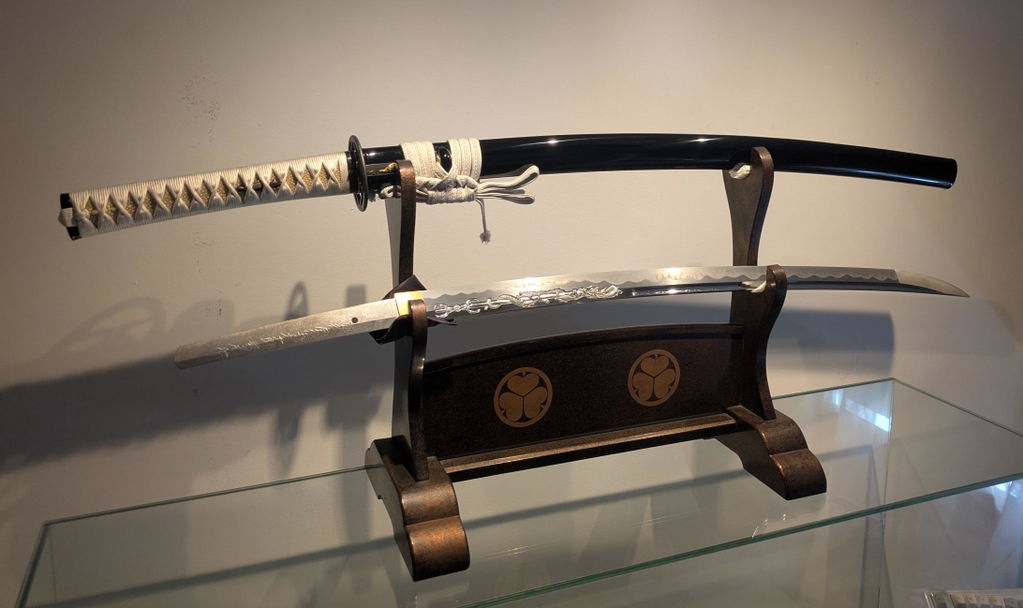
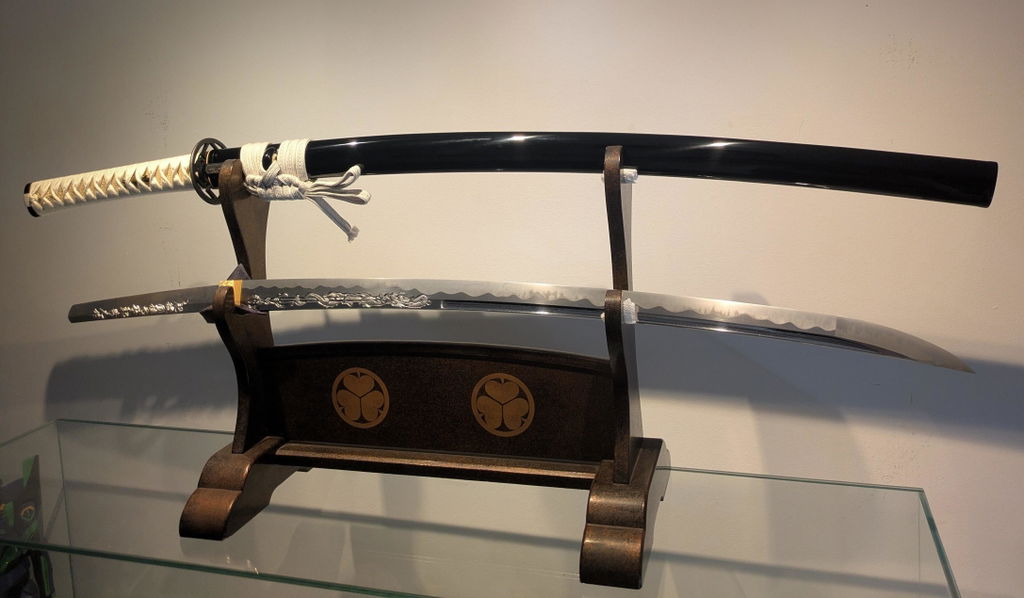
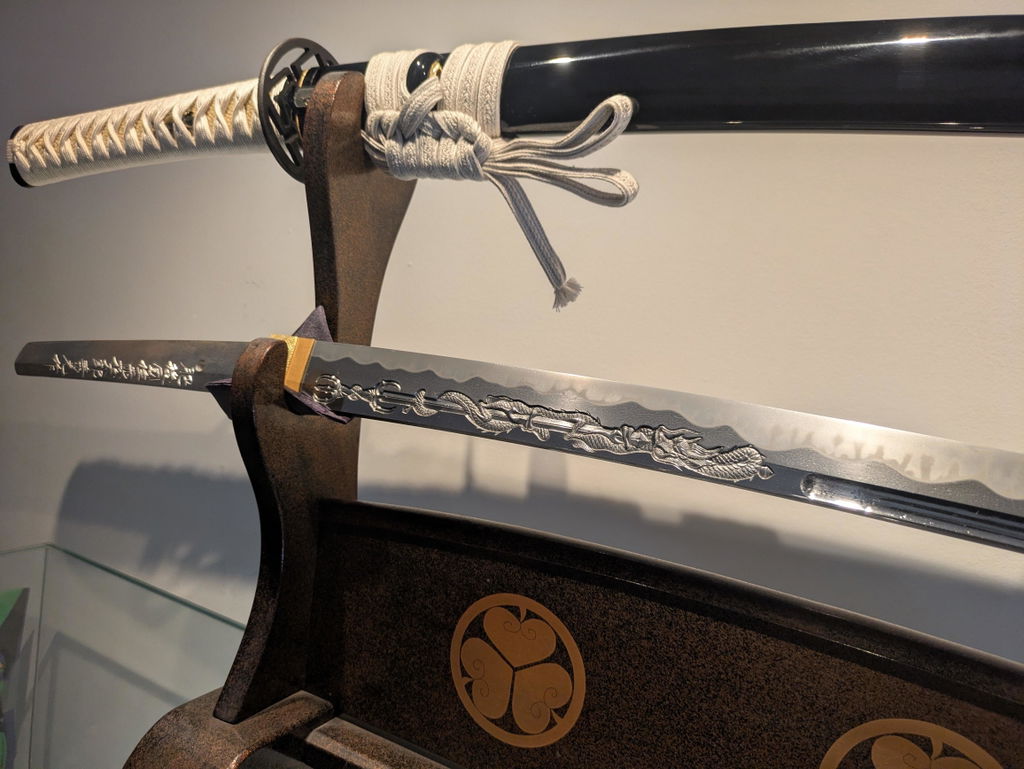
For collectors seeking not merely to view nihonto but to acquire them, the Gallery Tozando in Kyoto offers something no museum can: access to Mukansa-level swords — works by living licensed smiths who have achieved the highest competitive recognition — in an environment where purchase, consultation, and complete export documentation are all handled by specialists.
Mukansa status is awarded to swordsmiths whose work is no longer subject to competition judging, their excellence having been definitively established. The gallery features an extensive and rotating display of these contemporary masterworks, providing a rare opportunity to compare modern pieces with the living tradition they continue — and to speak directly with specialists who can explain what you are looking at in depth.
For international visitors to Kyoto with a collecting interest, a visit to the Tozando Gallery offers the kind of engaged, expert interaction that transforms appreciation into acquisition. The gallery's international export experience — with full Agency for Cultural Affairs documentation and shipping to over 30 countries — means that a piece seen in Kyoto can be in a collection anywhere in the world within four to six weeks.
- Mukansa-level modern swords by Japan's most recognised living smiths
- Expert consultation in English — understanding what you are looking at before any purchase decision
- Complete handling of NBTHK certification, export permits, and international shipping
- Ideal complement to museum visits — seeing the tradition at its historical peak and its modern continuation in the same day
Okayama — The Holy Land of Bizen Swords
& Sword Village
Osafune is the most important single location in the history of Japanese swordsmithing. Approximately half of all surviving important Japanese swords — the pieces designated as National Treasures and Important Cultural Properties — were made in Bizen Province, and Osafune was the centre of Bizen production for over 800 years. The museum, established in 1983, was built on this ground of extraordinary historical significance — and what surrounds it is even more remarkable than what is inside.
The Bizen Osafune Sword Village groups together working forges and craft studios where the full production chain of a Japanese sword can be observed: traditional folded-steel forging, engraving (hori), togi (polishing), and saya (scabbard making). On the second Sunday of every month, the public forging demonstration (ko-datara) shows tamahagane steel being hammered at 1,200 degrees by master smiths — an experience that draws enthusiasts from around the world. Attending this demonstration is, for many collectors, the single most memorable event of a Japan sword trip.
The museum's collection of approximately 40 blades on permanent display, supplemented by rotating exhibitions of roughly six per year, focuses on Bizen-school works. Among the highlights is the National Treasure Tachi Unmei Ichimonji (known as "Sanchomo") — a masterwork of the Ichimonji school beloved by Uesugi Kenshin, one of Japan's greatest warlords.
Tozando has a direct and active relationship with Bizen Osafune that goes well beyond the role of a sword dealer. Tozando has been appointed by Setouchi City as the designated management operator (shitei kanrisha) of the museum's Bussankan — the on-site craft and gift shop where visitors can purchase sword-related goods, traditional crafts, and specialist materials. This official role reflects the depth of Tozando's commitment to the living craft of Bizen swordsmithing and its preservation for future generations. Furthermore, as part of Setouchi City's active programme to expand the Osafune brand internationally, Tozando has accompanied the Mayor of Setouchi City on official overseas missions — including visits to Paris and New York — to promote Bizen sword culture and craftsmanship to collectors, institutions, and cultural audiences worldwide. For international visitors to Bizen Osafune, the Bussankan operated by Tozando offers the most direct opportunity to bring a piece of this extraordinary tradition home.
- The 2nd Sunday forging demonstration — arrive early; this is one of the unmissable experiences in nihonto travel
- The Sword Village working forges — see polishers, engravers, and scabbard-makers at work
- The National Treasure Sanchomo tachi — a masterwork associated with Uesugi Kenshin
- The Bussankan (craft shop) operated by Tozando — specialist sword care items, traditional crafts, and original goods
- Paper knife workshop (¥1,500) — hands-on experience under a resident swordsmith's guidance
- Combine with Okayama Castle and Korakuen Garden for a full Okayama day
Fukuoka — Kyushu's Sword Treasure
(Fukuoka-shi Hakubutsukan)
Fukuoka City Museum is primarily a museum of local history — but it holds one of the most celebrated blades in Japan: the Heshikiri Hasebe, the National Treasure sword of Oda Nobunaga. The name means "Forceful Cutter" — derived from the story that Nobunaga pressed the blade through a wooden shelf to kill a servant hiding beneath. Forged by Hasebe Kunishige in the 14th century and listed in the Kyōhō Meibutsu Chō (the great Edo-period catalogue of famous swords), the Heshikiri Hasebe passed from Nobunaga to Hideyoshi and eventually to the Kuroda clan of Fukuoka, who maintain it as a family treasure to this day.
The sword is displayed on a rotating basis and is not always on show — it is worth checking the museum's exhibition schedule before making a special journey. When it is displayed, however, it is one of the most historically significant swords accessible to public view anywhere in Japan.
- The Heshikiri Hasebe — Nobunaga's National Treasure sword, when on display (confirm schedule in advance)
- The gold seal of Na (Kin-in) — one of Japan's most important historical artifacts
- Combine with Fukuoka Castle ruins and Ohori Park for a full Fukuoka day
Quick Reference — All Museums at a Glance
| Museum | Location | Admission | Best for | Don't miss |
|---|---|---|---|---|
| Japanese Sword Museum (NBTHK) | Ryogoku, Tokyo | ¥1,000 | Serious collectors; all schools | Annual modern smiths exhibition |
| Tokyo National Museum | Ueno, Tokyo | ¥1,000+ | National Treasures; broadest context | Ichigo Hitofuri; rotating NT displays |
| Tokugawa Art Museum | Nagoya, Aichi | ¥1,400 | Tokugawa heritage; koshirae | Monoyoshi Sadamune (check schedule) |
| Atsuta Jingū Treasure House | Nagoya, Aichi | ¥500 | Sacred sword culture; spiritual context | Votive sword collection |
| Seki Swordsmith Museum | Seki, Gifu | ¥300 | Mino-den; live forging | Monthly forging demonstration |
| Kyoto National Museum | Higashiyama, Kyoto | ¥700+ | Yamashiro school; historic significance | Ryōma's Yoshiyuki (when displayed) |
|
Bizen Osafune Sword Museum Bussankan operated by Tozando |
Setouchi, Okayama | ¥500 | Bizen-den; living craft; Tozando partner site | 2nd Sunday forging; Sword Village; Bussankan |
| Fukuoka City Museum | Fukuoka | ¥200 | Nobunaga's sword; Kyushu history | Heshikiri Hasebe (check schedule) |
Practical Tips for Nihonto Museum Visits
- Check exhibition schedules before travelling. Japan's museum collections rotate regularly — sometimes every few weeks. Specific blades you hope to see may not be on display on your visit date. Most museums post English-language schedules online; checking in advance prevents disappointment.
- Allow more time than you think you need. The Japanese Sword Museum takes 60–90 minutes minimum; the Tokugawa Art Museum and Tokyo National Museum warrant half-day visits. The Bizen Osafune complex, with its working Village, benefits from a full two hours. Budget generously.
- Visit on a weekday. Japan's museums are significantly less crowded on weekdays, particularly outside school holiday periods. The Japanese Sword Museum and Bizen Osafune are best experienced without crowds pressing in from behind.
- For Bizen Osafune — plan around the forging demonstration. The second Sunday of every month is the main draw. Arrive at least 30 minutes before the demonstration begins to secure a good viewing position. Confirm the current schedule on the official Okayama tourism website before travelling.
- Bring a notebook. Museum visits in Japan move quickly, and the information available — especially in Japanese — exceeds what can be absorbed without notes. Writing down smith names, periods, and observations builds the vocabulary and eye that transforms subsequent visits.
- Ask questions. Museum staff at dedicated sword institutions — particularly the NBTHK museum and Bizen Osafune — are knowledgeable and, in many cases, passionate advocates for the art form. English communication is possible at most major venues, and well-directed questions often unlock explanations that go beyond the exhibition labels.
- Photography policies vary. Most Japanese sword museums permit photography in some areas and prohibit it in others. Check at the entrance. When photography is permitted, raking light from a 45-degree angle to the blade surface best reveals the hamon and jihada — the angle professional photographers use.
we can bring to your home
Museum visits reveal what the tradition has achieved — and for many collectors, they are the moment the decision to own a genuine nihonto becomes inevitable. Based in Kyoto, Tozando ships authenticated antique and modern swords directly from Japan to collectors in over 30 countries, with full NBTHK certification and export documentation handled at no additional cost.
In Closing — Where to Begin
If your Japan itinerary has limited time and you can visit only one destination, begin with the Japanese Sword Museum in Ryogoku. It is the most focused and the most directly connected to the living scholarship of nihonto. If you can add one more, the Tokyo National Museum in Ueno gives you the broadest possible view of what the tradition has produced at its highest levels.
If you are travelling beyond Tokyo, Bizen Osafune is the single most immersive destination in Japan for sword enthusiasts — a place where the past and present of the craft are simultaneously visible. And for collectors specifically, a visit to Kyoto that combines the National Museum's historical collection with the living craft available at Tozando provides the complete picture: where the tradition came from, and where it continues.
Every blade you see in these museums was once held by someone who understood what it meant. Standing in front of one, you begin to understand it too.
Sources: Touken Takarado — "Where to see Nihonto in Japan"; Wonderful Museums — "Japanese Sword Museum Tokyo," "The Japanese Sword Museum," "Japan Sword Museum"; Samurai Museums — "Japanese Sword Museum Tokyo," "Tokugawa Art Museum," "Seki Traditional Swordsmith Museum," "Bizen Osafune Sword Museum"; Japan National Tourism Organization; Okayama Prefecture Official Tourism Guide; MATCHA Japan Travel Guide — "Tokugawa Art Museum"; Japan Travel (japan-experience.com) — "The Japanese Sword Museum"; GaijinPot Travel — "Bizen Osafune Sword Museum"; Visit Gifu — "Seki Traditional Swordsmith Museum."
Note: Museum hours, admission prices, and exhibition schedules are subject to change. Always confirm current information on each museum's official website before visiting. Exhibition rotation dates for specific blades may vary.

Leave a comment: