

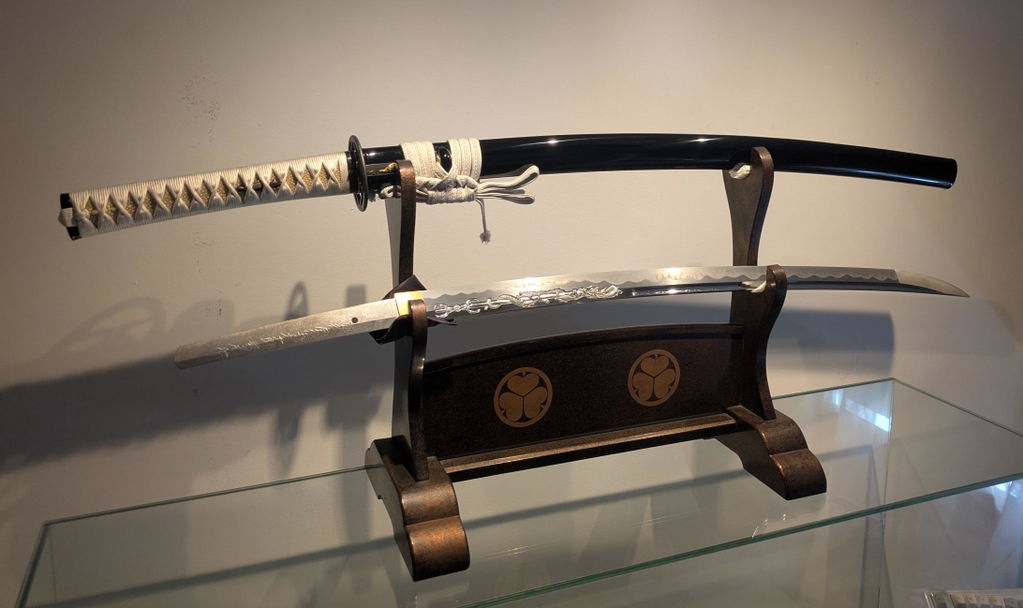
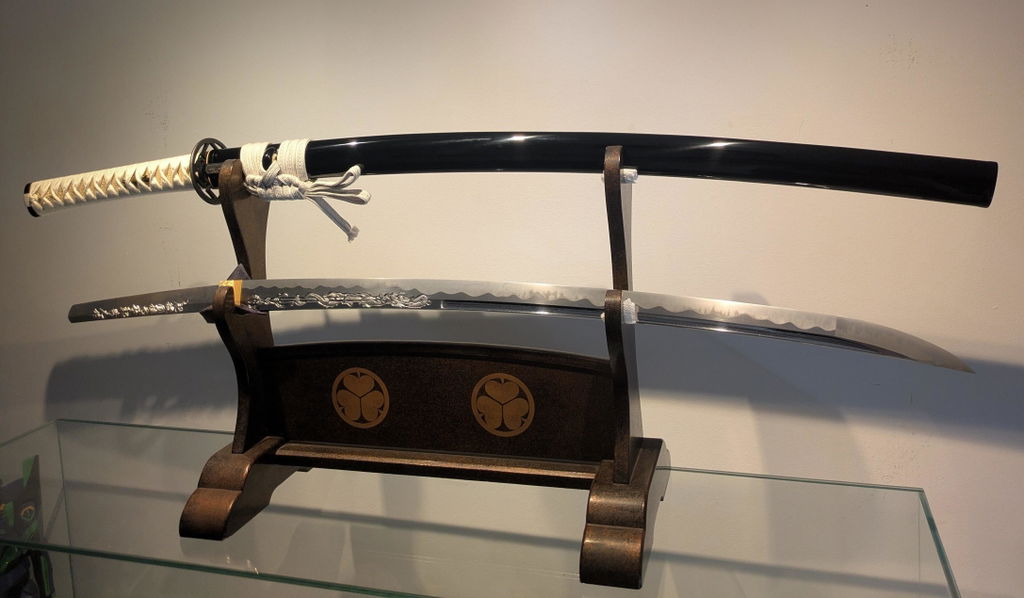
The Japanese sword is more than just a weapon—it is a symbol of honor, craftsmanship, and centuries-old tradition. Known for its elegance, sharpness, and cultural significance, the Japanese sword has captured the fascination of historians, collectors, and martial artists around the world.
The History of Japanese Swords
Japanese swords date back over a thousand years, evolving alongside the country’s samurai culture. During Japan’s feudal era, swords were not only tools of warfare but also spiritual objects believed to hold the soul of the samurai.
Early blades were straight, but as warfare changed, curved swords became more practical for quick, precise strikes. This evolution led to the creation of the iconic katana, which became the standard weapon of the samurai class.
Types of Japanese Swords
Japanese swords come in several distinct forms, each designed for a specific purpose:
- Katana – The most famous sword, characterized by its curved blade and long grip, ideal for swift, two-handed use.
- Wakizashi – A shorter companion sword often worn alongside the katana.
- Tanto – A small dagger used for close combat and ceremonial purposes.
- Tachi – An older, more curved sword traditionally worn by cavalry.
Each type reflects the needs of its time while maintaining the artistry that defines Japanese blade-making.
The Craftsmanship Behind the Blade
The process of forging a Japanese sword is a meticulous art passed down through generations. Swordsmiths use a special steel called tamahagane, which is repeatedly heated, folded, and hammered to remove impurities and create strength.
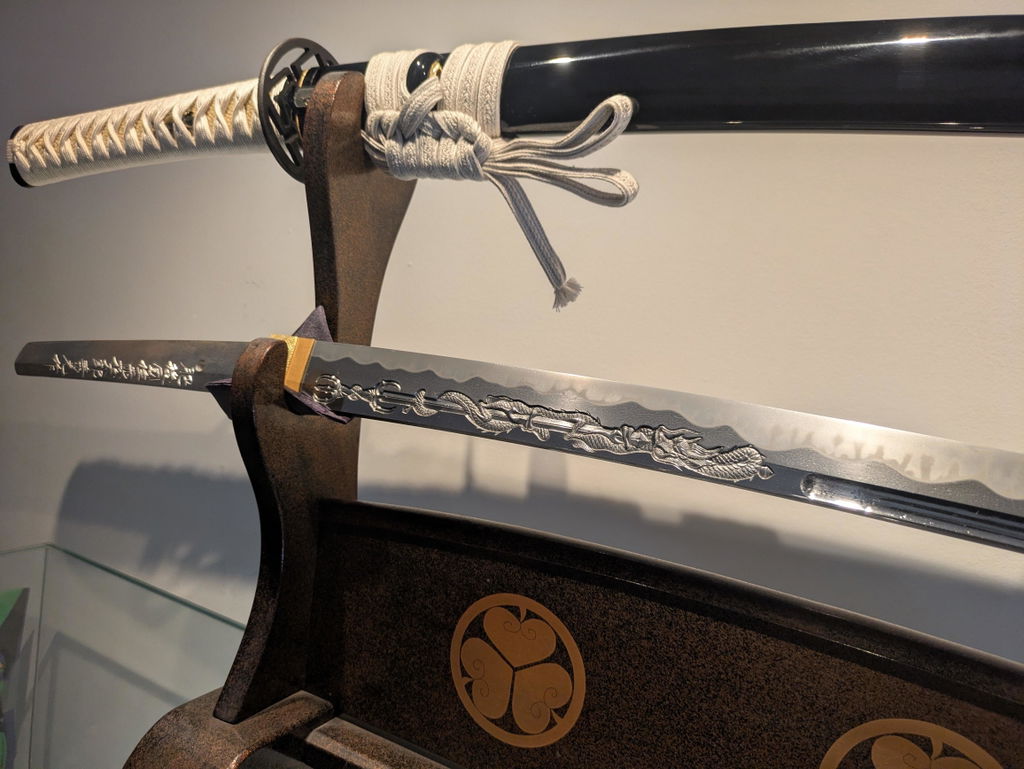
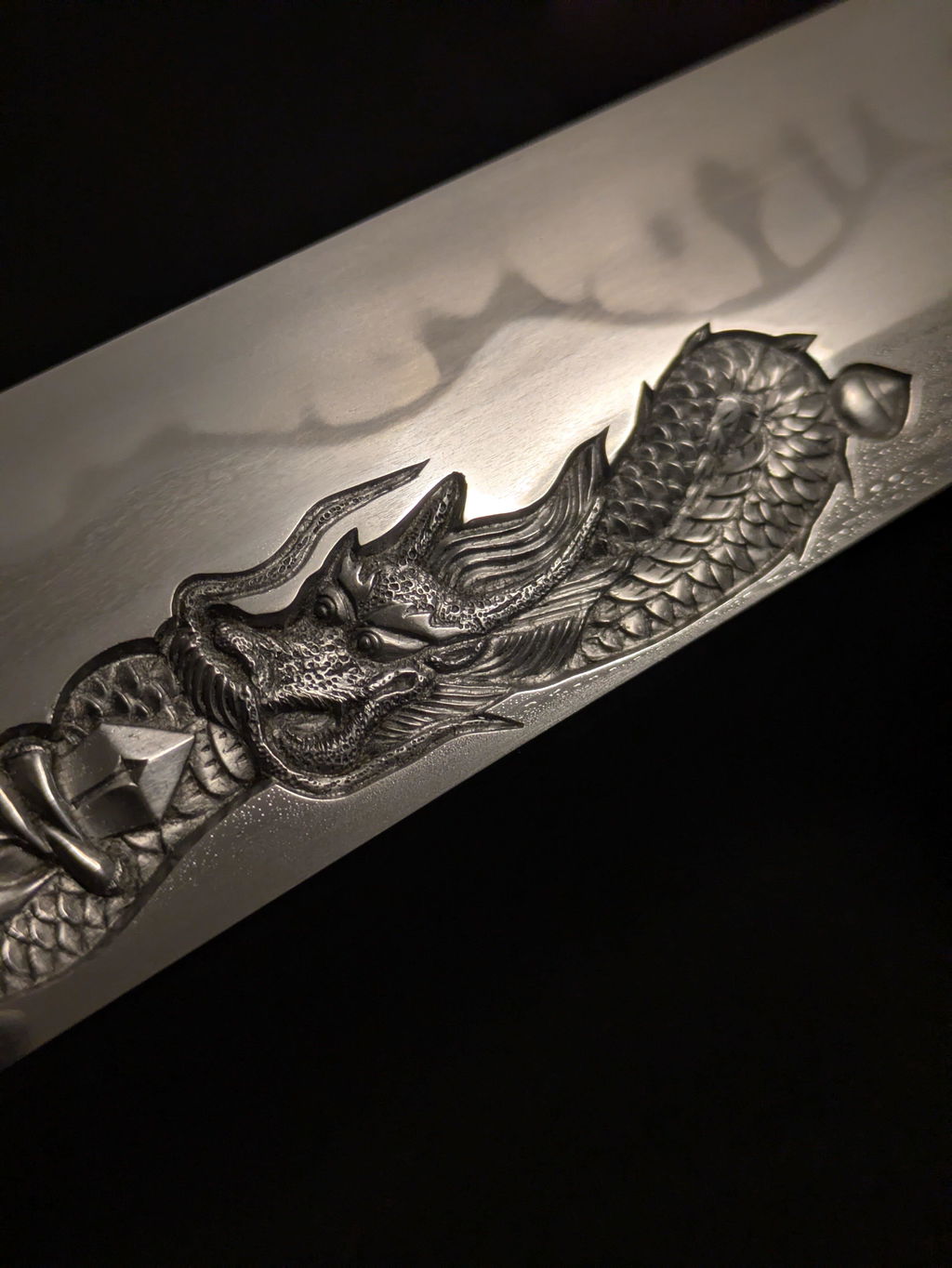
The blade is then coated with clay and heated before being rapidly cooled—a process known as differential hardening. This creates the sword’s signature curved shape and the beautiful temper line (hamon) visible along the edge.
This combination of science and artistry results in a blade that is both incredibly sharp and remarkably durable.
Cultural and Spiritual Significance
In Japanese culture, swords are deeply symbolic. They were often seen as extensions of the samurai’s spirit and were treated with great respect.
Even today, Japanese swords are used in traditional martial arts such as Kendo and Iaido. Antique swords are also preserved as cultural treasures, reflecting Japan’s rich heritage.
Modern Appreciation and Collecting
Today, Japanese swords are admired worldwide—not just as historical artifacts but also as works of art. Collectors value authentic, handmade swords for their craftsmanship, rarity, and cultural importance.
Modern replicas are also popular among enthusiasts, offering a way to experience the beauty of these blades without the cost of antique originals.
Conclusion
The Japanese sword stands as a testament to precision, discipline, and artistic excellence. From the battlefields of ancient Japan to modern collections and martial arts, its legacy continues to inspire and captivate.
Whether you are a history enthusiast, martial artist, or collector, the Japanese sword represents a unique blend of functionality and beauty that few other objects can match.

Leave a comment: