

There are sword dealers, and there are custodians of tradition. The difference is not merely a matter of degree — it is a matter of commitment. For Tozando, the relationship with Bizen Osafune is the clearest expression of that commitment: a formal, government-recognised partnership with the most historically significant sword-making site in Japan, built on a shared conviction that this tradition is too important to merely sell — it must be actively preserved, promoted, and carried forward.
This is the story of that relationship — what it means, how it came to be, and why it matters to every collector who chooses to purchase from Tozando.
Osafune — The Place Where Japanese Sword History Lives
To understand why the Tozando–Bizen Osafune partnership is significant, you first need to understand what Osafune is — and why no other location on earth occupies the same position in the history of Japanese swordsmanship.
Long ago, the entire southeastern part of present-day Okayama Prefecture, including Osafune, was part of Bizen Province. Swords produced in the downstream area of the Yoshii River, centred around Osafune, are referred to as Bizen Swords — renowned for their exceptional quality and accounting for 47 of the 111 swords designated as National Treasures by the Japanese government. Put simply: nearly half of the greatest swords ever recognised by the Japanese state as National Treasures came from this region. No other province comes close.
What made Osafune so exceptional was not chance but geography. Bizen sword production thrived thanks to the local region's rich natural resources. The nearby Yoshii River provided a convenient means of transporting and accessing raw materials. The old Sanyodo highway connected Osafune to major cities, supporting local trade. Iron sand from the Chūgoku mountains, the pure waters of the Yoshii River ideal for quenching, abundant charcoal from Japanese red pine — Osafune possessed every natural advantage that great swordsmithing required, concentrated in a single place.
The great schools of Osafune — Ko-Bizen, Fukuoka Ichimonji, Kamakura Ichimonji, and above all the Osafune school itself — produced blades that equipped the samurai class of medieval Japan across eight centuries. Uesugi Kenshin's Sanchomo tachi, now a National Treasure, came from here. Countless blades carried into the decisive battles of Japanese history — Sekigahara, Osaka, the campaigns of the Sengoku warlords — were Bizen pieces, forged in the workshops along the Yoshii River. Osafune is not merely a historical site. It is the physical location where the most consequential chapter of Japanese sword history was written.
They are being forged today.
What makes Osafune unique among historical sword-making centres is that the tradition never died. Today, the Osafune swordsmiths continue to create masterpieces: modern art swords that rival those of the golden age of swordsmithing during the Kamakura period. The same approaches — tamahagane steel, clay-differential hardening, the creation of the chōji hamon distinctive to the Bizen tradition — are used by licensed smiths working in the forges of the Sword Village today.
This is the continuity that Tozando has committed to supporting. Not the memory of a tradition, but the tradition itself — alive, practised, and producing works of genuine artistic and historical significance in the 21st century.
The Bizen Osafune Sword Museum — More Than a Collection
The Bizen Osafune Japanese Sword Museum was established in 1983 with the aim of honouring, preserving and conveying this important historical and cultural legacy. But from its founding, the museum was designed to be something more than a display space — it was conceived as a living centre of craft, the anchor of what became the Bizen Osafune Sword Village.
The museum building houses the exhibition galleries — approximately 40 blades on permanent display, supplemented by rotating exhibitions every two months, with particular focus on Bizen-school works spanning the full range of the tradition from Ko-Bizen through to the contemporary era. Among the permanent holdings is the National Treasure Tachi Unmei Ichimonji, known as "Sanchomo" — a masterwork of the Ichimonji school associated with the great warlord Uesugi Kenshin.
Surrounding the museum, the Sword Village brings together working forges and specialist craft studios where every stage of Japanese sword production can be observed: traditional steel forging, blade polishing (togi), engraving (hori), scabbard lacquering (saya making), and fitting production. Once a month, it is possible to observe the "ancient forging" in which tamahagane is hammered out at a high temperature of 1,200 degrees, and it has become so popular that Japanese sword fans from overseas flock to it.
The Bizen Osafune museum complex is the only facility in Japan where the complete, unbroken chain from raw iron sand to finished, mounted sword can be observed under one roof. It is, in this sense, the most complete living document of the Japanese sword tradition anywhere in the world.
Tozando and Bizen Osafune — The Partnership
Tozando's relationship with Bizen Osafune goes well beyond the transactional. It is a formal, ongoing, and publicly recognised partnership that reflects a shared set of values: that the Japanese sword tradition is a cultural inheritance of global significance, that it requires active stewardship rather than passive appreciation, and that connecting the world's collectors directly with the living tradition is the most meaningful contribution a sword dealer can make.
-
1Designated Management Operator — the Bussankan
Tozando has been appointed by Setouchi City as the designated management operator (shitei kanrisha) of the museum's Bussankan — the on-site craft and merchandise hall where visitors can purchase sword-related goods, traditional crafts, specialist care materials, and original Osafune-branded products. This official government designation is not a commercial arrangement — it is a public trust. Setouchi City entrusted the Bussankan to Tozando because of the company's demonstrated commitment to the tradition, its expertise in Japanese sword culture, and its capacity to represent Bizen Osafune authentically to the national and international visitors who pass through the museum's doors.
For the international collector who visits Bizen Osafune, the Bussankan is the most direct point of connection between the living craft and the global collector community — staffed by people with genuine knowledge of what they offer, curated with the same care that Tozando applies to every piece in its collection.
-
2International Advocacy — Paris and New York
Tozando's relationship with Setouchi City extends beyond the museum's grounds. As part of the city's active programme to expand the recognition of the Osafune brand internationally — to establish Bizen swords as a globally understood mark of quality and cultural significance — Tozando has accompanied the Mayor of Setouchi City on official overseas missions to Paris and New York, representing the Bizen sword tradition to collectors, institutions, cultural organisations, and media in two of the world's most important art markets.
These missions represent something significant: a Japanese municipal government choosing a sword dealer as its partner in representing a UNESCO-level craft tradition on the international stage. The message this sends about Tozando's position within the Japanese sword world is not one that can be purchased or manufactured — it is earned, and it speaks to the depth of the relationship between Tozando and the institutions that preserve and promote the tradition.
-
3Promoting Modern Bizen Swords — A Request from the Mayor
The Tozando–Setouchi City partnership has deepened further in response to a direct request from the Mayor of Setouchi City: to help promote the sale of modern swords forged by contemporary smiths with connections to the Bizen Osafune tradition. The Mayor's request reflects a clear-eyed understanding of what keeps a living craft alive: not museums and exhibitions alone, but a genuine market — collectors around the world who purchase the work of today's smiths, ensuring those smiths can continue their practice and transmit their knowledge to the next generation.
This is not a passive endorsement but an active commitment. Tozando has taken on the responsibility of bringing the work of Osafune-affiliated contemporary smiths to the international collector market — a role that only a dealer with Tozando's depth of relationship with the tradition, its English-language reach, and its international export infrastructure is positioned to perform.
-
4Gallery Tozando — Kyoto's Home for Modern Swords
To fulfil this mission — and to give contemporary Japanese swordsmanship the dedicated platform it deserves — Tozando operates Gallery Tozando in central Kyoto: a gallery space focused exclusively on modern shinsakutō (newly forged swords) by licensed Japanese smiths. While most sword dealers concentrate on antiques, Gallery Tozando makes the deliberate and principled choice to place contemporary craft at the centre of its offering.
The gallery features works by mukansa-level smiths — those whose competitive excellence has been formally recognised by the NBTHK to the point where their work is accepted directly without further judging — alongside rising talents from across Japan, including smiths with roots in the Bizen Osafune tradition. Every piece is shown with complete documentation: NBTHK competition records, full provenance from the date of forging, and the smith's personal background and training lineage.
The significance of Gallery Tozando in the context of the Bizen Osafune partnership is this: when international collectors purchase a modern Bizen-tradition sword through Tozando, the proceeds flow directly to a living smith who has trained for over a decade in the tradition's techniques, who is producing work of genuine quality, and who depends on international demand to sustain their practice. That economic relationship is what allows the tradition to continue. The collector becomes not merely an owner but a patron — a participant in the chain of transmission that has kept Bizen swordsmithing alive for over a thousand years.
The Bussankan (物産館) — literally "products hall" — is the on-site retail and cultural goods space within the Bizen Osafune Sword Village complex, operated by Tozando under its designation by Setouchi City. For international visitors arriving at the museum, the Bussankan is often the first and most tangible point of contact with what the Bizen tradition actually produces — and what is available to bring home.
A dealer who helps preserve the tradition that creates them is something different."
Gallery Tozando — Where the Living Tradition Meets the World
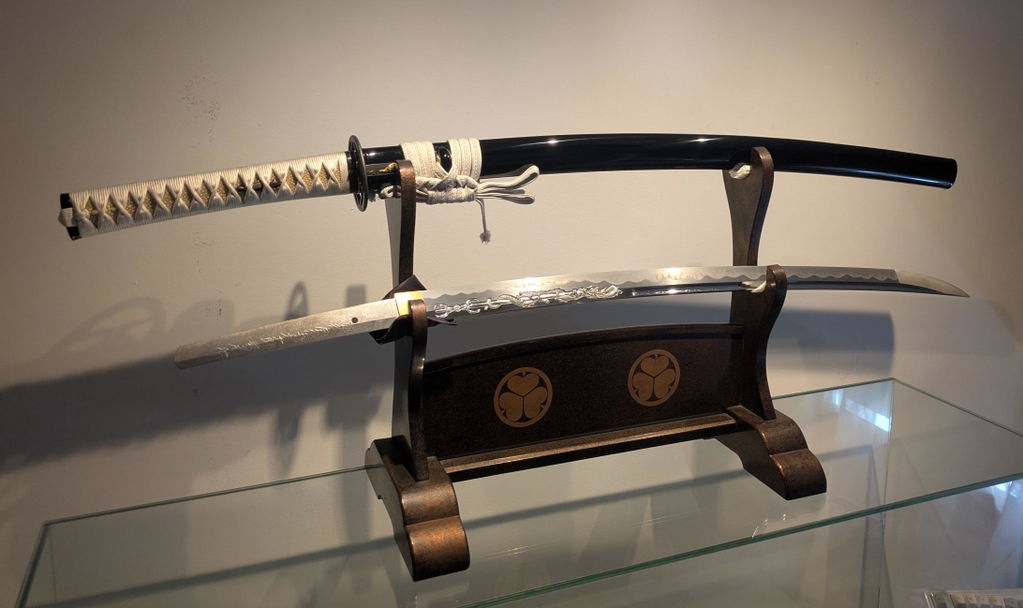
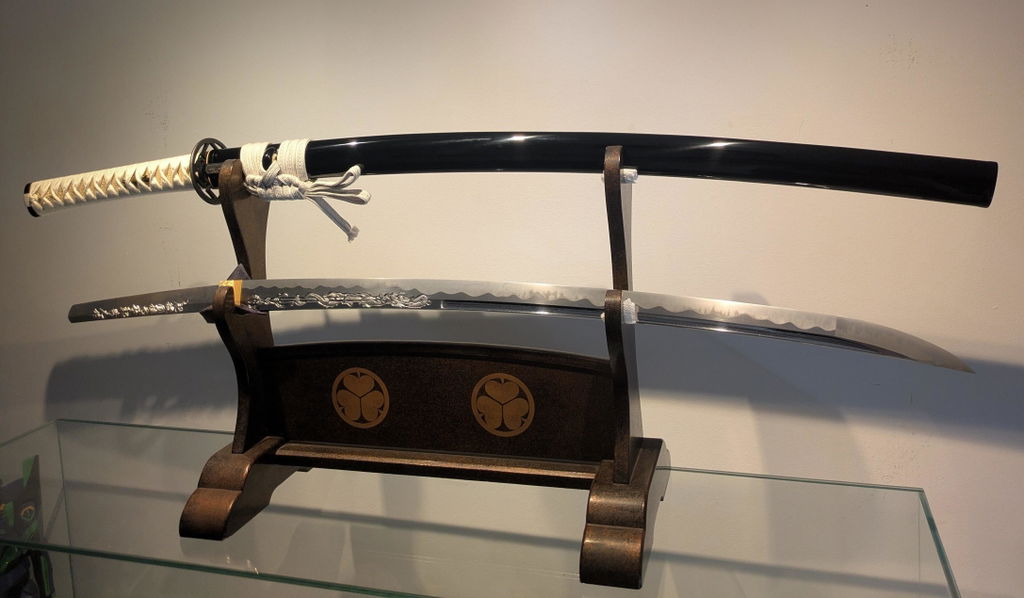
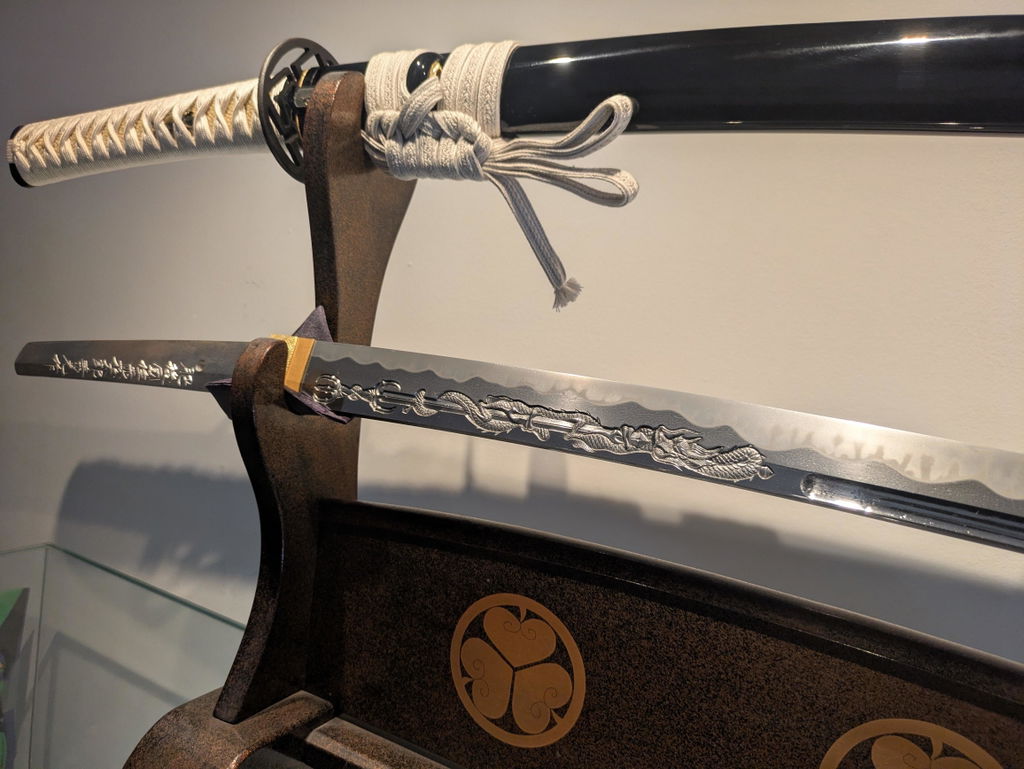
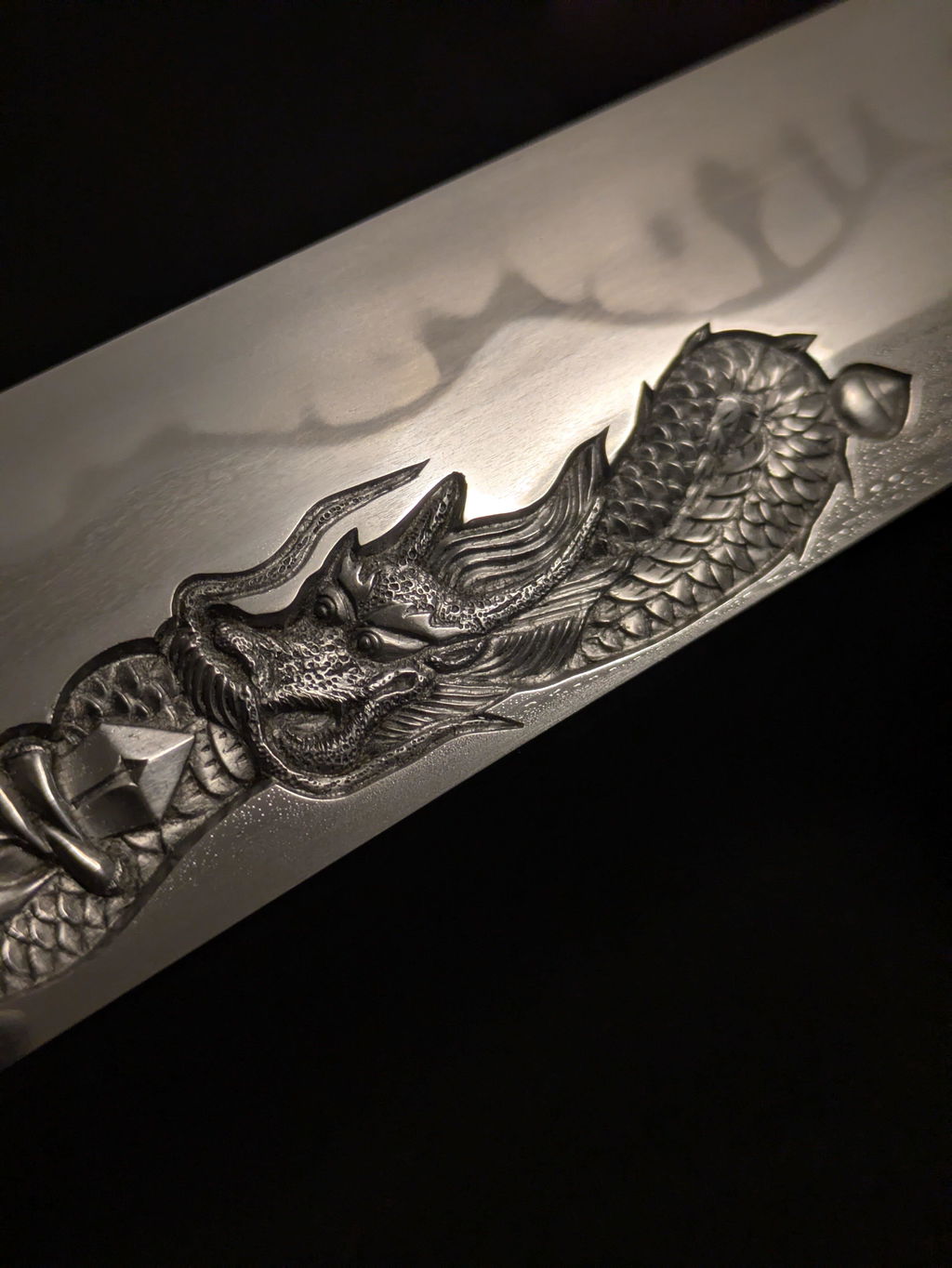
The natural home for Tozando's commitment to contemporary Japanese swordsmanship is Gallery Tozando — a dedicated gallery space in central Kyoto focused exclusively on modern shinsakutō: newly forged swords by licensed Japanese smiths. While antique swords represent the historical peak of the tradition, modern swords represent its future — and Gallery Tozando exists to ensure that future has an audience.
to the art of the living sword
In most sword galleries worldwide, modern pieces occupy a corner — secondary to antiques, offered as a more affordable alternative rather than as works of art in their own right. Gallery Tozando inverts this entirely. Contemporary swords by licensed Japanese smiths — including mukansa-level masters whose work the NBTHK accepts without further competitive examination — are presented as the primary event: documented, contextualised, and offered to collectors who understand that a blade forged today in the Bizen or Yamashiro tradition carries exactly the same craft knowledge as one forged three centuries ago.
The gallery's particular focus on smiths with connections to the Bizen Osafune tradition reflects the Mayor of Setouchi City's direct request: to create international demand for the work of today's Osafune-affiliated craftspeople, ensuring that their practice remains economically viable and that the tradition they embody continues to be transmitted to the next generation. Every sale at Gallery Tozando is, in this sense, an act of cultural preservation — not through donation or subsidy, but through the most sustainable mechanism available: a collector who loves what they own, and a smith who can continue their work because that collector exists.
For international collectors unable to visit Kyoto in person, Gallery Tozando's inventory is accessible through Tozando's international platform — with the same complete documentation, Agency for Cultural Affairs export permits, and worldwide shipping that applies to every piece in the collection.
What This Means for the International Collector
For a collector in New York, London, or Sydney considering a purchase from Tozando, the Bizen Osafune partnership is not merely an interesting background story. It has direct, practical implications for every transaction:
Tozando's position at Bizen Osafune provides access to pieces sourced directly from the craftspeople and families of the tradition — not through multiple intermediaries. When a Bizen-tradition blade is offered by Tozando, the provenance chain from forge to collection is as short and as transparent as it is possible to be.
Setouchi City's designation of Tozando as the official operator of the Bussankan is a formal recognition of expertise and integrity. You are purchasing from an organisation that a Japanese municipal government has entrusted with the public representation of the country's most historically significant sword-making tradition.
Every purchase through Tozando contributes, in a direct and meaningful way, to the economic ecosystem that keeps Bizen swordsmithing alive. The craftspeople in the Sword Village forges work because there is demand for what they create. International collectors who buy from Tozando are participating in the preservation of this tradition — not as donors, but as the market that makes it viable.
The overseas missions to Paris and New York represent Tozando's commitment to bringing Bizen sword culture to the world's collectors, wherever they are. For collectors who cannot visit Japan in person, Tozando's international shipping and English-language expertise mean that the living tradition of Bizen Osafune is accessible from anywhere in the world.
A Relationship Built Over Time
-
1983Bizen Osafune Sword Museum established Setouchi City opens the museum to honour, preserve, and convey the Bizen sword-making legacy. The Sword Village concept — integrating working forges with the museum — is established from the outset.
-
2004The museum enters a new phase of active community engagement The museum deepens its commitment to living craft, becoming the only sword museum in Japan with craftspeople working on-site for the public to observe year-round.
-
OngoingTozando appointed designated management operator of the Bussankan Setouchi City formally designates Tozando as the operator of the museum's on-site Bussankan — a recognition of Tozando's expertise, integrity, and commitment to the tradition that represents the foundation of this partnership.
-
ParisInternational mission — Paris Tozando accompanies the Mayor of Setouchi City to Paris, representing the Osafune brand and Bizen sword culture to European collectors, institutions, and cultural audiences.
-
New YorkInternational mission — New York Tozando accompanies the Mayor of Setouchi City to New York, extending the Osafune brand's reach into the North American collector market — the largest single market for authentic Japanese swords outside Japan.
-
TodayThe partnership continues and deepens Tozando operates the Bussankan, runs Gallery Tozando in Kyoto as a dedicated platform for modern swords, sources from the living tradition of Osafune, and continues to connect international collectors with the craft that has made Bizen the most significant sword-making centre in the history of Japan.
the full spectrum of Japanese sword art
Whether you are drawn to the historical depth of antique nihonto or the irrefutable provenance of a modern sword by a living Bizen-tradition smith, Tozando offers both — with full NBTHK certification, Agency for Cultural Affairs export documentation, and international shipping to over 30 countries. All handled by the team that Setouchi City trusts to represent Japan's greatest sword-making tradition to the world.
In Closing — Why This Partnership Matters
There is a word in Japanese — monozukuri (物作り) — that means "the art of making things." It carries within it a sense that craft is not merely production, but a form of cultural expression, a transmission of knowledge across generations, a responsibility to the past and to the future simultaneously.
Bizen Osafune is the most important single site of monozukuri in the history of Japanese swordsmanship. Its relationship with Tozando is built on a shared understanding of that importance — and a shared commitment to ensuring that the thousand-year tradition it represents continues to be practised, transmitted, and valued by collectors around the world.
When you purchase a sword from Tozando, you are not simply acquiring an object. You are connecting with a tradition maintained by living craftspeople in the forges of Osafune, preserved by a museum that stands on eight centuries of history, promoted by missions that carry its name to the great cities of the world — and delivered to your door by the dealer that Setouchi City has entrusted with its public representation.
That is what it means to buy from the source.
Sources: GaijinPot Travel — "Bizen Osafune Sword Museum"; Highlighting Japan — "Osafune Region: Sword Village Weaves the History of Japanese Swords" (October 2023); Visit Setouchi — "Osafune: Land of Legendary Japanese Swords"; Okayama Prefecture Official Tourism Guide — "Bizen Osafune Sword Museum"; Samurai Museums — "Bizen Osafune Sword Museum"; Google Arts & Culture — "Bizen Swords"; Bizen Osafune Japanese Sword Museum official communications; Setouchi City.
Note: Details of Tozando's designated management role and international missions reflect the company's direct involvement and are provided by Tozando. Museum statistics and historical figures reflect current scholarship as of May 2026.

Leave a comment: