

Delve into the demanding world of the Japanese swordsmith. This article reveals the rigorous apprenticeship, essential skills, and diverse income streams—from crafting exquisite Nihonto to restoration—exploring how these master artisans sustain their ancient craft and make a living today.
1. Introduction to the World of Japanese Swordsmiths
1.1 The Enduring Legacy of Nihonto
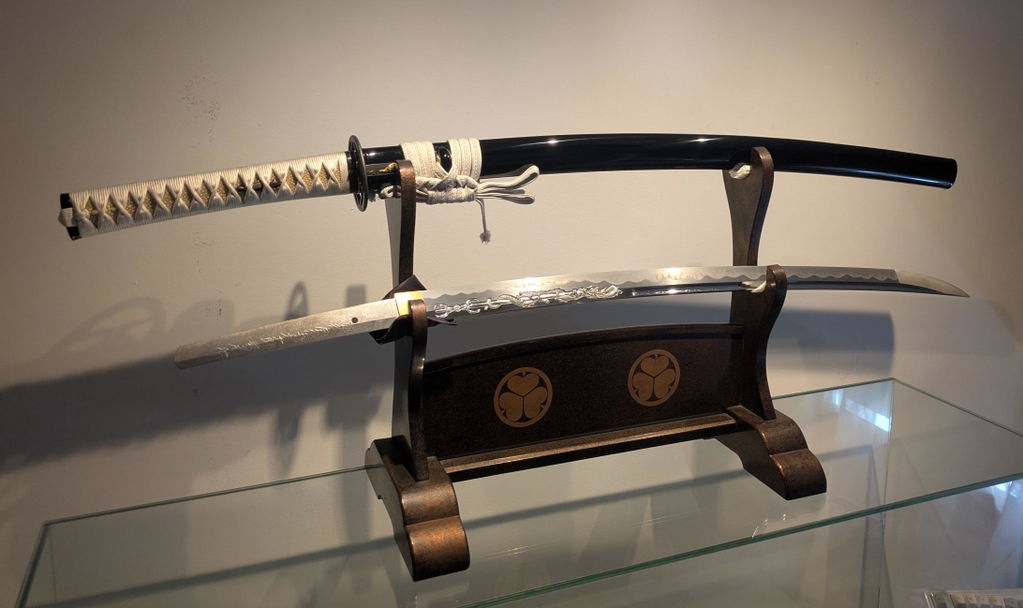
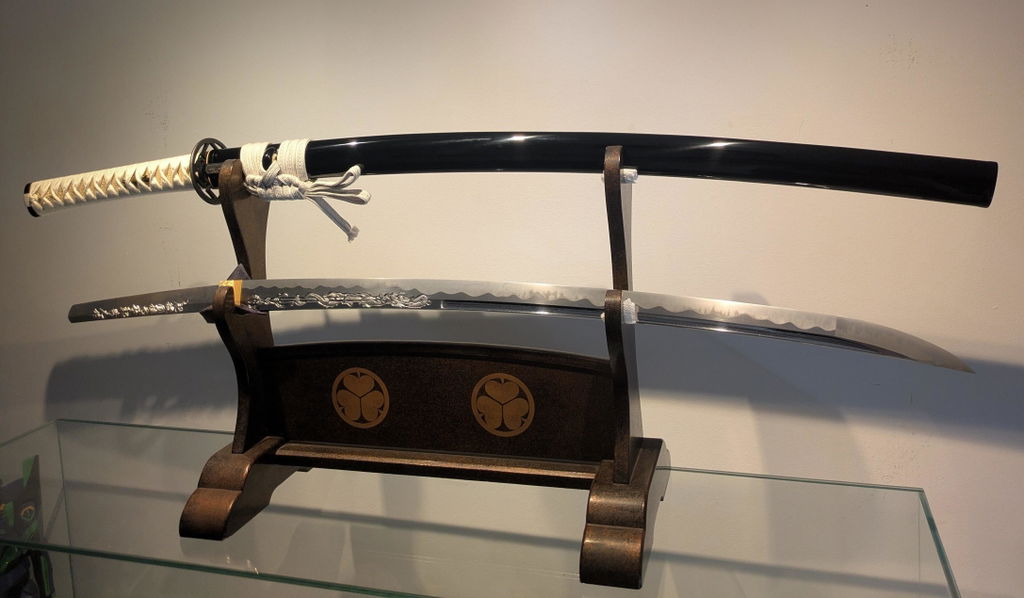
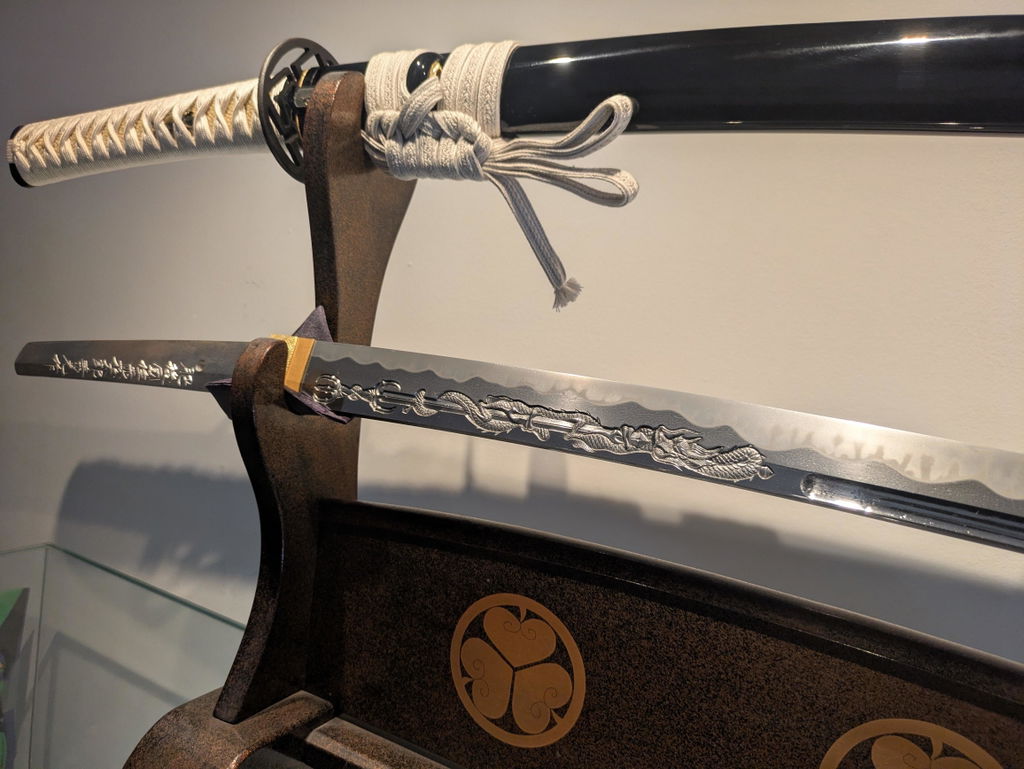
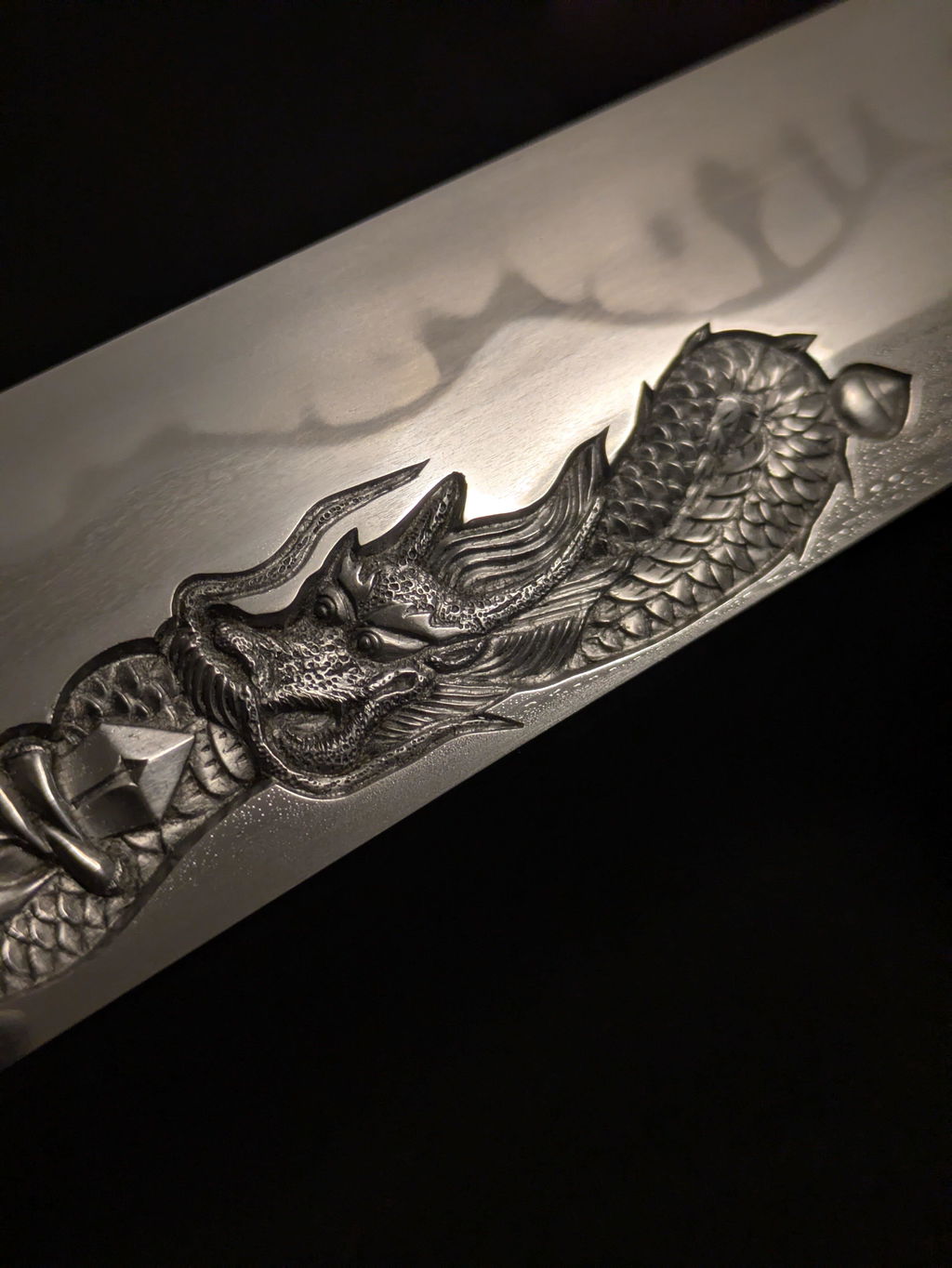
The Japanese sword, or Nihonto, is far more than a mere weapon; it is a profound cultural artifact, a testament to centuries of unparalleled craftsmanship and spiritual dedication. Revered globally for its exceptional sharpness, distinctive curvature, and exquisite beauty, the Nihonto embodies the soul of Japan. From the iconic katana wielded by samurai to the elegant tachi and practical wakizashi, each blade tells a story of meticulous creation and historical significance.
This enduring legacy stems from a tradition that dates back over a thousand years, where the art of sword-making was elevated to a sacred practice. These blades are not just steel; they are considered cultural treasures, often passed down through generations, reflecting the aesthetics, technology, and spiritual beliefs of their era. The allure of the Nihonto continues to captivate collectors, martial artists, and historians alike, ensuring that the demand for these magnificent objects, both new and antique, persists into the modern age.
1.2 Understanding the Role of a Swordsmith
A Japanese swordsmith, known as a katana-kaji or tosho, is a highly specialized artisan dedicated to preserving and practicing this ancient craft. Their role transcends mere metalworking; they are the guardians of a profound artistic tradition, responsible for every step of creating a blade that meets the rigorous standards of quality and historical authenticity. This includes the intricate process of forging, shaping, heat-treating, and preparing the sword for polishing, all while adhering to techniques passed down through generations.
The path of a swordsmith is one of immense discipline and respect for tradition. They are not simply manufacturing items; they are channeling centuries of knowledge and skill into each unique piece. This deep connection to their craft and its history is what distinguishes a Japanese swordsmith from other metalworkers. Their work is a delicate balance between scientific precision and artistic expression, resulting in blades that are both functional masterpieces and objects of breathtaking beauty. Understanding this foundational role is crucial to comprehending how these dedicated individuals manage to make a living in the contemporary world, sustaining a craft rooted in ancient times.
2. The Path to Becoming a Japanese Swordsmith
The journey to becoming a certified Japanese swordsmith, or katana-kaji, is one of profound dedication, rigorous training, and a deep respect for tradition. It is not merely a profession but a way of life, steeped in centuries of cultural heritage and artisanal mastery.
2.1 The Traditional Apprenticeship System
Unlike many modern crafts, the art of Japanese sword making is almost exclusively passed down through a time-honored apprenticeship system. This method ensures the preservation of ancient techniques and philosophies, maintaining the authenticity and spiritual essence of the craft.
2.1.1 Finding a Master Swordsmith
The initial and perhaps most challenging step is securing an apprenticeship under a recognized master swordsmith (sensei). This often requires persistence, humility, and a genuine passion for the craft. Prospective apprentices typically need to demonstrate a strong work ethic, an eagerness to learn, and an understanding of the immense commitment required. There are no formal schools in the Western sense; instead, aspiring swordsmiths seek out masters who are often registered with the Agency for Cultural Affairs in Japan, operating their own private workshops.
2.1.2 Years of Dedication and Training
Once accepted, an apprenticeship is a multi-year commitment, typically lasting five to ten years, or even longer. During this period, apprentices live and work closely with their master, often residing in the master's home or workshop. The training is holistic, encompassing not just the technical aspects of forging but also the lifestyle, philosophy, and cultural significance of the sword.
The apprenticeship progresses through distinct phases:
| Phase | Key Activities and Focus | Skills Developed |
|---|---|---|
| Initial Years (1-3) | Observation, workshop maintenance, preparing charcoal, assisting with forge fires, learning basic tool handling, cleaning. | Discipline, patience, understanding workshop rhythm, foundational tool familiarity. |
| Intermediate Years (3-7) | Assisting in forging processes, learning to fold steel, shaping basic components, understanding material properties, fire control. | Hammering techniques, heat management, steel manipulation, understanding grain structure (jihada). |
| Advanced Years (7+) | Forging entire blades under supervision, applying clay for differential hardening (tsuchikure), initial shaping, understanding blade geometry. | Independent forging, artistic expression, problem-solving, achieving desired blade characteristics (hamon, boshi). |
Apprentices are expected to master every aspect of the swordsmith's craft, from the most mundane chores to the most intricate forging techniques, before they are deemed ready to produce their own blades.
2.2 Essential Skills and Knowledge Acquired
The path cultivates a unique blend of physical strength, meticulous precision, and artistic sensibility. A swordsmith must possess a deep understanding of metallurgy, thermodynamics, and traditional aesthetics.
2.2.1 Forging Tamahagane
At the heart of a Japanese sword is tamahagane, a high-carbon steel traditionally produced in a tatara (a traditional Japanese smelter). Swordsmiths learn to select, refine, and forge this raw material. The process involves repeatedly heating, hammering, and folding the steel, which purifies it, removes impurities, and creates countless layers. This layering process is crucial for developing the characteristic grain patterns (jihada) and the blade's exceptional strength and flexibility. The apprentice learns to interpret the steel's behavior at various temperatures and to control the forge to achieve the desired carbon distribution.
2.2.2 Shaping and Polishing the Japanese Sword
Once the basic billet is forged, the swordsmith meticulously shapes the blade, defining its curvature (sori), tip (kissaki), and overall geometry (sugata). A critical stage is the differential hardening process (yaki-ire), where a special clay mixture (tsuchikure) is applied to the blade before heating and quenching. This creates the distinct hardened edge (hamon) and the softer, more flexible spine.
While the swordsmith lays the foundation, the final beauty and sharpness of the blade are brought out by a specialized polisher (togishi). However, a swordsmith must possess a comprehensive understanding of the polishing process to forge a blade that will respond optimally to the polisher's art. This includes understanding how to achieve the correct blade geometry (suriage) and surface finish that will highlight the natural beauty of the steel and the intricate patterns of the hamon.
3. The Economic Realities of Making a Living
While the romantic ideal of a Japanese swordsmith forging blades in solitude is powerful, the reality of making a living from this demanding craft in the 21st century involves a complex blend of traditional artistry, astute business acumen, and a deep commitment to cultural preservation. The economic landscape for a contemporary katana-kaji (swordsmith) is shaped by niche markets, high production costs, and the need for diversified income streams.
3.1 Primary Income Streams for a Swordsmith
The core of a swordsmith's income traditionally stems from the creation and maintenance of swords. These activities demand unparalleled skill and command significant value.
3.1.1 Selling Custom Japanese Swords
The creation of a custom Japanese sword, or Nihonto, is a labor-intensive process spanning months, if not years. Each blade is a unique work of art, infused with the smith's spirit and adherence to time-honored techniques. The clientele for new Nihonto is highly specialized, typically comprising serious collectors, martial arts practitioners seeking authentic tools, and institutions like museums. Prices reflect the extensive skill, rare materials, and the smith's reputation. A new, traditionally forged sword can command prices ranging from thousands to tens of thousands of US dollars, depending on the smith's experience, the sword's length, and the complexity of its design (e.g., specific hamon patterns or steel folding techniques).
Due to the limited number of licensed swordsmiths in Japan and the meticulous nature of the work, many renowned smiths have waiting lists that can extend for several years. This backlog, while indicating high demand for their specific artistry, also means a long lead time for income generation from new commissions.
3.1.2 Restoration and Repair Work
Beyond creating new blades, a significant portion of a swordsmith's income can come from the restoration and repair of existing antique Nihonto. Japan boasts a vast heritage of historical swords, many of which require expert attention to preserve their integrity and beauty. This work demands an intimate understanding of various sword styles, historical forging techniques, and the delicate art of polishing (often done by a specialized togishi, but smiths may handle minor repairs or re-shaping). Restoration services include:
- Repairing chips or bends in the blade.
- Re-shaping or re-polishing worn surfaces.
- Addressing rust and corrosion.
- Re-tang (nakago) work for structural integrity.
This work is crucial for maintaining the value and historical accuracy of precious artifacts and provides a more consistent, albeit often less glamorous, income stream compared to new commissions.
3.2 Diversifying Income Beyond Sword Production
To achieve financial stability and sustainability, many contemporary Japanese swordsmiths diversify their activities beyond the direct creation and repair of sword blades.
3.2.1 Teaching and Workshops
Sharing their profound knowledge and skills through teaching is a natural extension for many masters. This can take several forms:
| Activity | Description | Income/Benefit |
|---|---|---|
| Apprenticeship Training | Formal, long-term training for aspiring smiths, often unpaid or with minimal stipend for the apprentice. | Preserves tradition, potential future collaborations, modest fees from some apprentices. |
| Short-Term Workshops | Hands-on experiences for enthusiasts (e.g., forging small items, basic metalwork). | Direct income from participant fees, raises public awareness. |
| Lectures & Demonstrations | Presentations at cultural events, museums, or academic institutions. | Honorariums, increased visibility, cultural exchange. |
These educational endeavors not only generate income but also help cultivate the next generation of smiths and foster public appreciation for the art form.
3.2.2 Related Crafts and Artworks
The specialized metalworking skills of a swordsmith are highly transferable. Many smiths create other items using similar techniques, broadening their product offerings and appeal. This can include:
- Tsuba (sword guards): Intricately designed and highly collectible components of a Japanese sword.
- Kodogu (sword fittings): Other decorative metal elements like fuchi, kashira, and menuki.
- Utility knives and cutlery: High-quality kitchen knives or hunting knives, leveraging their expertise in steel forging and heat treatment.
- Sculptural metal art: Non-functional decorative pieces that showcase their artistic vision and mastery of metal.
These items often have a wider market appeal and can be produced more quickly than a full sword, providing a more consistent revenue stream.
3.2.3 Cultural Preservation and Grants
As guardians of a designated Intangible Cultural Heritage, Japanese swordsmiths often receive support from governmental and private organizations dedicated to preserving traditional arts. This can include:
- Government subsidies: Funding from agencies like the Agency for Cultural Affairs for maintaining workshops, acquiring materials, or training apprentices.
- Private grants and sponsorships: Support from foundations, corporations, or wealthy patrons who wish to ensure the continuation of the craft.
- Museum collaborations: Participation in exhibitions, loaning pieces, or providing expertise, which can sometimes come with stipends or fees.
While these sources may not cover all living expenses, they are crucial for offsetting the high costs associated with traditional sword production and recognizing the smith's role in national heritage.
3.3 Challenges and Sustainability in the Modern Era
Despite the revered status of their craft, Japanese swordsmiths face significant challenges in ensuring their economic viability and the long-term sustainability of their art.
3.3.1 Market Demand and Client Base
The market for traditionally forged Japanese swords is inherently niche. The high cost of a genuine Nihonto limits the potential client base primarily to affluent collectors, dedicated martial artists, and institutions. Expanding this market requires international outreach and effective communication of the sword's artistic and historical value. Furthermore, the number of individuals willing to embark on the rigorous and lengthy apprenticeship required to become a licensed smith is dwindling, posing a threat to the continuity of the craft.
3.3.2 Cost of Materials and Workshop Maintenance
The raw material, tamahagane steel, produced in traditional tatara furnaces, is both rare and expensive. The process of making tamahagane itself is a costly undertaking, often supported by government initiatives to ensure its availability. Beyond the steel, smiths incur significant expenses for:
- Fuel: Charcoal for the forge.
- Tools: Specialized hammers, chisels, files, and polishing stones.
- Workshop upkeep: Rent, utilities, and safety equipment.
- Time investment: The sheer number of hours dedicated to a single blade translates to high labor costs.
These operational costs necessitate high selling prices, which in turn affect market accessibility.
3.3.3 Balancing Tradition with Modern Business
For many swordsmiths, the focus has historically been solely on the craft, with less emphasis on modern business practices. In today's globalized world, effective marketing, online presence, and direct engagement with potential clients are crucial. This often means embracing social media, developing professional websites, and participating in international exhibitions. The challenge lies in adopting these modern business strategies without compromising the deep-rooted traditions and authenticity that define their art. Striking this balance is key to attracting new patrons and ensuring the financial health of their workshops for generations to come.
4. Challenges and Sustainability in the Modern Era
4.1 Market Demand and Client Base
Despite the revered status of the Japanese sword, the market for new, traditionally crafted nihonto is inherently niche. Swordsmiths face the challenge of connecting with a discerning clientele who appreciate the profound artistry and historical significance of their work. The primary buyers typically fall into several categories:
| Client Type | Characteristics and Motivation |
|---|---|
| Collectors | Individuals passionate about historical artifacts, fine craftsmanship, and investment in rare art pieces. They often seek specific styles, smiths, or historical periods. |
| Martial Artists | Practitioners of traditional Japanese martial arts (e.g., Kendo, Iaido) who require high-quality, balanced, and functional swords for practice and display. |
| Museums & Institutions | Acquiring swords for public exhibition, historical preservation, and educational purposes. These purchases are often rare but significant for a smith's reputation. |
| Cultural Enthusiasts | Individuals drawn to Japanese culture, history, and the symbolic power of the samurai sword, often seeking a unique piece of art. |
The global reach of the internet has expanded potential client bases beyond Japan, yet it also intensifies competition and requires swordsmiths to develop a strong online presence and reputation. Economic downturns can significantly impact the luxury goods market, making a stable income stream unpredictable. Networking within the traditional arts community and participating in exhibitions are crucial for visibility and securing commissions.
4.2 Cost of Materials and Workshop Maintenance
The creation of a Japanese sword is a resource-intensive endeavor, both in terms of raw materials and the upkeep of a specialized workshop. The financial outlay begins with sourcing the purest components:
- Tamahagane: The unique steel derived from traditional tatara smelting, which is expensive and often produced in limited quantities.
- Wood for Saya: High-quality magnolia wood (ho-no-ki) is preferred for its stability and protection.
- Ray Skin (Samegawa): Used for the tsuka (handle wrap) base, requiring careful selection and preparation.
- Silk or Cotton Ito: For the intricate handle wrapping, sourced for durability and aesthetic quality.
- Polishing Stones: A wide array of natural and artificial stones, each with specific abrasive properties, are essential for bringing out the blade's beauty.
Beyond materials, the operational costs of a swordsmith's workshop are substantial. These include:
| Expense Category | Examples |
|---|---|
| Utilities | Electricity for grinders and lighting, fuel for the forge (charcoal or gas), water for cooling. |
| Tools & Equipment | Maintenance and replacement of anvils, hammers, chisels, files, and specialized polishing equipment. |
| Workshop Space | Rent or mortgage for the workshop, which often needs to be a dedicated, robust structure capable of handling intense heat and heavy work. |
| Insurance | Liability insurance for the workshop and specialized coverage for valuable tools and materials. |
| Safety Gear | Personal protective equipment (PPE) such as eye protection, respirators, and heat-resistant clothing. |
The sheer time investment, often hundreds of hours per sword, means that the labor cost is immense, yet must be balanced against market prices to ensure the swordsmith can earn a sustainable living. Maintaining the authenticity of traditional practices often comes with a higher financial burden compared to more industrialized methods.
4.3 Balancing Tradition with Modern Business
The ultimate challenge for a Japanese swordsmith today is to honor centuries of tradition while navigating the demands of a contemporary economy. This delicate balance is critical for the sustainability of the craft.
4.3.1 Marketing and Outreach
While the craft is ancient, modern marketing is indispensable. Swordsmiths increasingly leverage:
- Online Presence: Professional websites, social media (e.g., Instagram, YouTube for process videos), and online forums to showcase their work and connect with global enthusiasts.
- Exhibitions and Demonstrations: Participating in art fairs, cultural events, and martial arts conventions to gain visibility and demonstrate their skills firsthand.
- Collaborations: Working with other artisans (e.g., scabbard makers, handle wrappers) to offer complete sword packages, or with cultural institutions for educational programs.
4.3.2 Pricing and Value Proposition
Establishing a fair price for a Japanese sword is complex. It must reflect the immense skill, time, and material cost, as well as the artistic and cultural value. Pricing too low undervalues the craft; pricing too high risks alienating potential buyers. Swordsmiths must effectively communicate the unique story and craftsmanship behind each blade to justify its value.
4.3.3 Legal and Regulatory Compliance
Dealing with genuine Japanese swords, particularly `katana`, involves strict legal frameworks. In Japan, swords must be registered and meet specific criteria. For international sales, navigating export/import regulations and varying national laws on bladed weapons is a significant administrative hurdle that requires careful attention.
4.3.4 Ensuring Generational Continuity
Perhaps the most profound challenge is ensuring the craft survives into future generations. This involves not only finding dedicated apprentices willing to commit to the rigorous, low-paying apprenticeship system but also securing the financial stability that allows masters to take on and adequately train these successors. Government support, cultural grants, and public appreciation play a vital role in preserving this irreplaceable heritage. Ultimately, making a living as a Japanese swordsmith is not just a profession; it is a lifelong dedication to preserving a profound cultural art form against the backdrop of modern economic realities, requiring both unparalleled skill and astute business acumen.
5. Conclusion
| Pillar of Livelihood | Primary Activities | Impact on Sustainability |
|---|---|---|
| Core Craft Production | Custom Sword Commissions, Blade Restoration & Repair | Generates foundational income, maintains demand for traditional skills. |
| Skill & Knowledge Sharing | Teaching Apprentices, Workshops for Enthusiasts, Demonstrations | Supplements income, fosters new talent, broadens public appreciation. |
| Related Artistic Endeavors | Creating Metal Art, Crafting Tooling, Collaboration with Other Artisans | Diversifies revenue streams, showcases versatility, reaches wider markets. |
| Cultural Preservation | Museum Partnerships, Grant Applications, Educational Outreach | Secures funding, enhances recognition, ensures long-term legacy of the craft. |

Want to buy authentic Samurai swords directly from Japan? Then TOZANDO is your best partner!
Related Articles

Leave a comment: