
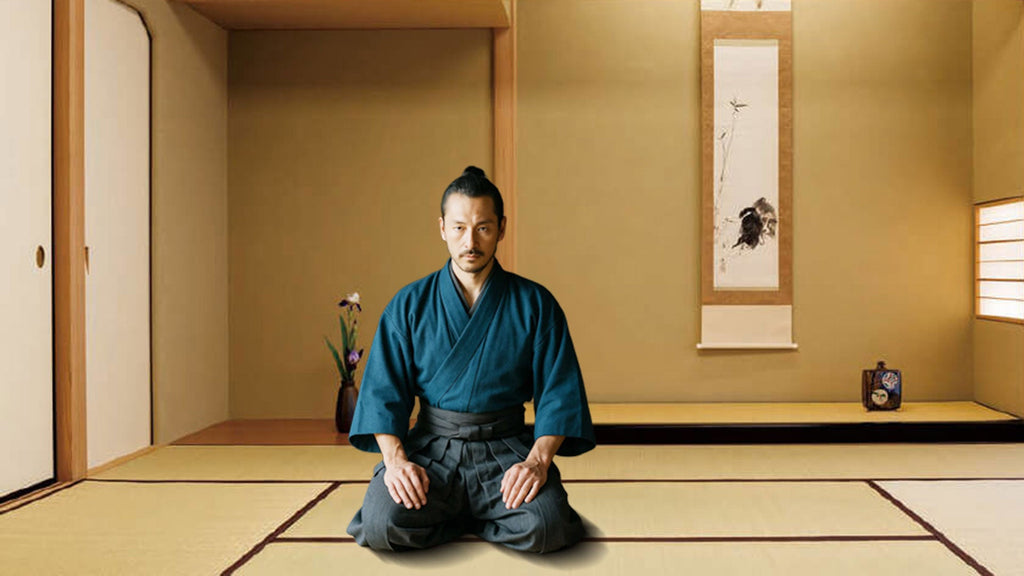
This article will illuminate the distinct traditional Japanese sitting postures—Agura, Kiza, and Seiza—providing a comprehensive understanding of their historical context and profound significance, especially within the legendary samurai culture. Readers will gain insight into *what* defines each posture, *why* samurai utilized them in specific social, ceremonial, and martial situations, and *how* these seemingly simple ways of sitting embodied elements of comfort, combat readiness, strict etiquette, and spiritual discipline. By exploring the practical applications and symbolic meanings of these postures, you will uncover the silent language that shaped the daily lives and warrior code of the samurai, and discover their enduring legacy in Japanese tradition and modern practice.
1. Introduction The Silent Language of Samurai Posture
1.1 Understanding the Significance of Traditional Japanese Sitting
In the rich tapestry of Japanese history, particularly within the esteemed warrior class, the samurai's life was governed by a strict code of conduct and an unwavering commitment to discipline. This meticulous approach extended far beyond martial prowess and philosophical principles, permeating even the most seemingly mundane aspects of daily existence, such as how one sat. The way a samurai positioned their body was never merely about comfort or convenience; it was a powerful, unspoken language that communicated status, readiness, respect, and spiritual fortitude.
This article delves into three fundamental traditional Japanese sitting postures—Agura, Kiza, and Seiza—each with its distinct form, purpose, and cultural resonance. While often associated with modern Japanese customs, these postures have deep historical roots, evolving alongside the samurai's evolving roles in society, from fierce warriors to cultured administrators. Understanding these postures offers a unique window into the values and demands placed upon the samurai, providing insight into their daily lives, ceremonial duties, and even their approach to combat.
From the relaxed, cross-legged Agura, often adopted in informal settings, to the alert and poised Kiza, a posture of immediate readiness, and finally to the highly formal and respectful Seiza, integral to etiquette and spiritual practice, each posture conveyed a complex array of meanings. These traditional ways of sitting were not arbitrary; they were integral to expressing one's social standing, demonstrating discipline, and maintaining a state of mental and physical preparedness. As we explore each posture, we will uncover how they collectively form a 'silent language' that was as crucial to the samurai's identity as their sword and armor, reflecting the intricate balance between practicality, discipline, and profound respect that defined their world.
2. Agura The Cross-Legged Comfort of the Samurai
2.1 What is Agura
Agura (胡座) refers to the traditional Japanese cross-legged sitting posture, widely recognized for its relaxed and informal nature. In this position, an individual sits on the floor with their legs crossed at the ankles or shins, knees bent and pointing outwards, and the feet typically tucked loosely under the opposite thighs or positioned in front of the body. Unlike the more rigid `seiza` (kneeling), `agura` allows for greater freedom of movement and is significantly less demanding on the knees and ankles. The term itself, literally translating to "barbarian sitting" or "foreign sitting," suggests its historical distinction from indigenous formal postures, yet it became a deeply ingrained part of daily life in Japan, including among the samurai class.
The comfort afforded by `agura` made it the go-to posture for extended periods of sitting, whether for daily chores, meals, or social interactions among equals. It represents a fundamental aspect of Japanese body language, signifying a state of ease and familiarity rather than strict adherence to protocol. For the samurai, understanding when and where to adopt `agura` was as crucial as mastering the sword, reflecting their nuanced appreciation for both discipline and practicality.
2.2 Historical Context and Samurai Life
The adoption of `agura` by samurai was a testament to its practical utility in their demanding lives. While the image of a samurai often conjures scenes of rigid formality, much of their existence was spent in less ceremonial settings. Agura provided a stable and comfortable base for numerous everyday activities, allowing samurai to conserve energy and maintain focus without the physical strain associated with more formal postures.
During the feudal era, samurai lived in homes often characterized by tatami mat flooring, where sitting directly on the floor was the norm. `Agura` was ideal for activities such as eating informal meals, engaging in casual conversation with family or close retainers, reading scrolls, writing correspondence, or even performing administrative tasks. Its ease of adoption meant that a samurai could quickly settle into a stable position without much fuss, an important consideration in a lifestyle that often demanded readiness and adaptability.
Moreover, the traditional Japanese attire, particularly the kimono and hakama, was well-suited for `agura`. The loose-fitting garments allowed for the necessary leg movement and comfort, making it a natural and practical choice. This posture became synonymous with the private and less constrained aspects of samurai life, offering a physical respite from the constant demands of their public roles.
2.3 When Samurai Chose Agura
The decision to sit in `agura` was dictated by context, reflecting a samurai's understanding of social hierarchy and situational appropriateness. It was a posture of comfort and informality, predominantly used in settings where strict etiquette was not required or when a sense of camaraderie was desired. Samurai strategically employed `agura` to convey a sense of approachability or relaxation, particularly among peers or subordinates.
Here's a breakdown of typical situations where samurai would choose `agura`:
| Context of Use | Description and Purpose | Social Implications |
|---|---|---|
| Informal Gatherings | When dining with family, close friends, or trusted retainers within their private residences. It allowed for relaxed conversation and camaraderie. | Signified ease, trust, and a temporary suspension of rigid social hierarchy among equals or trusted subordinates. |
| Daily Activities | For routine tasks such as reading, writing, crafting, or engaging in light administrative duties. It provided a comfortable and stable base for prolonged sitting. | Emphasized practicality and personal comfort over ceremonial formality in everyday life. |
| Relaxation and Leisure | During breaks from training, after battles, or during periods of leisure. It was a natural posture for unwinding and resting. | Indicated a moment of respite and personal freedom from the constant demands of their warrior code. |
| Strategic Discussions (among peers) | When samurai leaders gathered to discuss tactics or plans with their immediate peers or trusted generals, where an open and less formal atmosphere was beneficial for brainstorming. | Fostered a sense of equality and open communication, conducive to collaborative decision-making without the strictures of formal protocol. |
| Within Their Own Quarters | When alone or with immediate family members in their personal living spaces, away from public scrutiny. | Reflected personal comfort and the privacy of their domestic life, where public decorum could be relaxed. |
Conversely, `agura` was strictly avoided in highly formal situations, such as receiving a superior, attending official ceremonies, or in the presence of the Shogun or Emperor, where `seiza` was the only acceptable posture. The ability to discern the appropriate sitting posture was a subtle yet critical aspect of a samurai's social intelligence, demonstrating respect, humility, or comfort as the situation demanded.
3. Kiza The Ready Stance of the Warrior
3.1 Defining Kiza and Its Unique Posture
In the lexicon of traditional Japanese postures, Kiza stands out as a distinct, highly functional, and often demanding kneeling position. Unlike the more relaxed Agura or the formal Seiza, Kiza is characterized by its inherent tension and readiness for immediate action. The term 'Kiza' (跪座) itself translates to 'kneeling sitting' or 'kneeling posture,' but its practical application for samurai extended far beyond mere sitting.
Physically, Kiza involves kneeling with the shins and knees on the ground, much like Seiza. However, the critical difference lies in the feet: in Kiza, the toes are tucked under, and the heels are raised, preventing the buttocks from resting fully on the soles of the feet. Instead, the weight is distributed through the balls of the feet and the knees, creating a constant, subtle tension in the legs and core. This positioning ensures that the samurai's center of gravity is higher and more forward, facilitating explosive movement.
This posture was not one of comfort but of strategic utility. It allowed a samurai to maintain a low profile while simultaneously being poised to spring into action. The unique foot placement meant that transitioning from Kiza to standing, running, or drawing a weapon could be executed with remarkable speed, making it invaluable in situations demanding vigilance and immediate response.
3.2 Kiza in Martial Arts and Combat Readiness
The practical advantages of Kiza made it a cornerstone posture in various traditional Japanese martial arts, particularly those practiced by the samurai. Its role was not merely ceremonial but deeply integrated into combat training and battlefield preparedness.
In disciplines such as Iaido (the art of drawing the sword), Kendo (Japanese fencing), and even some forms of Judo and Aikido, Kiza served as a foundational starting position. From Kiza, a warrior could:
- Rapidly Stand Up: The tucked toes and raised heels provided a powerful spring-like mechanism for a swift ascent to a standing combat stance.
- Execute Swift Strikes: The tension in the legs allowed for immediate propulsion into a forward strike or lunge.
- Draw a Sword (Nukiuchi): In Iaido, many forms begin from Kiza, enabling the practitioner to draw the katana and cut in one fluid, explosive motion. This is crucial for surprise attacks or immediate defense.
- Maintain Awareness: While appearing to be in a resting state, the body in Kiza is subtly engaged, keeping the samurai alert and ready to perceive and react to threats.
For the samurai, Kiza was more than a sitting position; it was a combat readiness stance. It trained the body to be constantly alert, agile, and prepared for the unpredictable nature of conflict. Its inclusion in martial arts curricula ensured that warriors developed the necessary leg strength, balance, and explosive power required for close-quarters combat.
3.3 The Discomfort and Discipline of Kiza
While Kiza offered undeniable tactical advantages, it was by no means a comfortable posture. In fact, its inherent discomfort was an integral part of its disciplinary value for the samurai. Unlike the more relaxed Agura or the outwardly serene Seiza, Kiza demanded sustained physical effort and mental fortitude.
Maintaining Kiza for extended periods placed significant strain on the ankles, shins, and knees. The pressure on the balls of the feet and the constant engagement of the leg muscles could lead to pain, numbness, and fatigue. However, it was precisely this discomfort that served as a crucible for developing a samurai's mental and physical discipline.
Samurai were trained to endure pain and discomfort without flinching, viewing it as a path to inner strength and control. Kiza embodied this philosophy:
| Aspect | Physical Challenge | Disciplinary Benefit for Samurai |
|---|---|---|
| Foot/Ankle Strain | Pressure on toes and ankles, potential numbness. | Cultivates endurance and pain tolerance, essential for battle. |
| Leg Muscle Engagement | Constant tension in calves and thighs for balance and readiness. | Develops leg strength and stamina, crucial for agile movement. |
| Mental Focus | Requires concentration to maintain posture despite discomfort. | Enhances mental fortitude and self-control, preventing distraction in critical moments. |
| Breath Control | Discomfort can lead to shallow breathing; discipline encourages deep, calm breaths. | Fosters inner calm and composure under duress. |
Through the rigorous practice of Kiza, samurai learned to transcend physical sensations, focusing instead on their immediate surroundings and potential threats. It was a tangible expression of the warrior's commitment to readiness, discipline, and the unwavering spirit (Bushido) that defined their way of life. This mastery over physical discomfort translated directly into mental resilience on the battlefield, allowing them to remain composed and effective even in the face of extreme danger.
4. Seiza The Formal Kneeling of Japanese Tradition
4.1 The Evolution of Seiza
Often perceived as an ancient and timeless posture, Seiza, meaning "correct sitting," has a more nuanced history than commonly believed. While various forms of kneeling and squatting existed throughout Japanese history, the highly formalized posture we recognize as Seiza today largely solidified during the Muromachi and Edo periods.
Prior to this, during earlier eras like the Heian period, people, including early warriors, often sat cross-legged (similar to Agura) or with one knee raised. The widespread adoption of tatami mats as flooring in homes, castles, and temples played a significant role in the development and popularization of Seiza. Tatami provided a clean, soft surface conducive to kneeling for extended periods, encouraging a more uniform and structured way of sitting.
As Japanese culture, particularly among the bushi (warrior) class, became increasingly refined and focused on etiquette and discipline, Seiza emerged as the standard for formal occasions. By the Edo period (1603-1868), when the samurai class was at the apex of its political and social power, Seiza was firmly established as the epitome of respectful and disciplined posture, integral to almost every aspect of formal Japanese life.
4.2 Seiza in Samurai Etiquette and Ceremony
For the samurai, Seiza was far more than just a way to sit; it was a powerful non-verbal expression of respect, humility, and unwavering discipline. Its use was mandatory in a multitude of formal and ceremonial contexts, underscoring the rigid social hierarchy and refined cultural practices of their era.
Samurai were expected to maintain Seiza when:
| Context/Ceremony | Significance for Samurai |
|---|---|
| Addressing Superiors (e.g., Daimyo, Shogun) | A fundamental demonstration of profound respect and submission to authority, acknowledging one's place in the feudal hierarchy. |
| Receiving Important Guests | Signified honor for the guest and the host's commitment to proper decorum and hospitality. |
| Japanese Tea Ceremony (Chanoyu) | An essential posture for cultivating mindfulness, aesthetic appreciation, and spiritual discipline, highly valued by many samurai. |
| Formal Meals and Banquets | Adherence to strict social etiquette and proper conduct during communal dining. |
| Martial Arts Rituals (Rei) | Used during bowing ceremonies before and after practice in traditional koryu (old style) martial arts, symbolizing humility, respect for the art, and fellow practitioners. |
| Seppuku (Harakiri) | The ultimate act of ritual suicide, performed in Seiza, demonstrating a samurai's unwavering resolve, honor, and self-control even in death. |
| Meditation and Contemplation | For personal reflection, prayer, or Zen Buddhist practices, providing a stable and focused posture. |
The ability to maintain Seiza gracefully and without apparent discomfort was a testament to a samurai's inner strength and mastery of self, a quality highly esteemed in their society.
4.3 The Spiritual and Physical Discipline of Seiza
While seemingly simple, Seiza is a posture that demands considerable physical endurance and mental fortitude. Sitting with one's shins folded beneath the thighs and resting on the heels, with the back straight and shoulders relaxed, can quickly lead to discomfort, numbness, and restricted circulation in the legs.
For the samurai, enduring the physical pain and discomfort of Seiza was not merely a side effect but a deliberate form of training for the mind and spirit. It cultivated:
- Mental Toughness: The ability to overcome physical distress through sheer willpower was a direct application of samurai discipline, preparing them for the rigors of battle and challenging decisions.
- Focus and Concentration: The posture naturally encourages a straight spine and open chest, facilitating deep, controlled abdominal breathing. This physical alignment is ideal for meditation and fostering intense concentration, crucial for a warrior.
- Patience and Stillness: Practicing Seiza teaches patience and the ability to remain still and composed, even under duress. This stillness was vital for cultivating a calm mind necessary for strategic thinking and maintaining composure in dangerous situations.
- Connection to Zen Buddhism: Seiza is the standard posture for Zazen (seated meditation) in Zen Buddhism, a philosophy deeply embraced by many samurai. Zen teachings emphasized self-discipline, enlightenment through meditation, and facing death without fear—principles that resonated strongly with the warrior code.
Thus, Seiza was not just a formal way of sitting; it was a profound spiritual and physical discipline that helped shape the samurai's character, fostering qualities of resilience, self-control, and unwavering focus essential to their way of life.
5. Comparing Agura Kiza and Seiza in Samurai Culture
The samurai, masters of both the sword and etiquette, understood that their posture was a powerful form of non-verbal communication. Far from being arbitrary, the choice between agura, kiza, and seiza was a deliberate act, reflecting their immediate environment, social standing, and intended message. These three distinct sitting styles served as a subtle yet profound code within the complex social fabric of feudal Japan, dictating everything from a casual conversation to a life-or-death encounter.
5.1 Situational Use by Samurai
A samurai's life was a constant interplay of duty, discipline, and moments of respite. Each sitting posture was strategically employed to suit these varying demands, underscoring the practicality and deep cultural significance embedded in their daily lives. From the dojo to the daimyo's court, the correct posture conveyed readiness, respect, or relaxation.
| Posture | Primary Use | Contextual Examples |
|---|---|---|
| Agura | Informal relaxation and personal comfort | Used during private moments, while eating casual meals with family or close retainers, or during long waits where formal posture was not required. Common among lower-ranking samurai or when off-duty. |
| Kiza | Combat readiness and disciplined alertness | Essential in martial arts training (budo), when anticipating a duel, during moments of high tension where immediate action might be necessary, or as a transitional posture before standing or bowing formally. |
| Seiza | Formal respect, ceremony, and meditation | Mandatory during official court proceedings, tea ceremonies (Chado), receiving orders from a superior like a Shogun or Daimyo, formal meals, and practices like Zazen meditation or spiritual contemplation. |
The situational application of these postures was not merely a matter of comfort but of survival and societal harmony. A samurai in agura might be seen as approachable by his family, but the same posture in the presence of his lord would be an egregious breach of etiquette, potentially inviting severe repercussions. Kiza, while uncomfortable, allowed for an instantaneous spring into action, a critical advantage in a world where danger could arise without warning. Seiza, conversely, enforced a state of stillness and mental focus, crucial for the solemnity of ceremonies and the rigorous demands of Bushido.
5.2 Social Implications of Each Posture
Beyond their practical uses, agura, kiza, and seiza were powerful indicators of social hierarchy, respect, and intent within samurai culture. Each posture carried a specific social weight, communicating a samurai's understanding of his place and his relationship with those around him.
| Posture | Social Message | Perception by Others |
|---|---|---|
| Agura | Informality, equality (among peers), or personal space | Seen as relaxed and approachable among equals or subordinates; however, perceived as disrespectful or lazy if used in formal settings or in the presence of superiors. |
| Kiza | Disciplined readiness, respectful alertness, potential for immediate action | Conveys a sense of preparedness and serious attention, often used when addressing a superior while maintaining a ready state. Suggests a warrior who is always vigilant. |
| Seiza | Utmost respect, humility, sincerity, and adherence to strict etiquette | Signals profound reverence, submission to authority, and serious intent. Essential for demonstrating one's moral character and discipline in highly formal or sacred contexts. |
For a samurai, mastering these postures was as important as mastering the sword. To sit in seiza before a Shogun was to acknowledge his supreme authority and one's own humble position, a fundamental aspect of the feudal system. Kiza, while showing respect, also subtly communicated an underlying warrior's alertness, a constant state of readiness that was part of the samurai identity. Agura, while offering comfort, was a luxury reserved for moments where the strictures of social hierarchy could be temporarily relaxed, typically among family or close, trusted peers. These postures were not just ways of sitting; they were integral components of samurai etiquette (reigi), reflecting the intricate dance of power, respect, and social order that defined their world.
6. Beyond the Battlefield The Enduring Legacy of Japanese Sitting
6.1 Traditional Postures in Modern Japan
While the samurai era has long passed, the traditional sitting postures of agura, kiza, and seiza continue to shape Japanese culture and daily life. Their legacy extends far beyond the battlefield, permeating various aspects of modern society, from formal ceremonies to casual relaxation. Understanding their contemporary relevance offers a glimpse into the enduring respect for tradition and the unique physical culture of Japan.
Seiza remains the most formally recognized and practiced posture, deeply embedded in numerous traditional arts and rituals. It is the prescribed way of sitting in activities such as the sado (tea ceremony), ikebana (flower arrangement), and various forms of traditional music and dance. In martial arts dojos, particularly for disciplines like Kendo, Judo, and Aikido, seiza is fundamental for beginning and ending practice, demonstrating respect, discipline, and mental readiness. Furthermore, it is common to see seiza adopted during religious ceremonies at Buddhist temples and Shinto shrines, as well as during formal occasions like funerals, weddings, and official greetings.
Agura, the cross-legged posture, enjoys widespread informal use, particularly among men. It is a comfortable and relaxed way to sit on the floor, whether at home, during casual gatherings, or even at some traditional restaurants with low tables. While less formal than seiza, agura is an integral part of everyday Japanese life, symbolizing ease and camaraderie. Its comfort contrasts sharply with the formality and discipline associated with seiza, highlighting the diverse range of acceptable sitting postures depending on the context.
Kiza, while historically significant for its role in combat readiness, has a more limited presence in modern daily life. Its discomfort makes it impractical for prolonged sitting. However, kiza is still actively practiced and emphasized in certain traditional martial arts as a foundational posture for developing balance, core strength, and the ability to spring into action from a kneeling position. Its enduring presence in these specific disciplines underscores its value as a training tool for physical and mental agility, echoing its samurai origins.
| Posture | Modern Usage & Context | Cultural Significance Today |
|---|---|---|
| Agura | Informal sitting at home, casual gatherings, traditional restaurants (men often). | Comfort, relaxation, camaraderie; a common, less formal way to sit on the floor. |
| Kiza | Specific martial arts training (e.g., Kendo, Iaido) for readiness and posture development. | Discipline, readiness, physical training; a specialized posture for specific practices. |
| Seiza | Formal ceremonies (tea ceremony, weddings, funerals), traditional arts (ikebana, music), martial arts dojos, religious settings. | Respect, formality, tradition, spiritual discipline; the standard for dignified kneeling. |
6.2 Health and Wellness Aspects
The traditional Japanese sitting postures are not merely cultural relics; they carry significant implications for health and wellness, both positive and challenging. In an increasingly chair-centric world, understanding these aspects provides valuable insight into the body mechanics and physical discipline fostered by these historical practices.
Seiza, while revered for its formality and discipline, presents distinct physical demands. Regular practice can enhance flexibility in the ankles, knees, and hips, and promote good posture by aligning the spine. It encourages core engagement and can contribute to a sense of groundedness. However, prolonged seiza can restrict blood circulation to the lower legs, leading to numbness or "pins and needles." For individuals with pre-existing knee conditions or limited flexibility, seiza can be quite painful and potentially harmful. The physical discomfort often associated with seiza is also viewed as a form of mental training, cultivating patience, endurance, and mindfulness—qualities deeply valued in traditional Japanese culture and martial arts.
Agura, being a more relaxed posture, generally offers greater comfort and fewer immediate physical challenges. It allows for varied leg positions, reducing the strain on specific joints. However, if practiced with poor posture—slouching or rounding the back—it can contribute to back pain and muscular imbalances over time. When performed with an upright spine, agura can be a perfectly healthy and comfortable way to sit on the floor, promoting hip mobility and flexibility.
Kiza, due to its inherent tension and readiness, is not intended for extended periods of sitting. Its primary health benefit lies in its role as a training posture in martial arts. Kiza develops strong core muscles, improves balance, and strengthens the leg muscles, preparing the body for explosive movements. The discomfort it imposes is part of the discipline, teaching practitioners to maintain composure and focus under physical stress, directly linking back to its warrior origins.
In modern Japan, the shift towards Western-style seating has led to a decline in the average person's ability to comfortably maintain traditional postures. This highlights a subtle yet significant change in physical culture. Nevertheless, the enduring legacy of agura, kiza, and seiza serves as a powerful reminder of a time when sitting was not just a means of rest, but a language of social status, spiritual discipline, and martial readiness. These postures continue to offer a unique pathway to physical resilience, mental fortitude, and a deep connection to Japan's rich cultural heritage, extending their influence far beyond the samurai's battlefield and into the fabric of contemporary life.
7. Conclusion
The journey through Agura, Kiza, and Seiza reveals far more than just different ways to sit; it uncovers a nuanced code embedded within the very fabric of Japanese history, particularly through the lens of the samurai. These traditional postures were not arbitrary choices but purposeful expressions of status, intent, and discipline, each serving a distinct function in the rigorous world of the warrior class and beyond.
We have explored how Agura offered a measure of comfort and informality, a practical posture for casual gatherings or private moments, reflecting the samurai's human need for ease amidst their demanding lives. In stark contrast, Kiza emerged as the posture of readiness and acute awareness, a physically demanding stance that honed a warrior's reflexes and mental fortitude, critical for immediate action in unpredictable times. Finally, Seiza epitomized formality, respect, and profound discipline, essential for ceremonies, official interactions, and spiritual practices, showcasing the samurai's adherence to a strict code of conduct and their pursuit of inner calm.
These sitting traditions were inextricably linked to the societal structures and philosophical underpinnings of feudal Japan. They were taught from childhood, reinforcing social hierarchies and the importance of decorum. For the samurai, mastering these postures was not merely about physical control but about cultivating mental strength, patience, and a deep understanding of their place within the world.
The legacy of these postures extends far beyond the battlefield and the samurai era. Today, they remain a vibrant part of Japanese culture, seen in martial arts dojos, traditional tea ceremonies, meditation practices, and various cultural arts. They continue to teach valuable lessons about mindfulness, respect, and the connection between body and spirit.
To summarize the distinct roles and enduring impact of these postures:
| Posture | Primary Characteristics | Samurai Context | Enduring Cultural Significance |
|---|---|---|---|
| Agura | Cross-legged, relaxed, informal. | Casual settings, private discussions, non-ceremonial meals. Provided comfort and ease. | Common everyday sitting, informal gatherings, relaxed environments. |
| Kiza | Kneeling with toes tucked under, ready to spring. | Martial arts training, alert waiting, readiness for combat, formal challenges. Emphasized vigilance and discipline. | Fundamental in martial arts (e.g., Kendo, Aikido), specific traditional arts requiring quick movement. |
| Seiza | Formal kneeling, shins flat, buttocks on heels. | Official ceremonies, formal meetings, meditation, tea ceremony, receiving guests. Signified respect, humility, and inner composure. | Formal occasions, traditional arts (e.g., Ikebana, Tea Ceremony), meditation, official greetings, spiritual practice. |
In conclusion, Agura, Kiza, and Seiza are not just historical footnotes but living embodiments of Japanese cultural depth. They offer a profound insight into the disciplined life of the samurai and continue to serve as a powerful link to the traditions and values that have shaped Japan for centuries. Understanding these postures allows us to appreciate the subtle yet significant ways in which physical actions can convey deep meaning and uphold a rich cultural heritage.

Want to buy authentic Samurai swords directly from Japan? Then TOZANDO is your best partner!
Related Articles

1 comment
Jan 13, 2026 • Posted by Anil Sahal
A very interesting article!
Without any sitting aids, kiza is the most comfortable for me, but if the hips can be even slightly elevated on a cushion or block, acura is very comfortable. Seiza is a position that I practise everyday for a timed period of 5 minutes, just for it to remain tolerable and for flexibility.
I wish you had discussed Iaido’s ‘tate hiza’ as there’s so little information widely available about it, other than the appatent urban myth that is regularly recited that it allowed bushi to ‘sit in full armour’. It is a cruel position for the heavier westerner especially with weak quadriceps and the hyperflexion of the left knee, is likely damaging to the cruciate ligaments!
Leave a comment: