Antique Japanese Katana Sword - Mumei, Shinshinto Era (73.2 cm)
¥1,100,000 ¥1,150,000

An NBTHK (Nihon Bijutsu Tōken Hozon Kyōkai) Tokubetsu Hozon Tōken — the rank reserved for blades that, among Hozon swords, are of outstanding workmanship and in a fine state of preservation. This is a truly ultimate example: an ubu (original-length), signed (zaimei) masterwork by Ōmi Daijō Fujiwara Tadahiro, the second-generation head of the illustrious Hizen line and son of the first-generation Tadayoshi who built the golden age of Hizen swords. With an overwhelming length exceeding 2 shaku 5 sun (about 76.6 cm), a commanding form, and — quite distinct from the suguha that is this smith's hallmark — a flamboyant gunome-midare peculiar to a special custom order, it is a magnificent and highly rare piece.
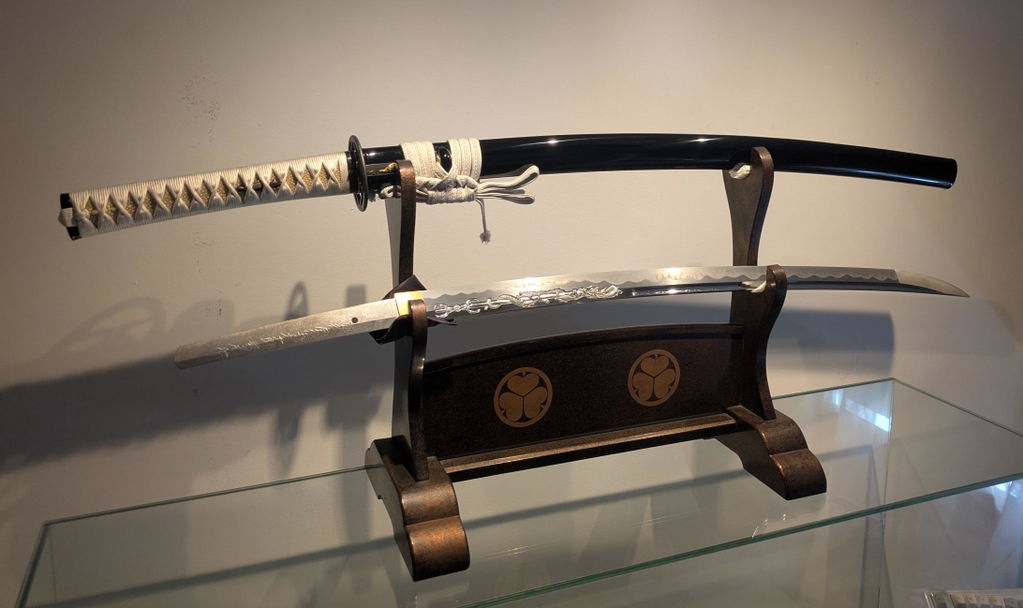
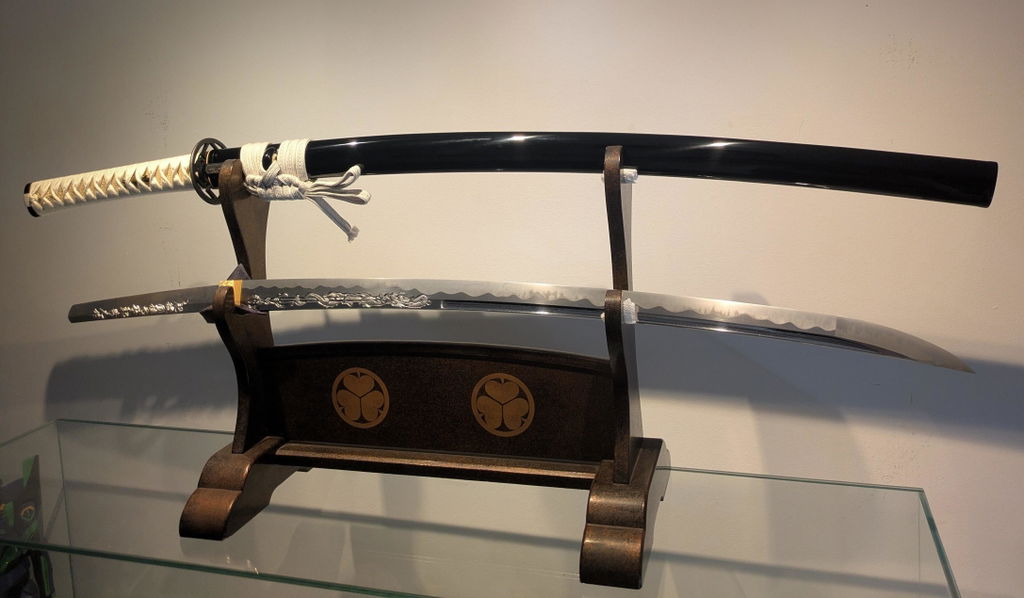
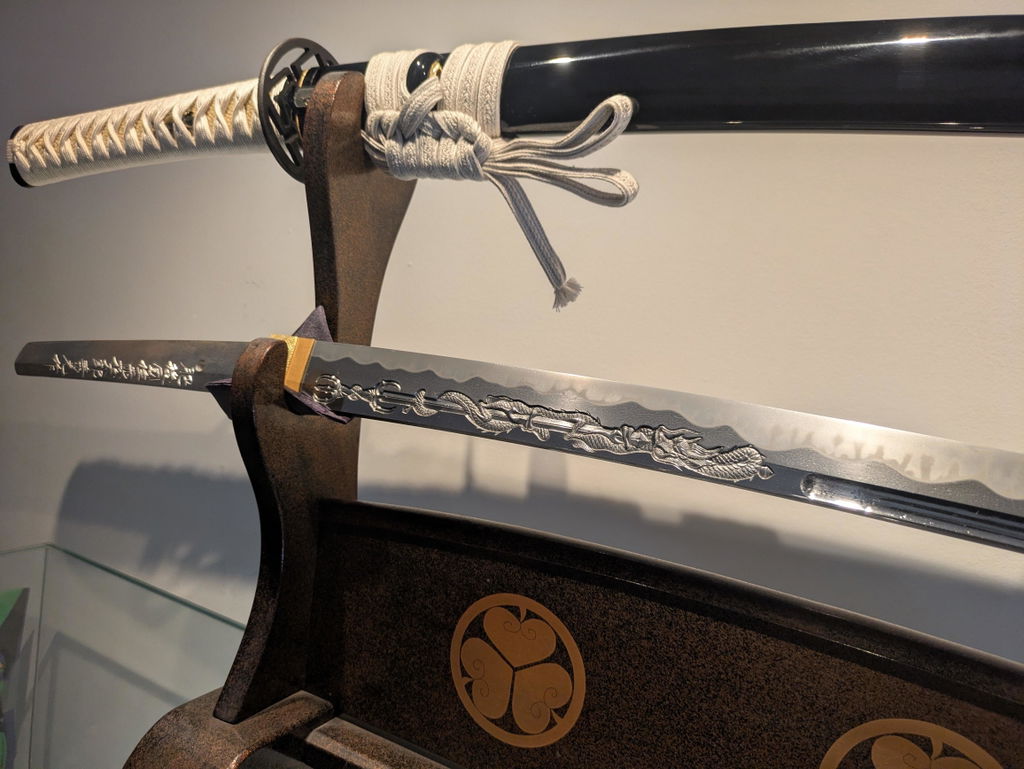
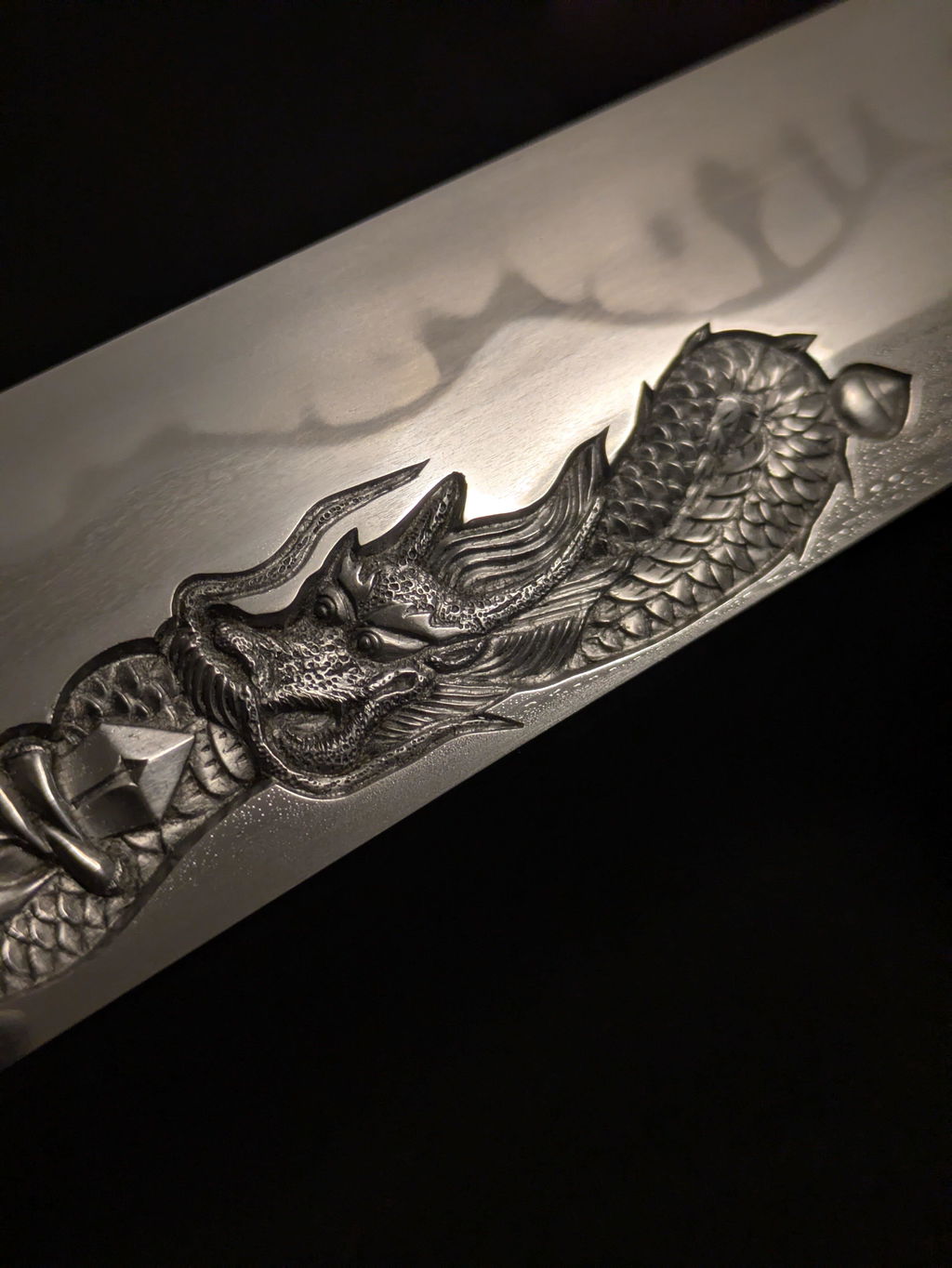
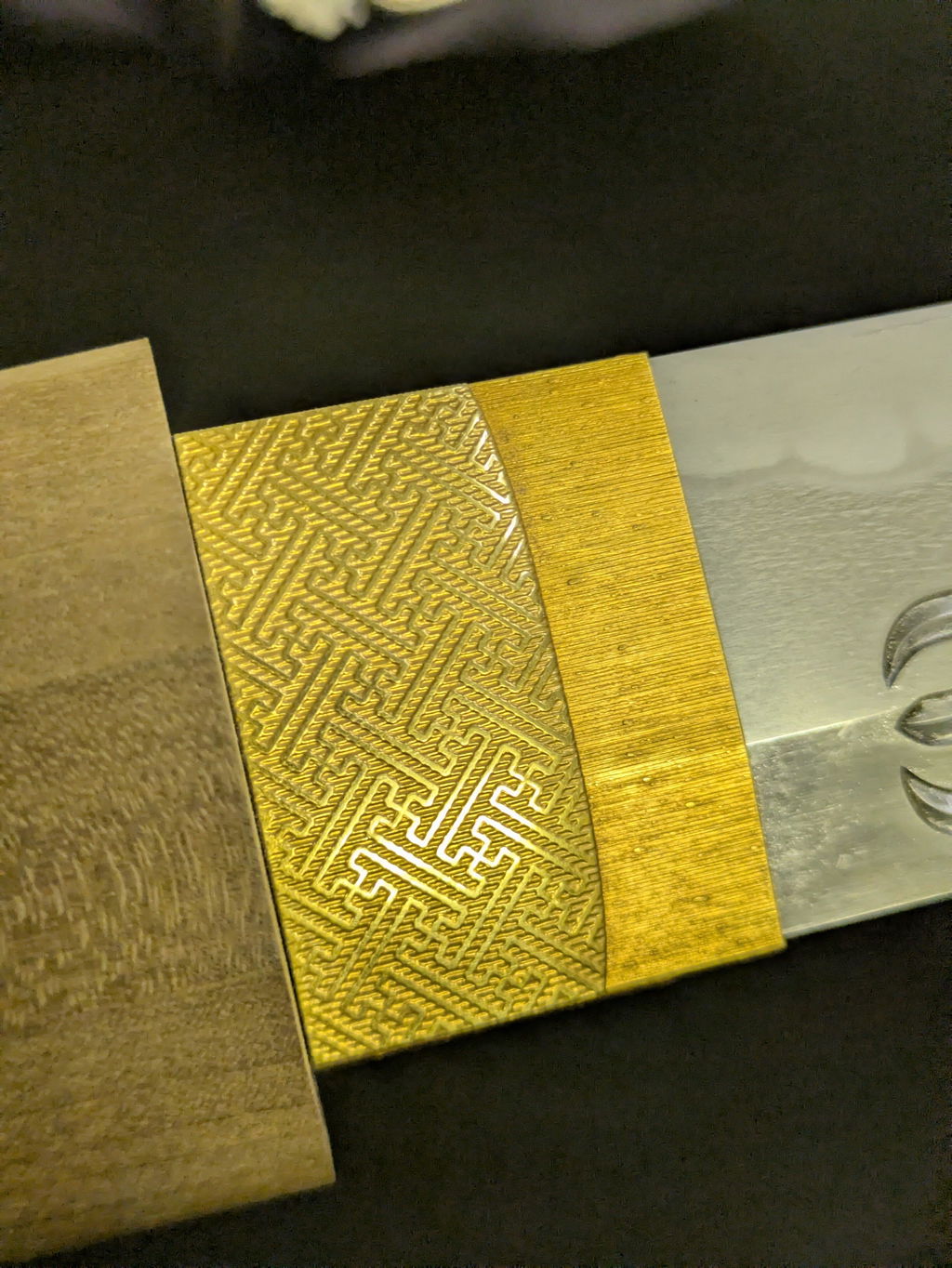
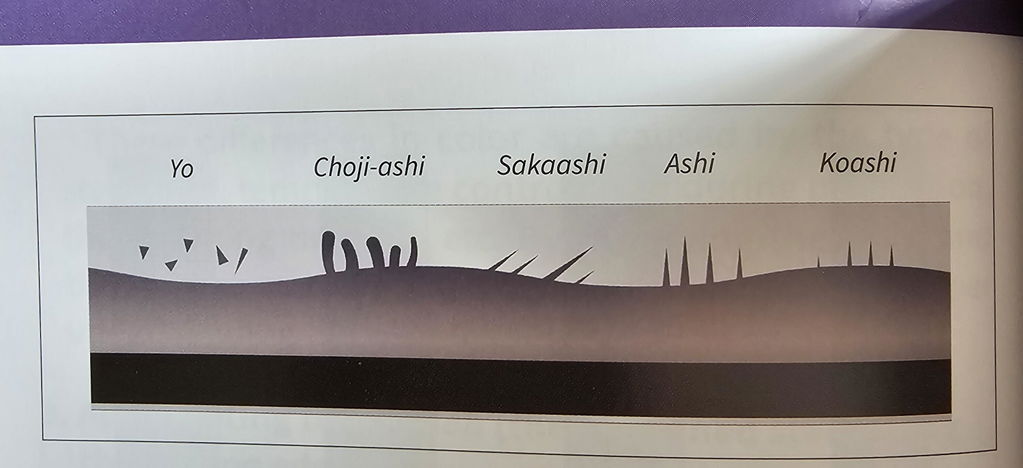
Freshly polished and nearly flawless. There is a patch of black rust about 16 mm long, roughly 17 mm up from the mune-machi, but both ground and edge are exceptionally sound — a superb condition wholly worthy of the Tokubetsu Hozon designation. The jigane shows the very essence of the Hizen tradition: a beautifully packed konuka-hada ("rice-bran skin") of clear, limpid beauty. The hamon, unlike the suguha seen in most of Tadahiro's works, is a gunome-midare made for a special custom order — making this an unusually rare example. Within the edge run chōji-ashi; along the bright, clear temper boundary appear sunagashi and kinsuji, uniting boldness with refinement in an overwhelming display. In places the returning temper leaps onto the mune, suggesting a form of hitatsura (full temper). The tang (nakago) is ubu and unaltered.
The nagasa exceeds 2 shaku 5 sun (about 76.6 cm) — a commanding long blade that perfectly preserves its original ubu form. Both motohaba and sakihaba are solid, the sori stands up beautifully, and the sheer impact and dignity felt when the sword is taken in hand are in a class of their own.
Ōmi Daijō Fujiwara Tadahiro was the second-generation head of the Hizen Tadayoshi house, one of the foremost lineages of the new-sword (shintō) era. After receiving the honorary title of Ōmi Daijō in Kan'ei 18 (1641), across a working career of some sixty years he raised the reputation of Hizen swords to an unshakable height — a master truly representative of the early Edo period. Ranked Shintō Jōjō-saku for quality and listed among the Ō-wazamono for cutting ability, he reigned at the summit of both beauty and practicality, and continues to captivate collectors to this day.
The sword is accompanied by a period mounting whose saya glimmers with fine particles of blue shell (aogai) scattered in deep black lacquer, dressed with high-grade metal fittings, menuki and fuchi-kashira. The hilt is finished in maki-same style, with the characteristic nodules of the ray skin (oyatsubu) polished out from within the lacquer so that they sparkle like stardust as the light shifts — a treatment that far transcends mere grip, boasting outstanding prestige and beauty. The tsuba is an artistic openwork piece bearing the auspicious pine and plum and elegant patterns; the menuki take the form of dragons; and the care lavished on every detail of the fuchi-kashira and hilt makes this a luxurious, top-grade period koshirae.
Satō Kanzan, through his exceptional connoisseurship and immense knowledge, appraised countless National Treasures and Important Cultural Properties as well as masterworks handed down in daimyō families nationwide. In the sword world, the presence of a Kanzan sayagaki (scabbard inscription) serves as a supreme guarantee of a blade's authenticity and artistic value — an ultimate mark of prestige for the collector.
A supreme masterpiece: a commanding, over-2-shaku-5-sun ubu blade tempered with a custom-order gunome-midare rare for Tadahiro, accompanied by an NBTHK Tokubetsu Hozon certificate, a sayagaki by Dr. Satō Kanzan, and a beautiful aogai-scattered period koshirae — a sword fully worthy of heading any collection.
¥1,100,000 ¥1,150,000

¥200,000 ¥240,000

¥400,000 ¥430,000

¥390,000 ¥410,000

¥270,000 ¥290,000

¥300,000 ¥330,000


Every blade reflects generations of knowledge, discipline, and precision passed down through traditional Japanese swordmaking. From the forging of steel to the final finishing touches, each piece is shaped with patience, mastery, and deep respect for heritage.

From carefully selected materials to the refined finishing of every surface, each sword is crafted and presented with uncompromising attention to detail. Our commitment to authenticity ensures every piece reflects true tradition, lasting quality, and enduring cultural value.

Designed with balance, simplicity, and purpose, our blades embody the harmony between refined form and skilled craftsmanship. Each sword represents a thoughtful union of strength, elegance, and the timeless discipline of Japanese artisans.