Katana Blog
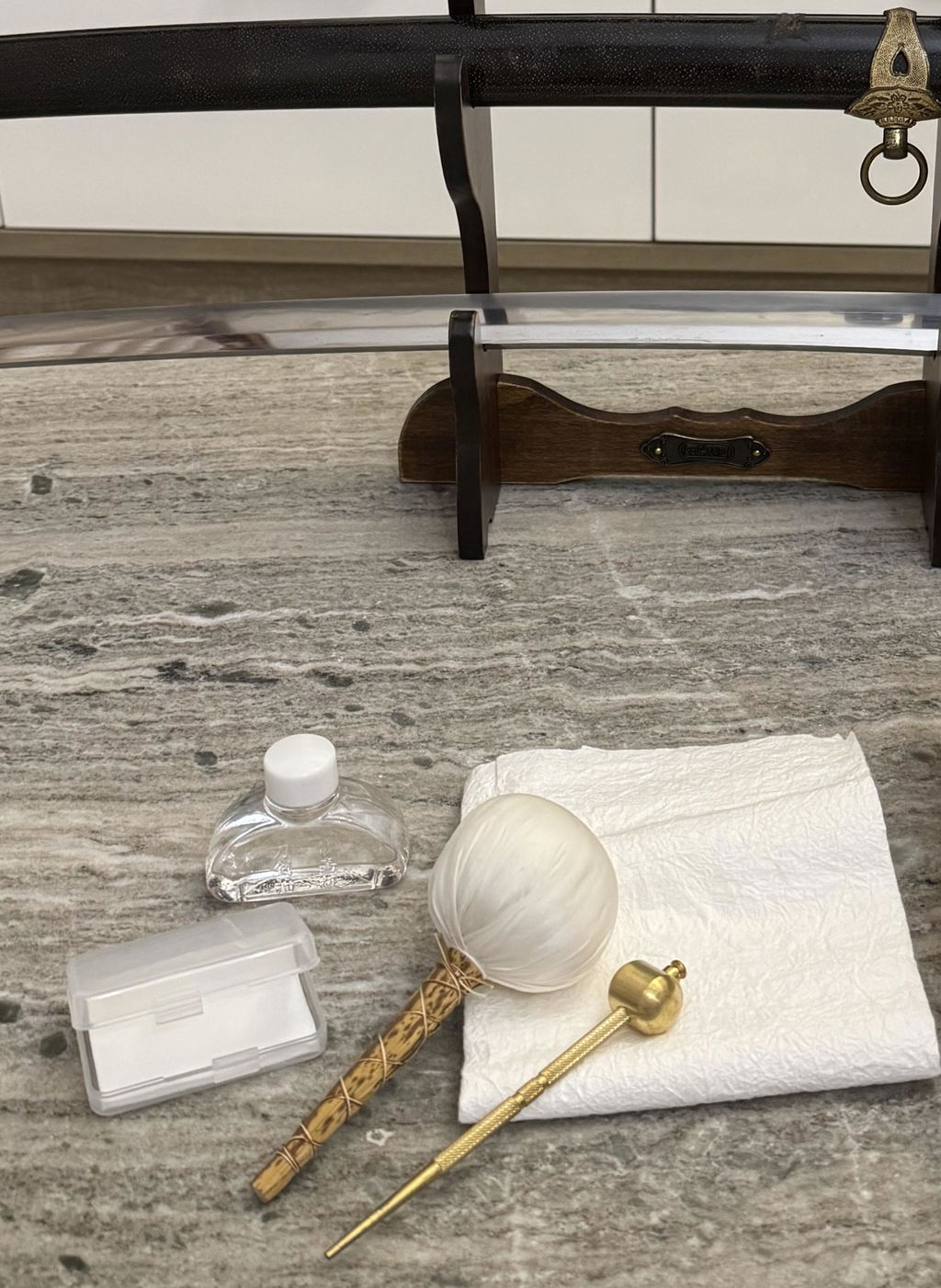
A Japanese sword arriving at your home in Los Angeles, London, or Sydney has travelled from one of the most carefully controlled collecting environments in the world into conditions it was never designed for. Western homes — centrally heated in...
Japanese Sword Care for International Collectors — Humidity, Climate, and Storage Tips
A collector in Melbourne paid $8,000 for an authentic nihonto, stored it for six months in a display case from a local home goods store, and discovered that the lacquered saya had developed cracks from humidity fluctuations. The blade itself...
The Nihonto Pilgrim's Guide — Japan's Greatest Sword Museums and What You'll Find Inside
There is no substitute for standing in front of a genuine nihonto. Photographs capture the surface; they cannot convey the depth of the hamon, the three-dimensional shimmer of the jihada, or the absolute stillness of a blade that has survived...
Tachi, Katana, Wakizashi, Tanto — A Complete Guide to Japanese Sword Types and How to Choose
Most people can name a katana. Far fewer can explain why a tachi is carried edge-down, or what distinguishes a wakizashi from a tanto beyond length alone. And almost nobody outside Japan knows that the four main sword types were...