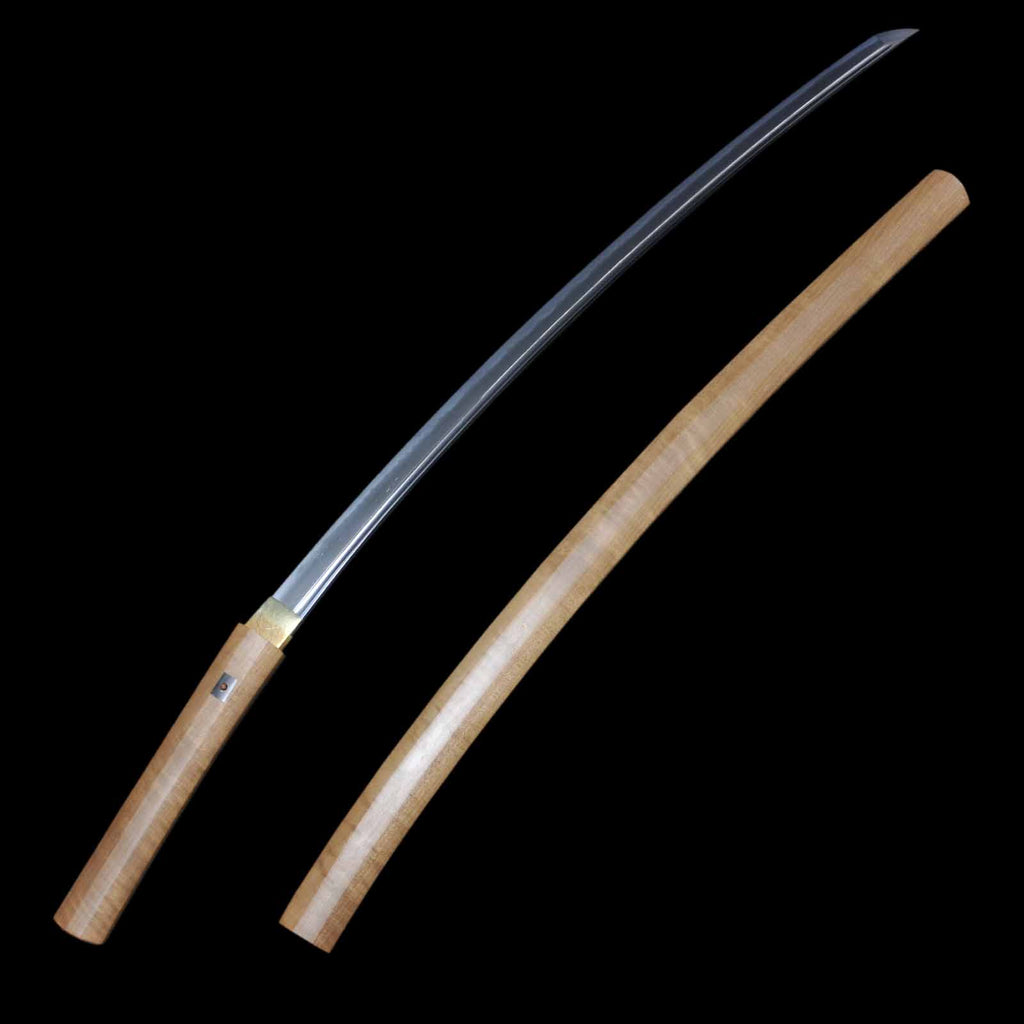
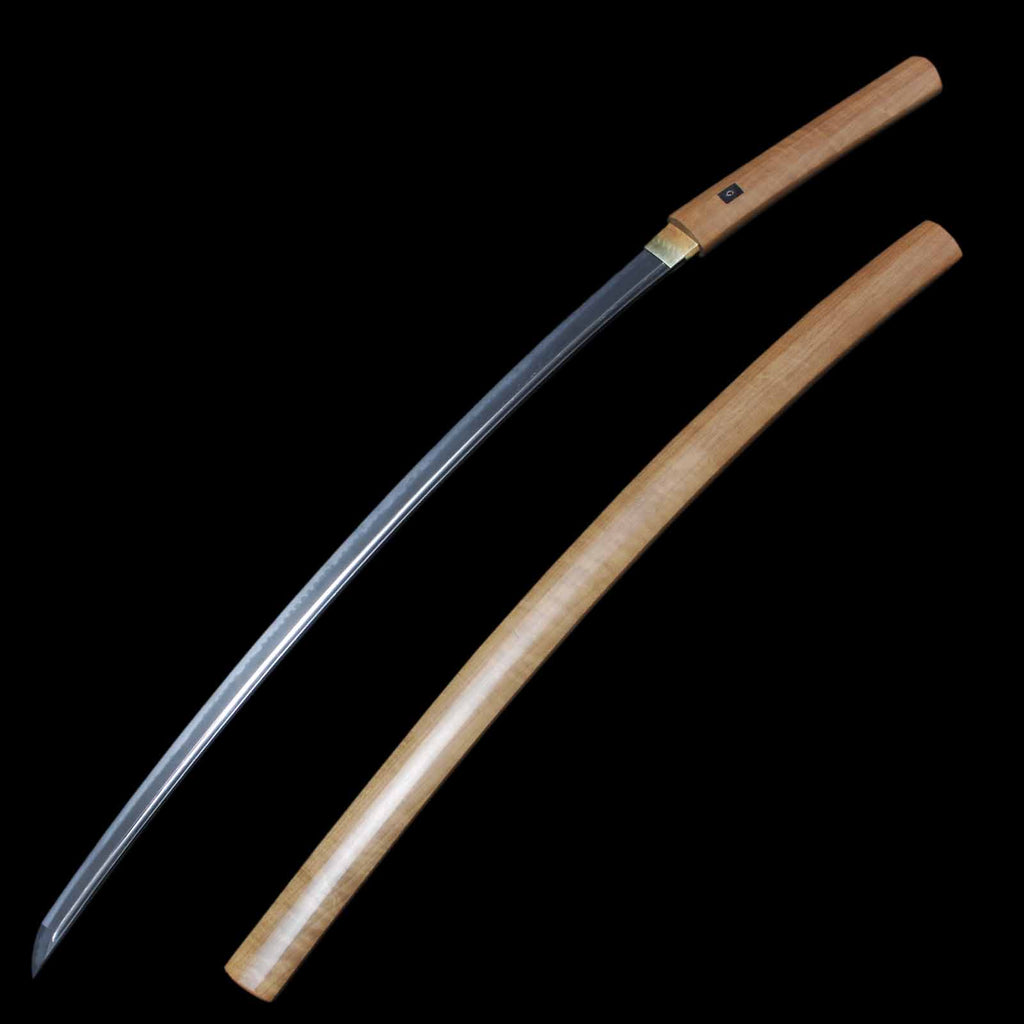
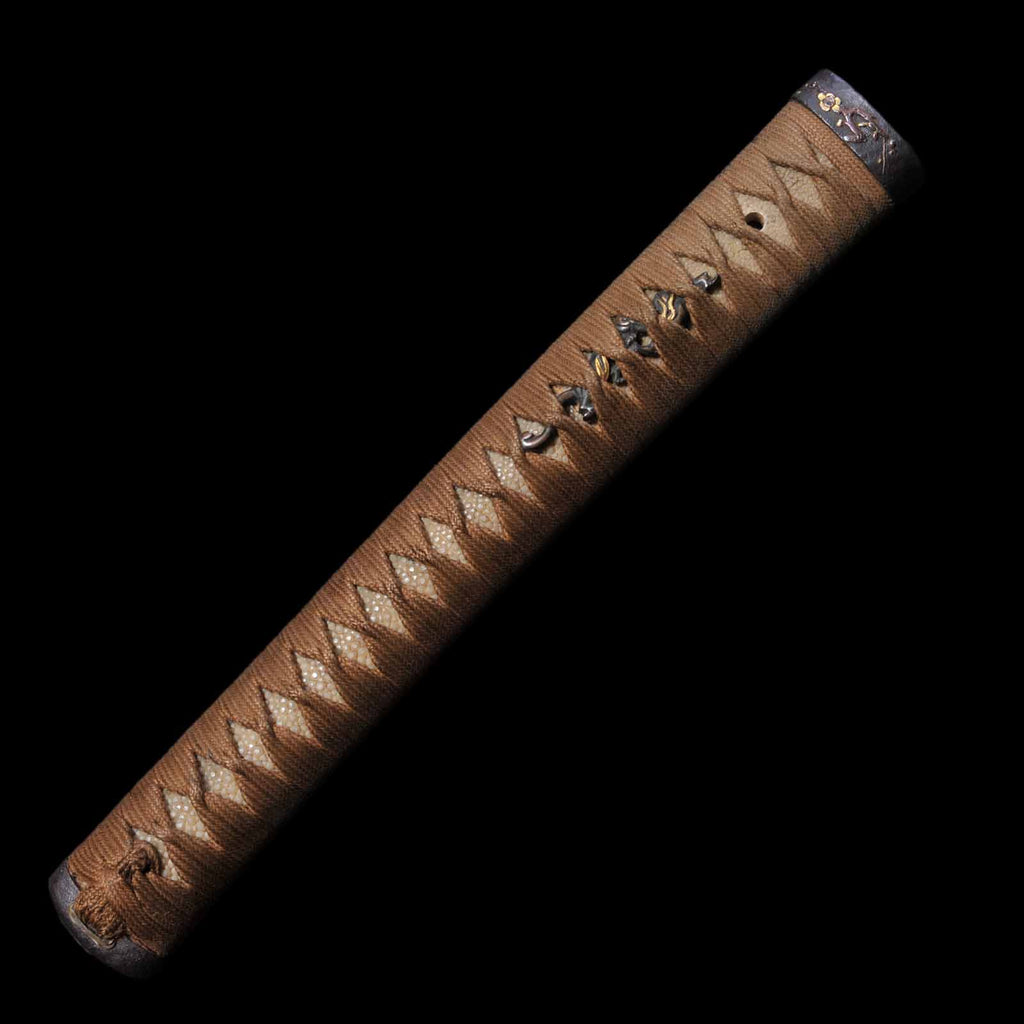
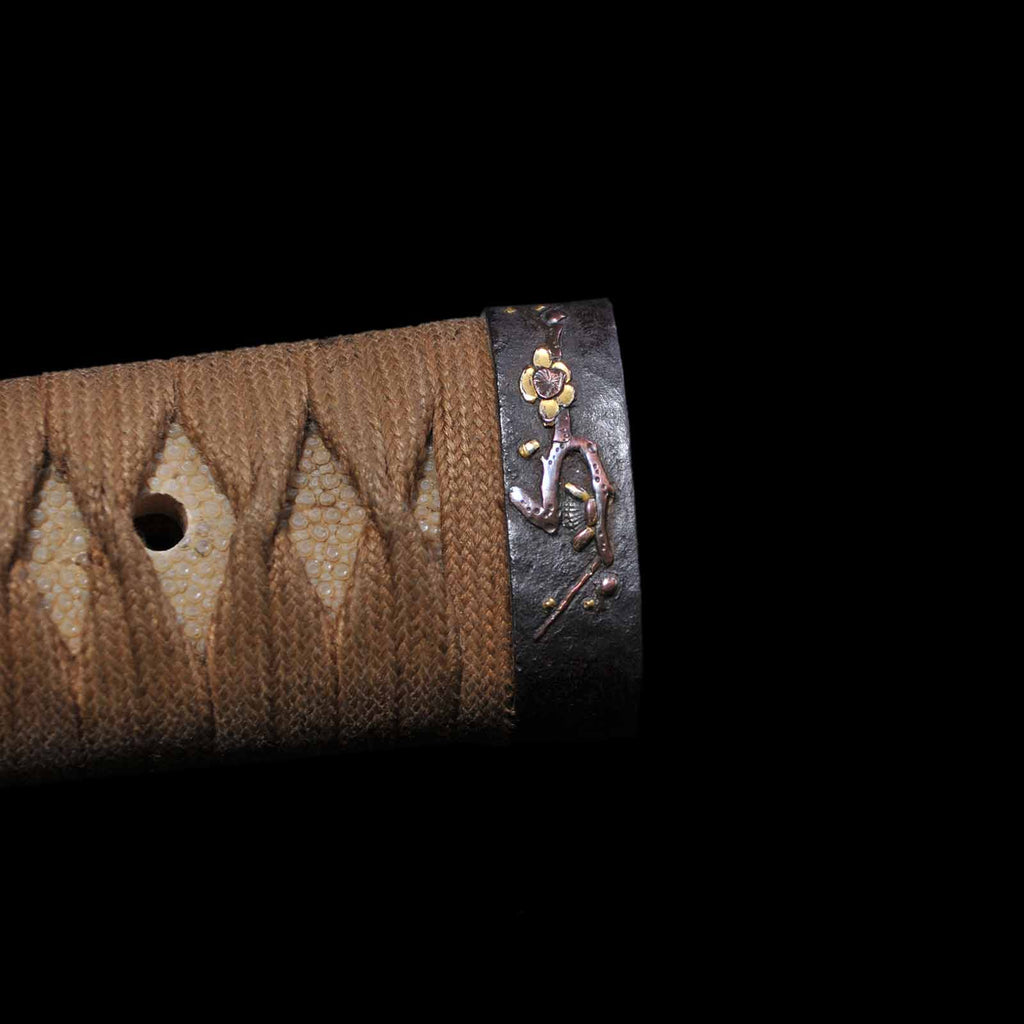
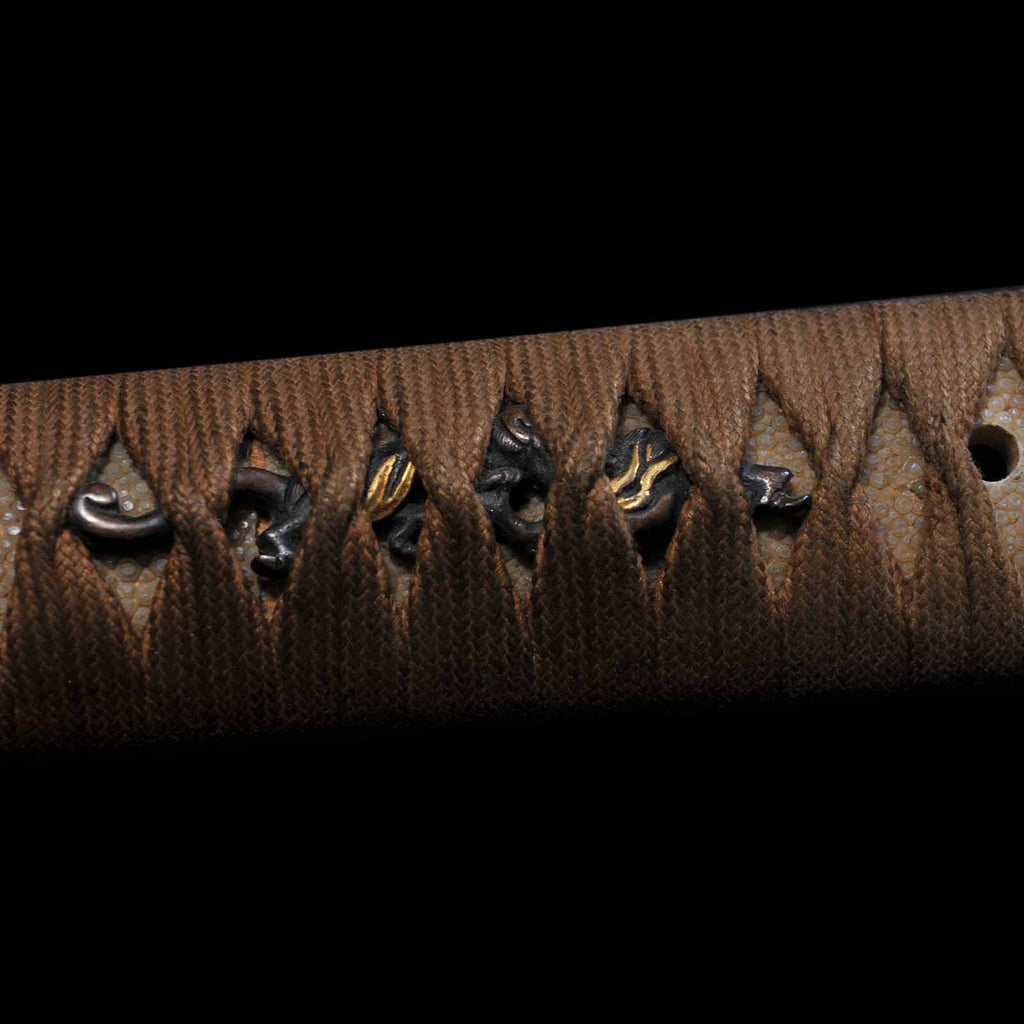
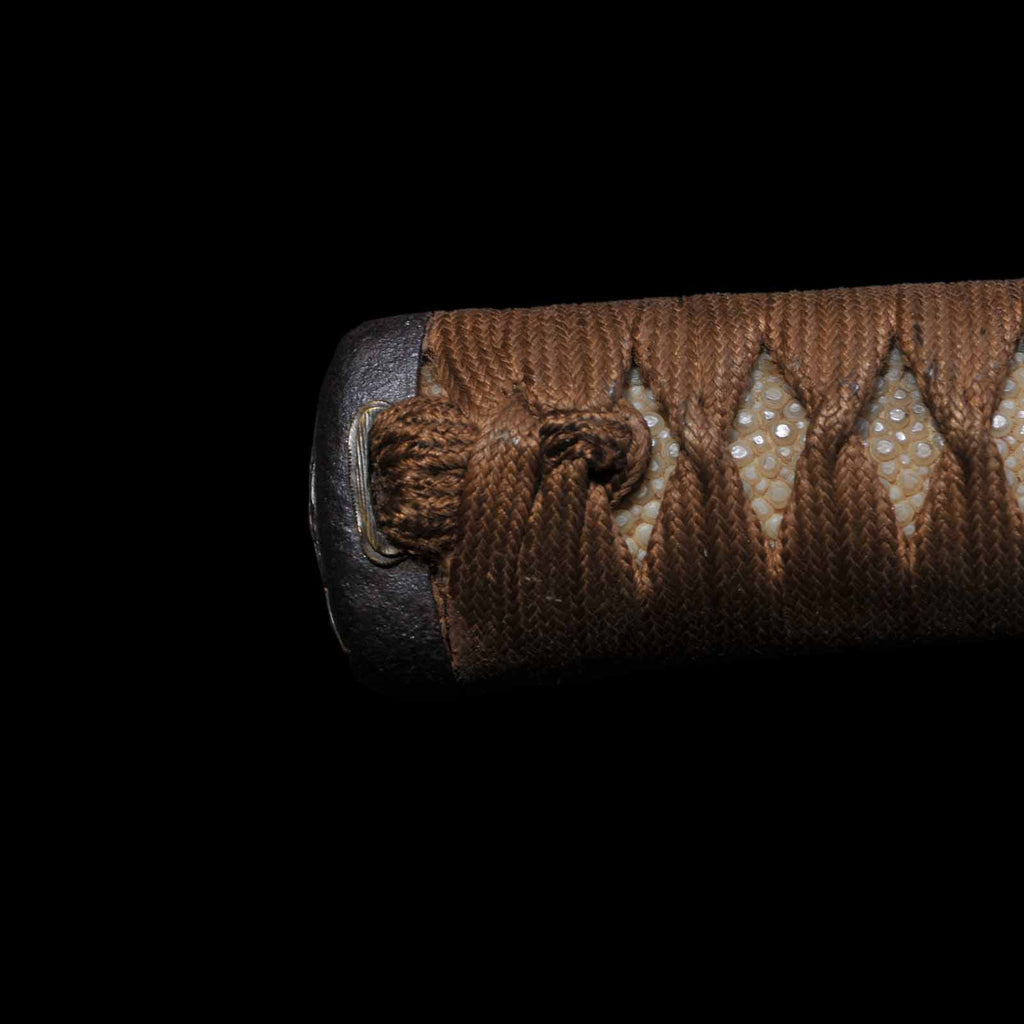
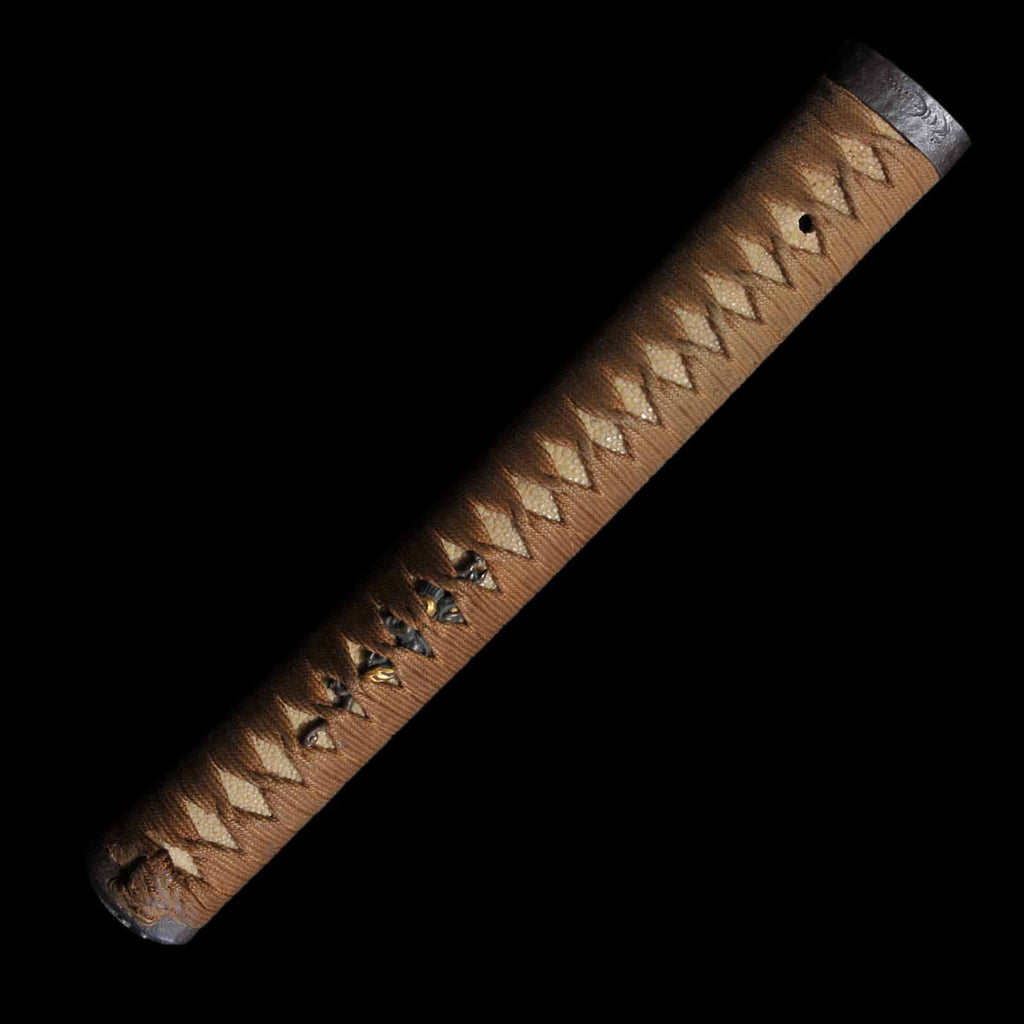
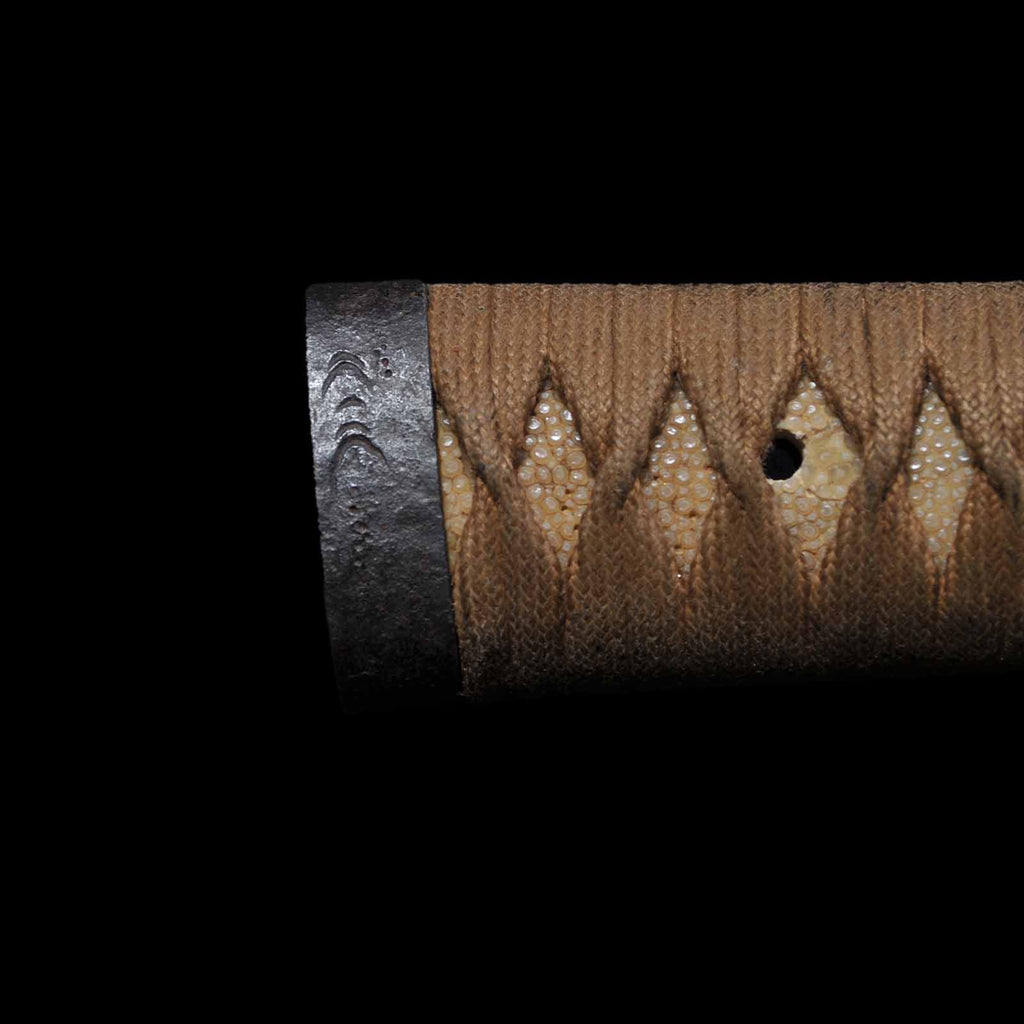
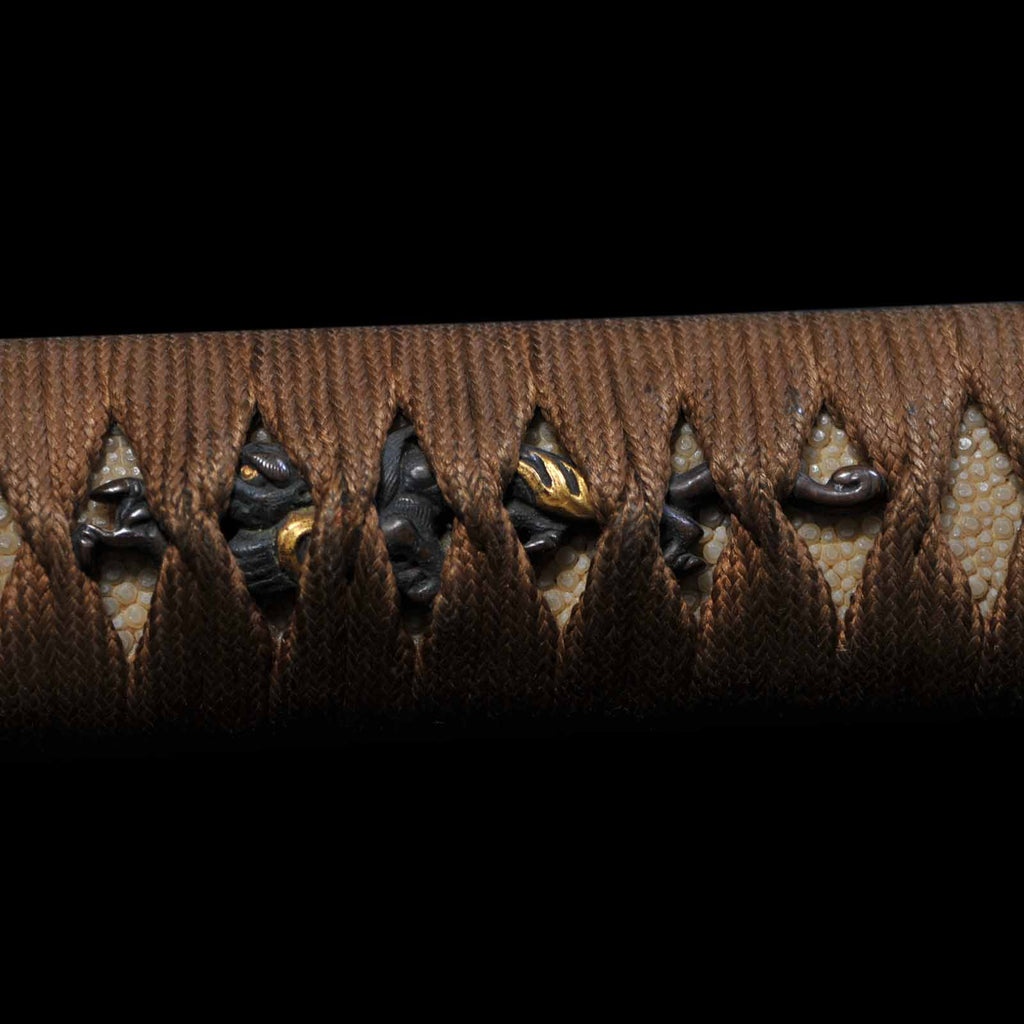
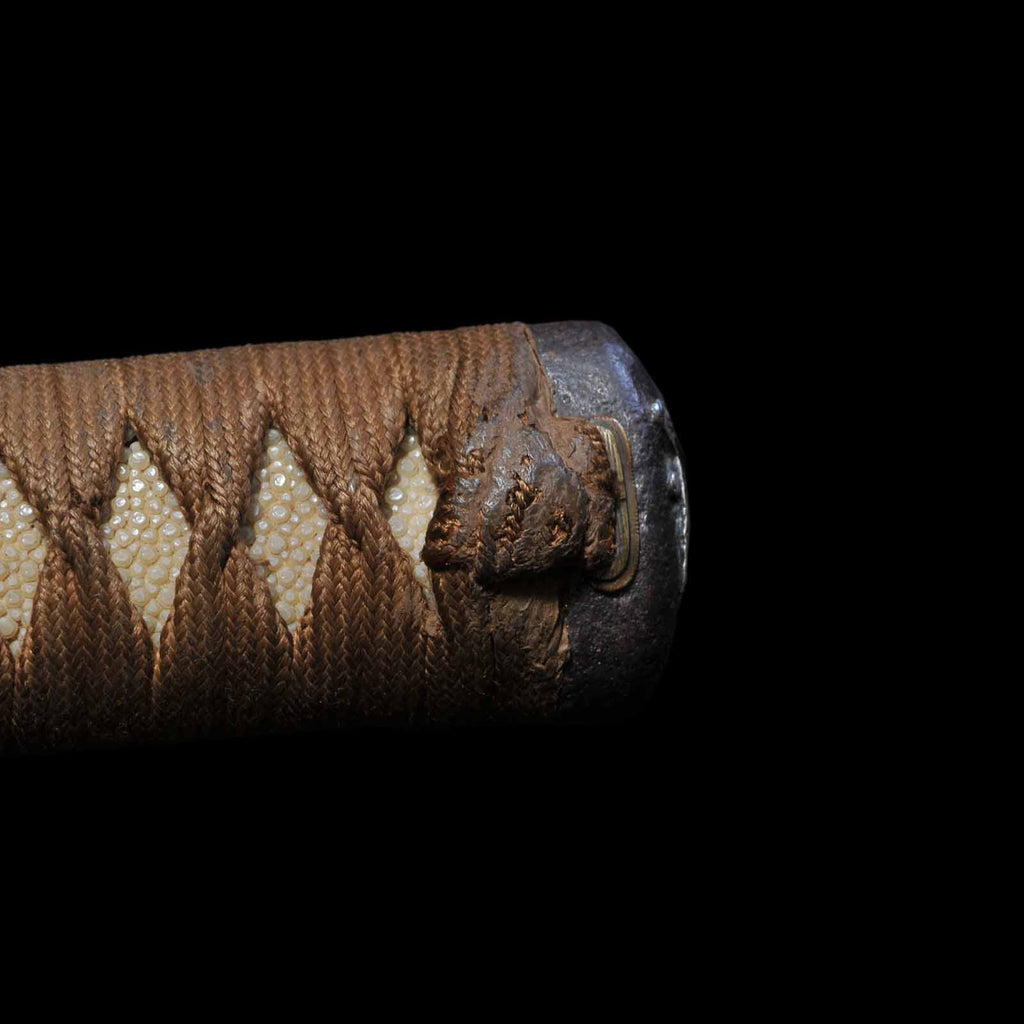
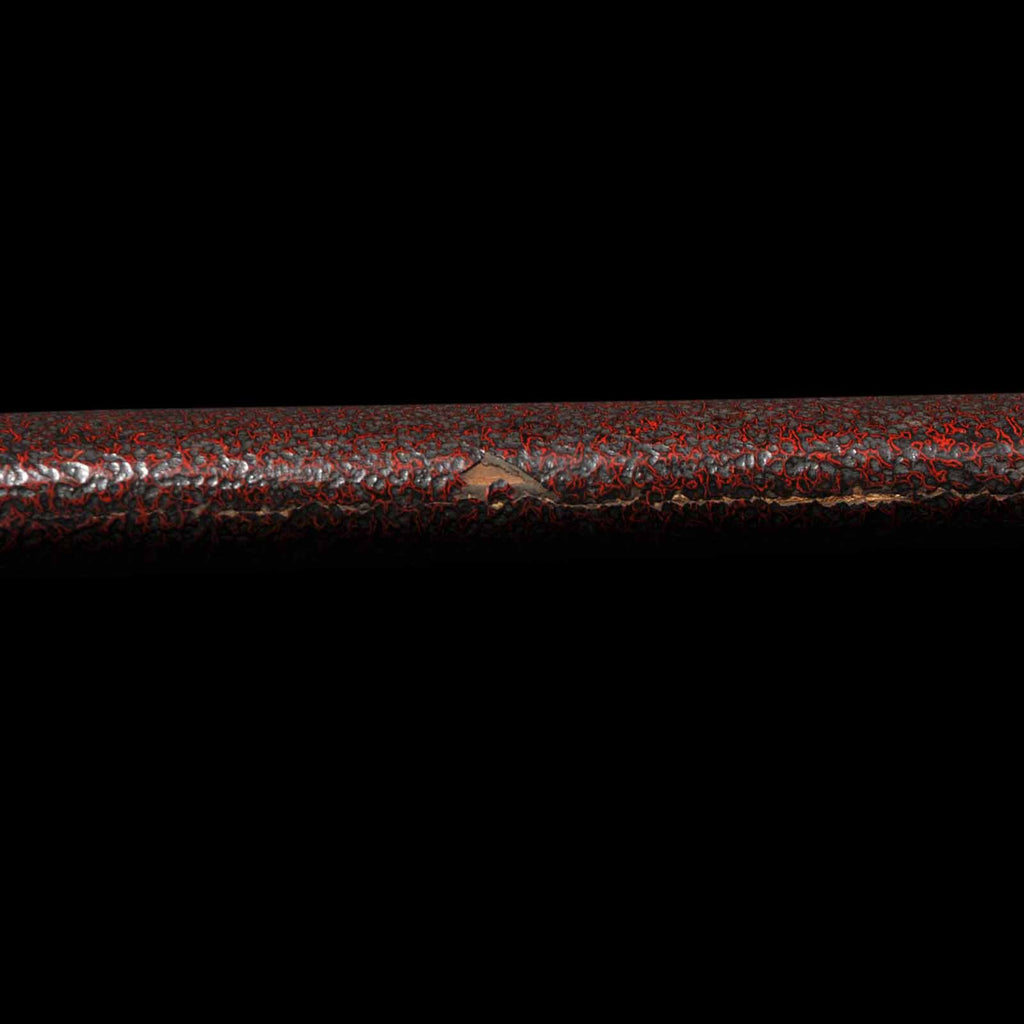
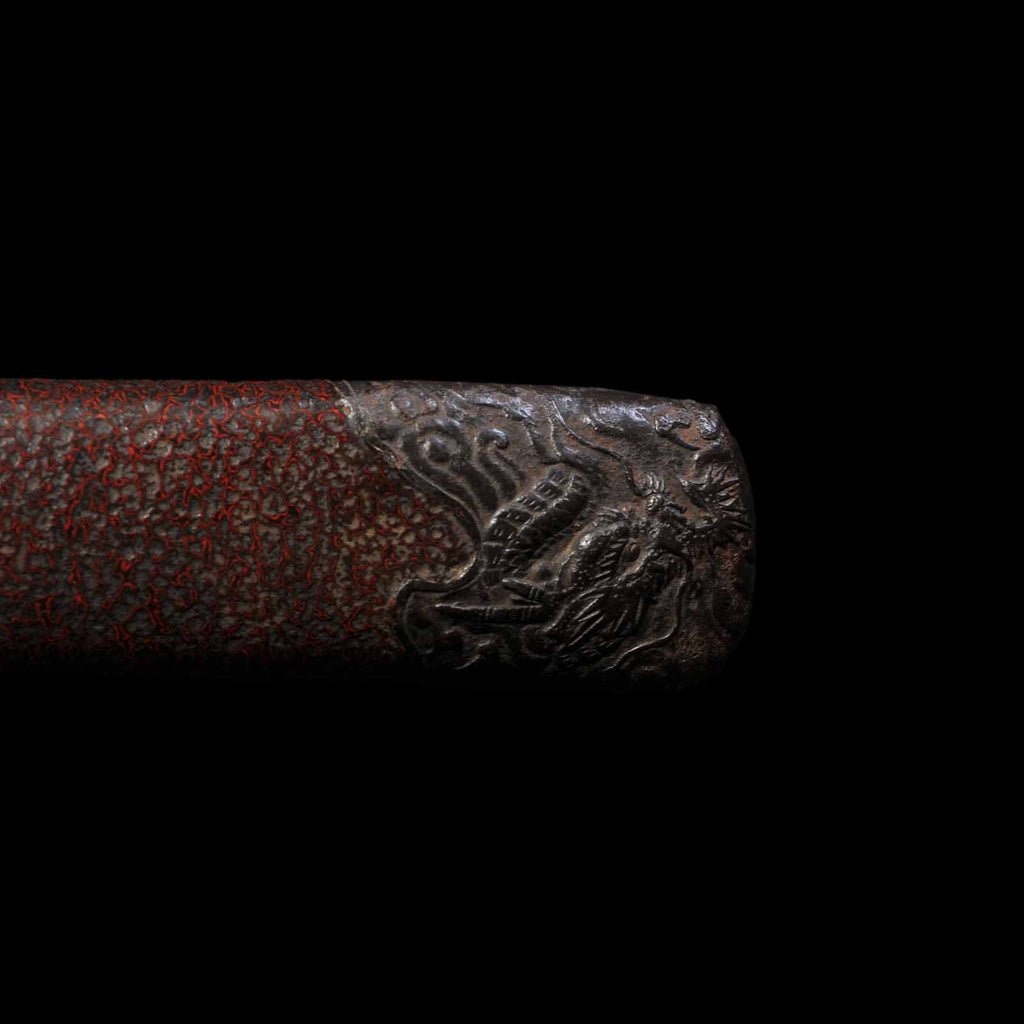
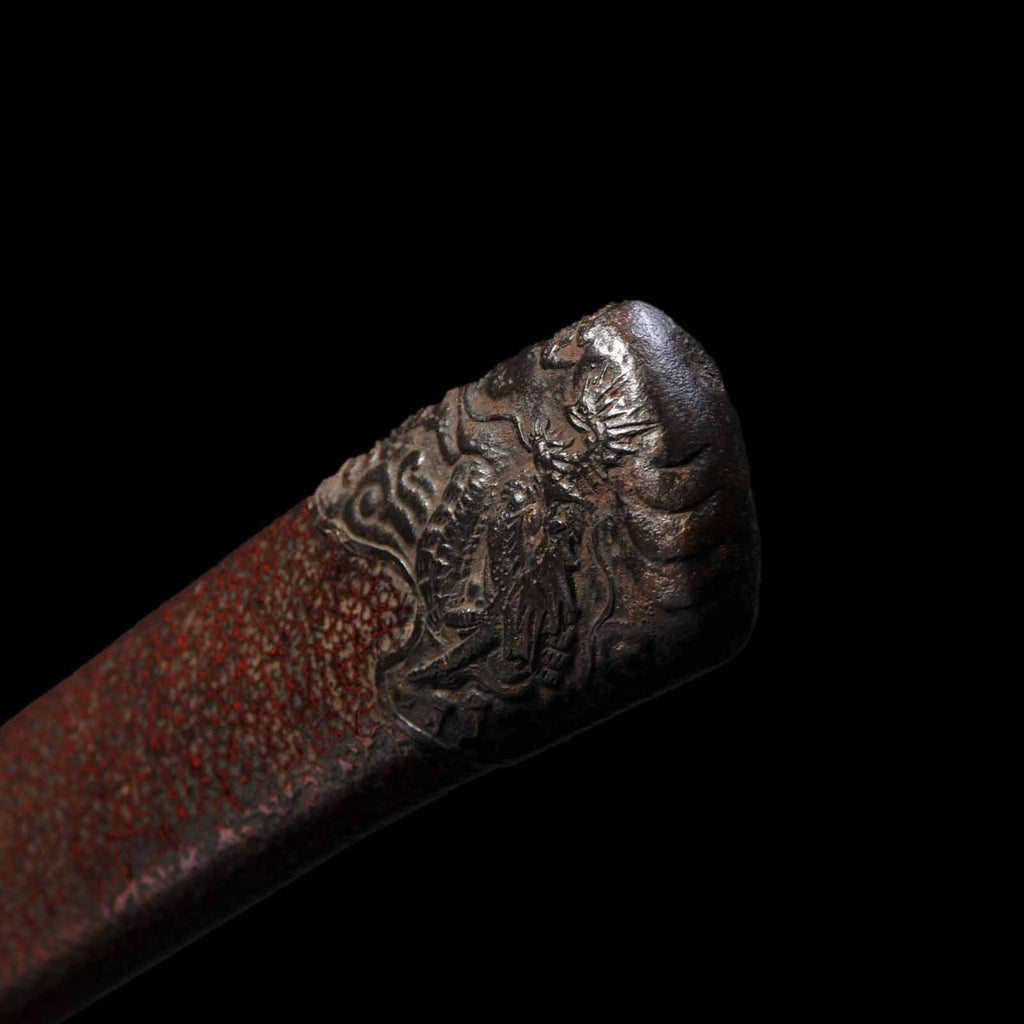
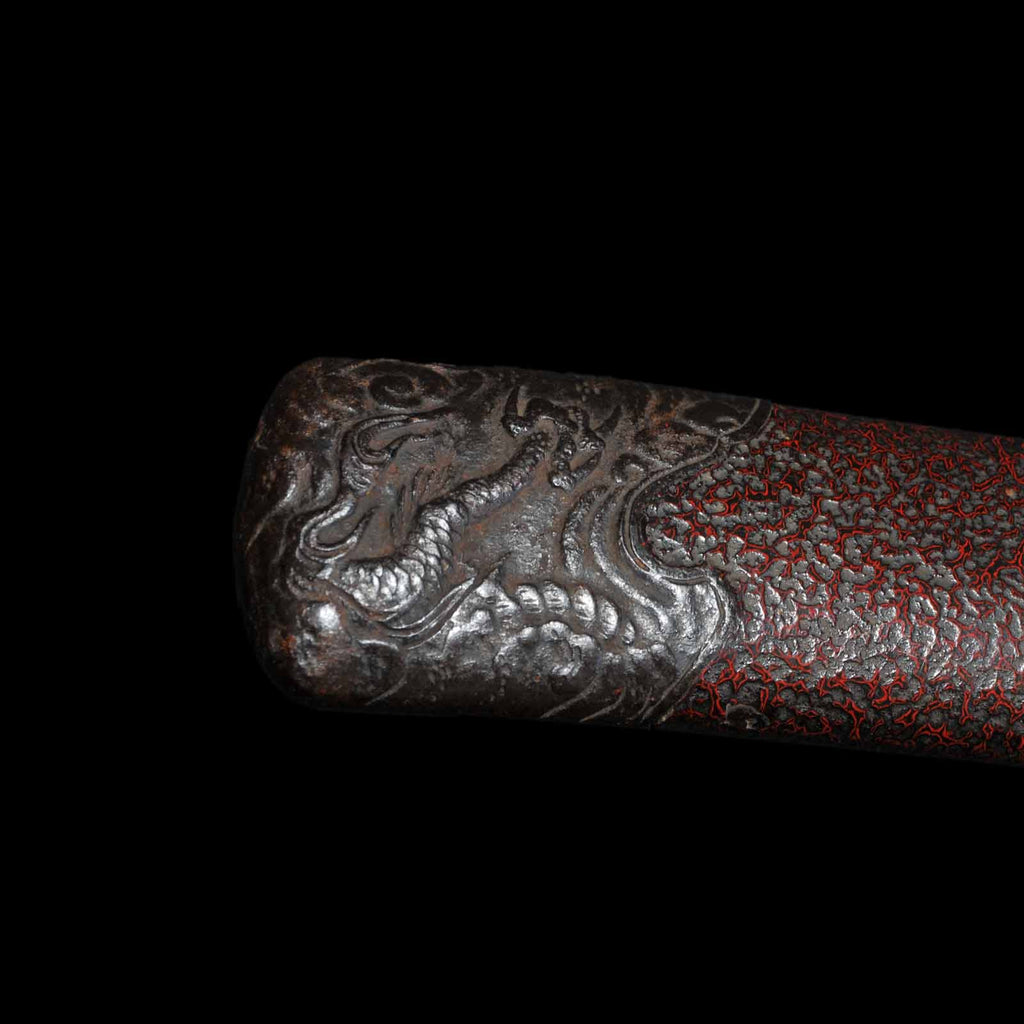


This blade has been acquired. Discover other exceptional swords currently available in our collection.


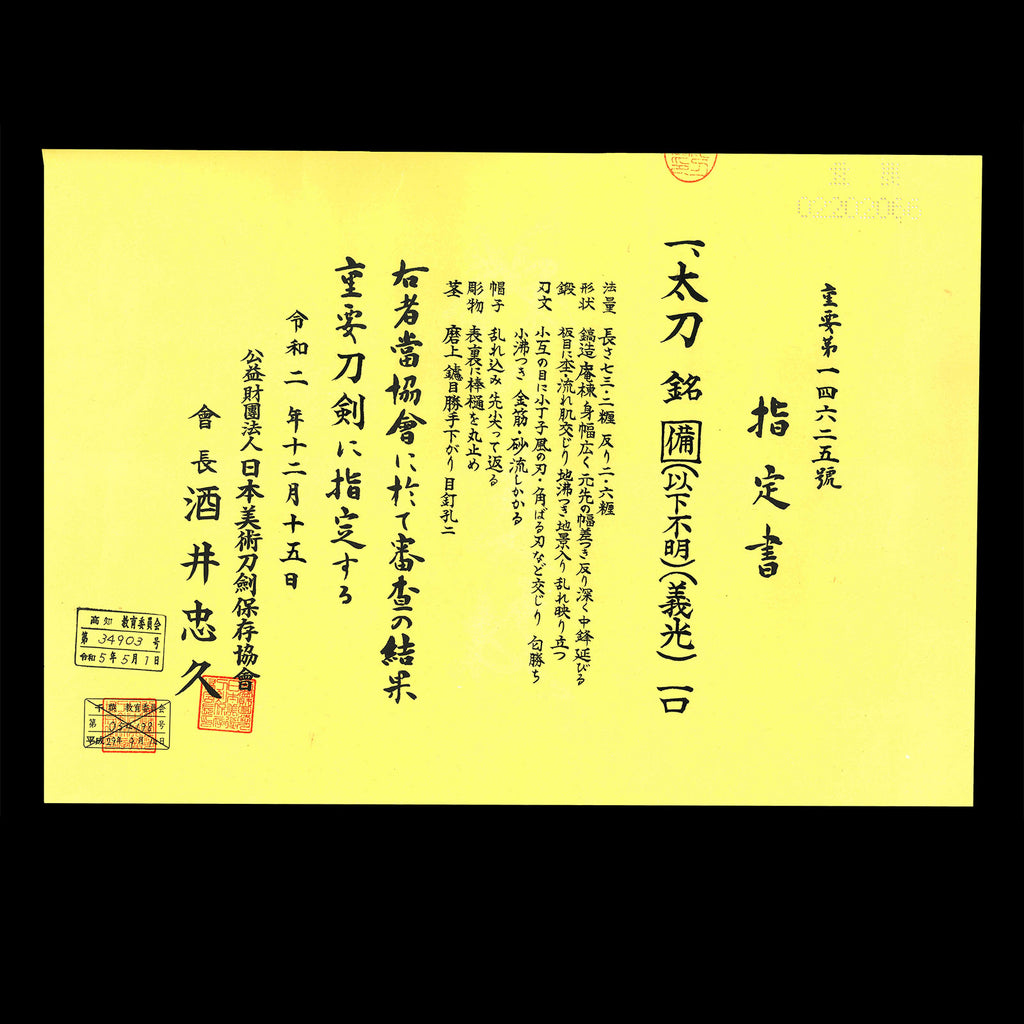
Tozando is pleased to announce the arrival of a very fine piece of art. The Society for Preservation of Japanese Art Swords designated this piece as very important for its state of preservation and value as a work of art, and issued a certificate of Juyo Token in 2020.
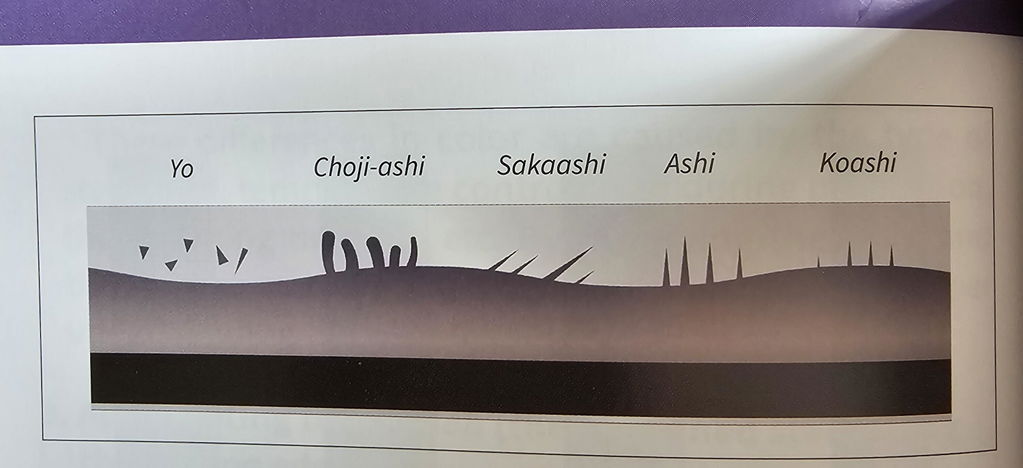
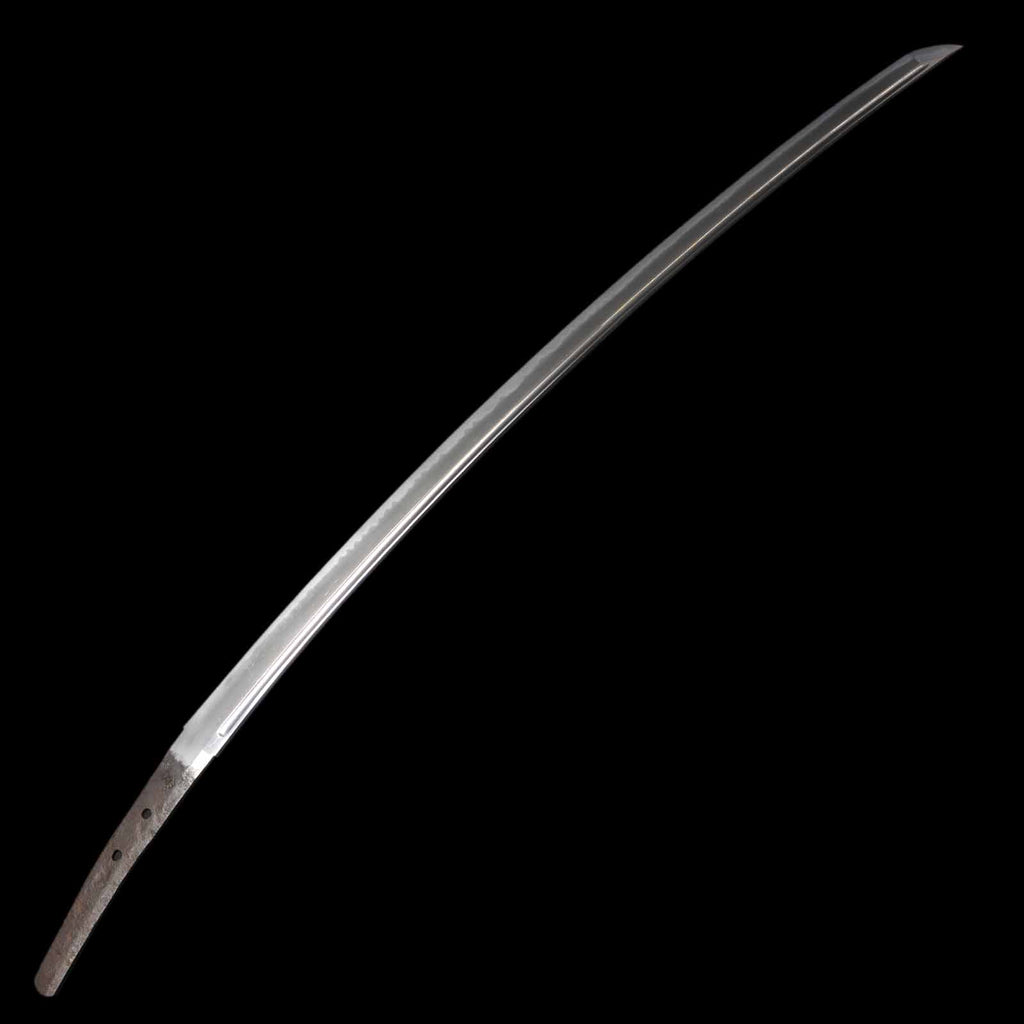
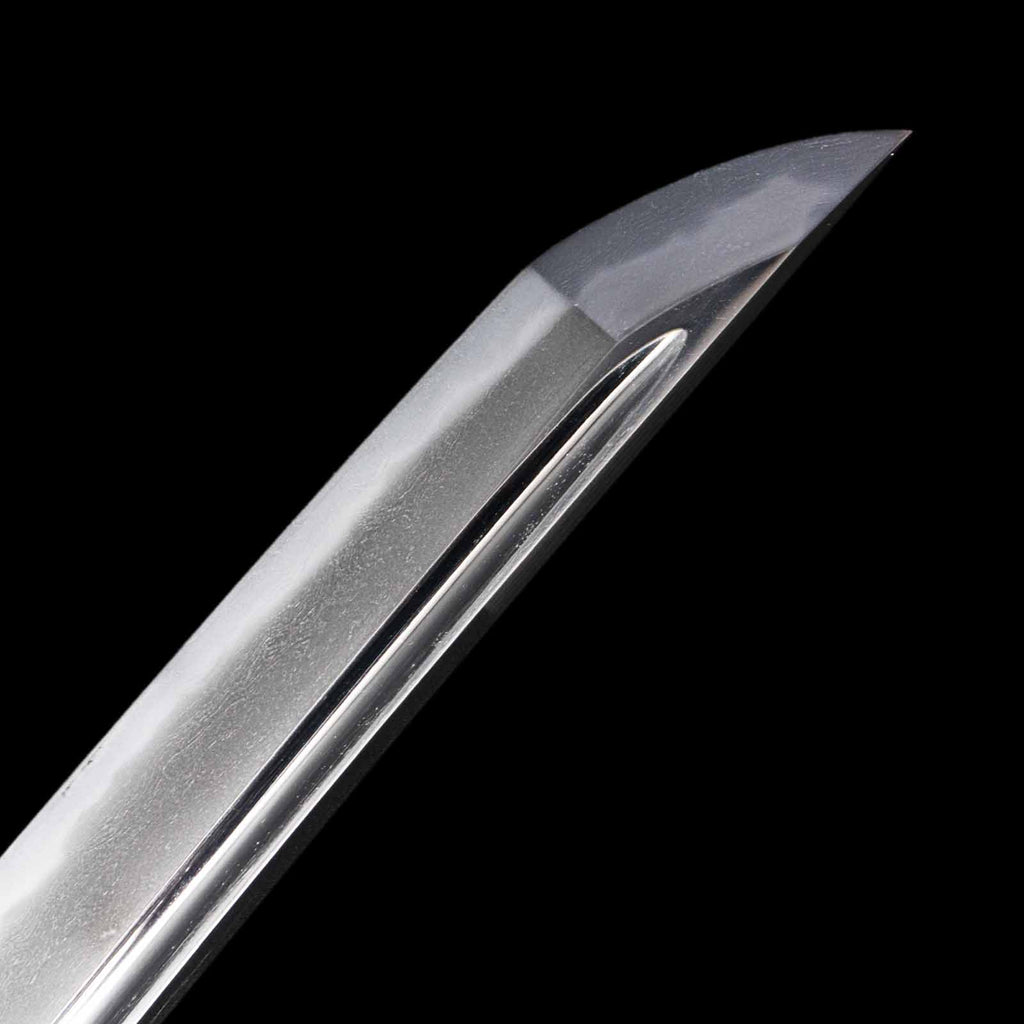
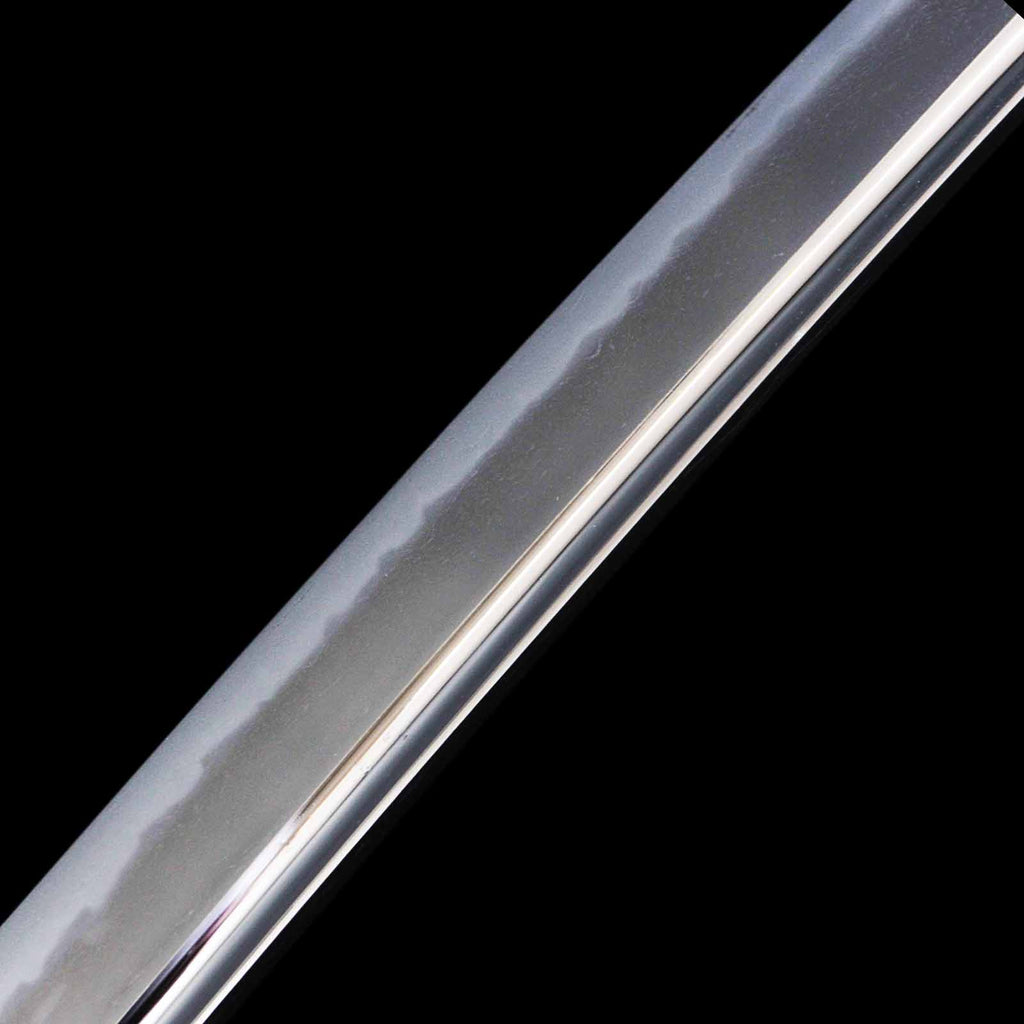
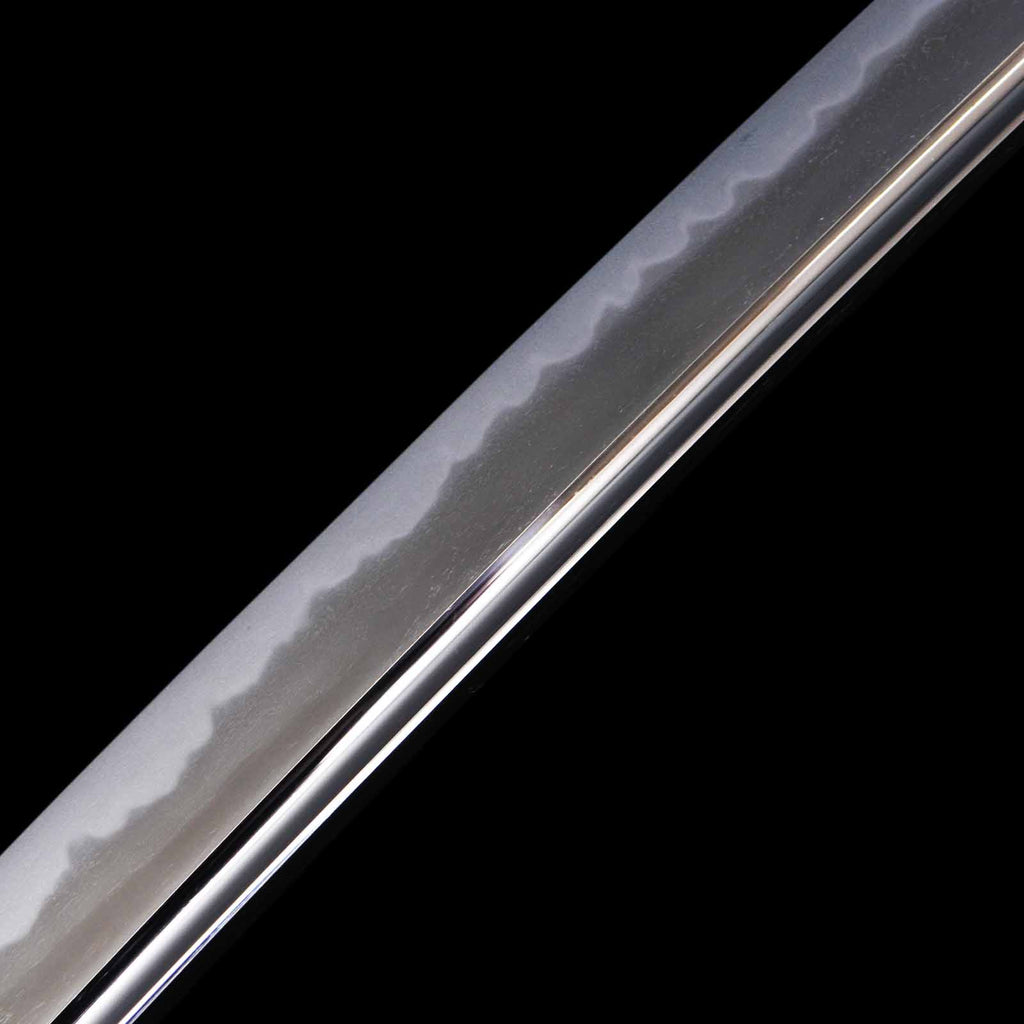
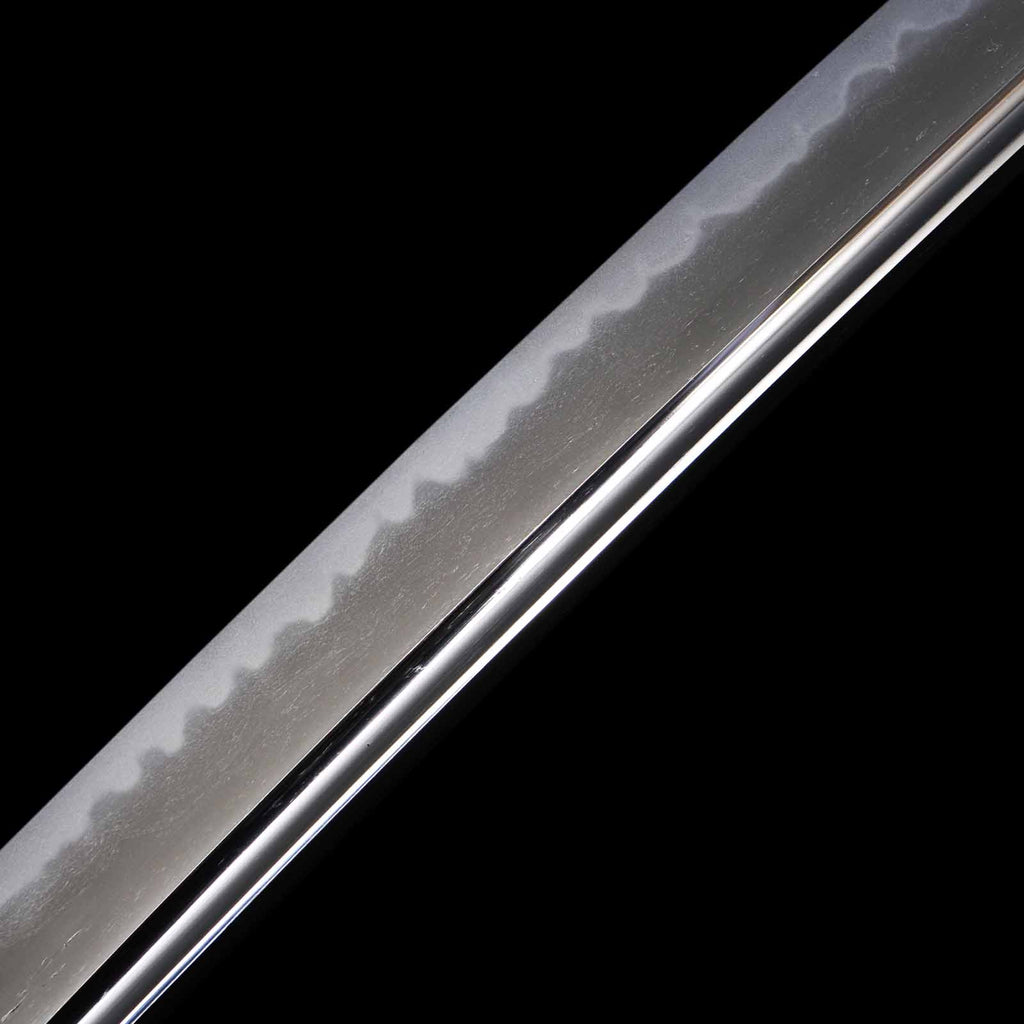
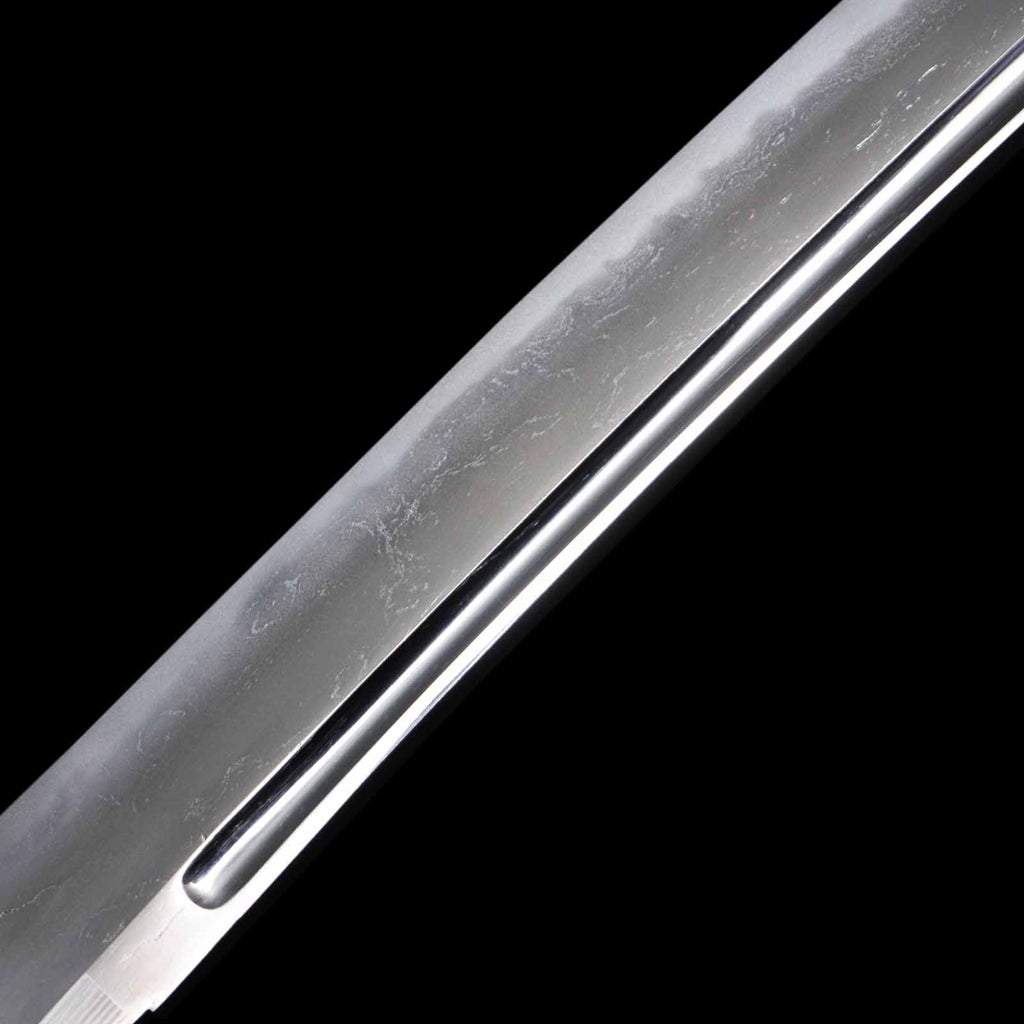
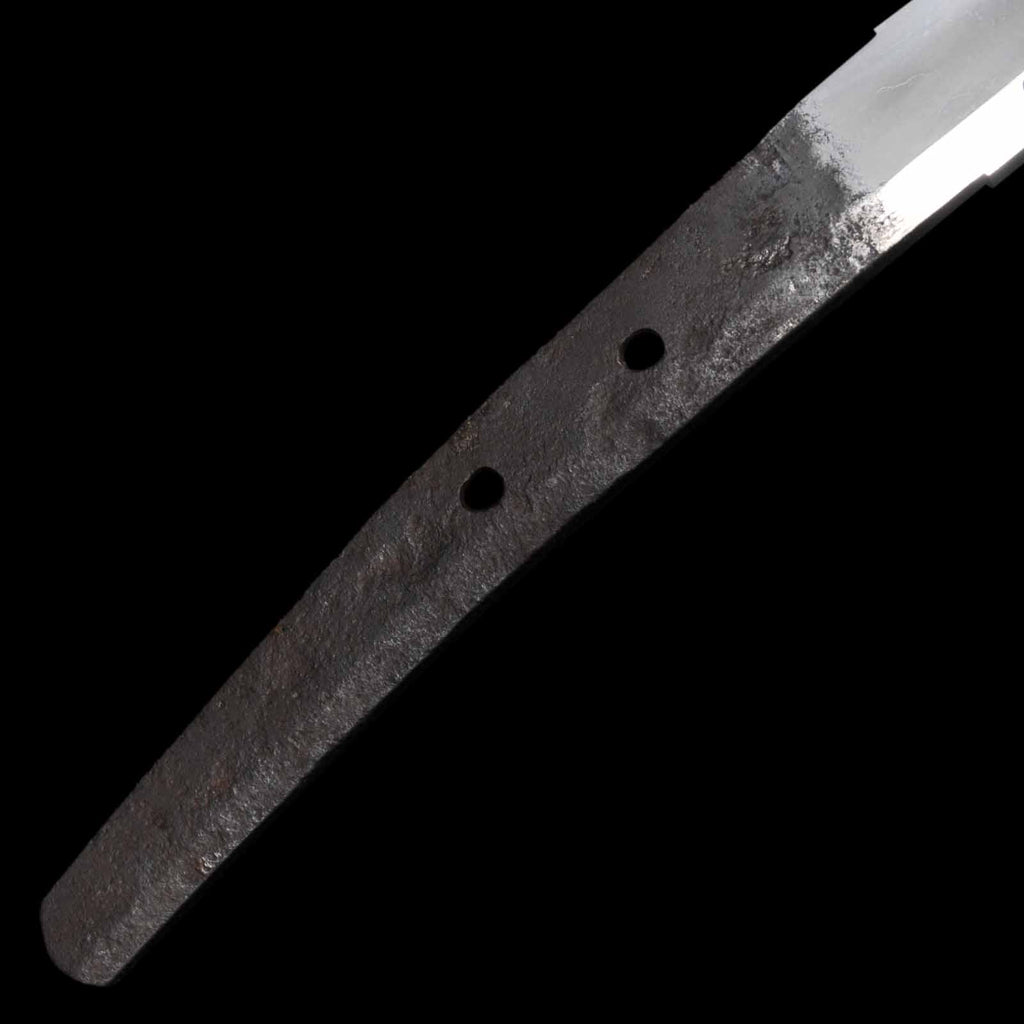
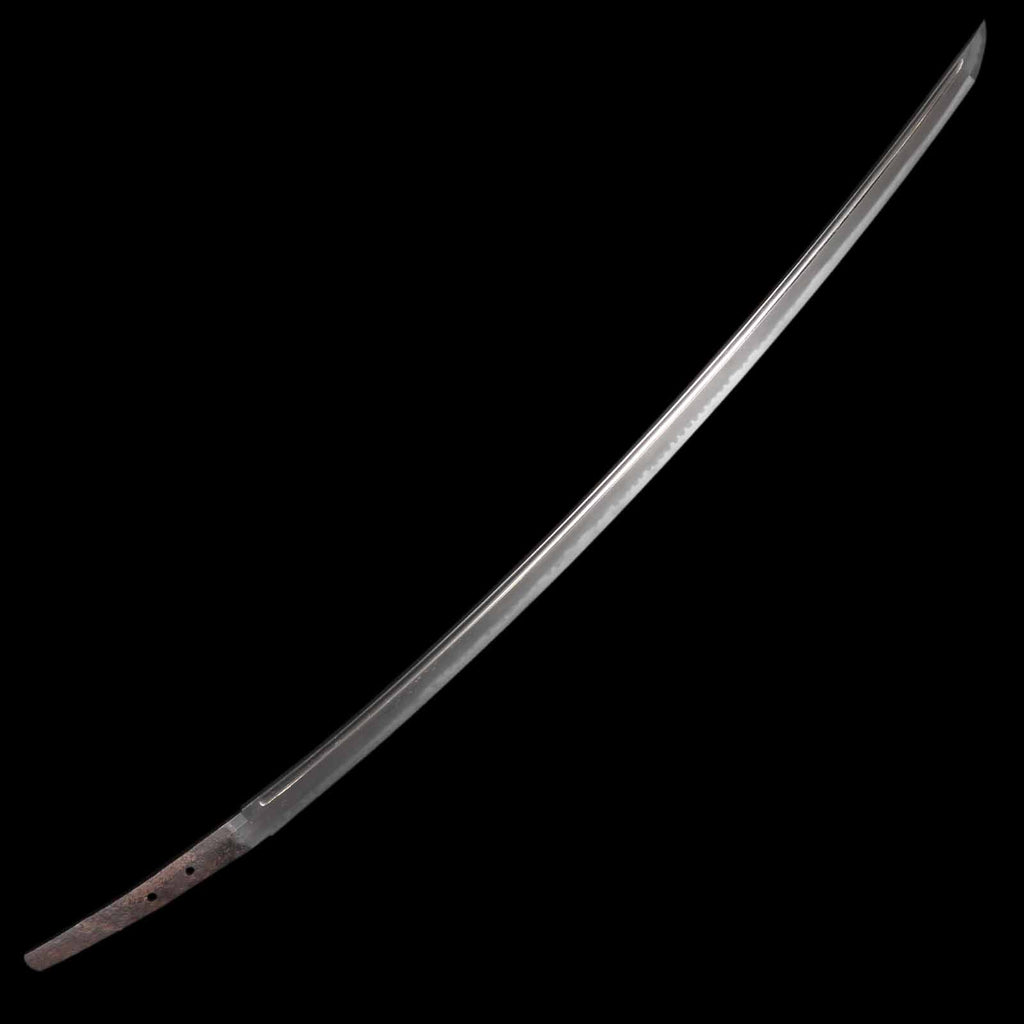
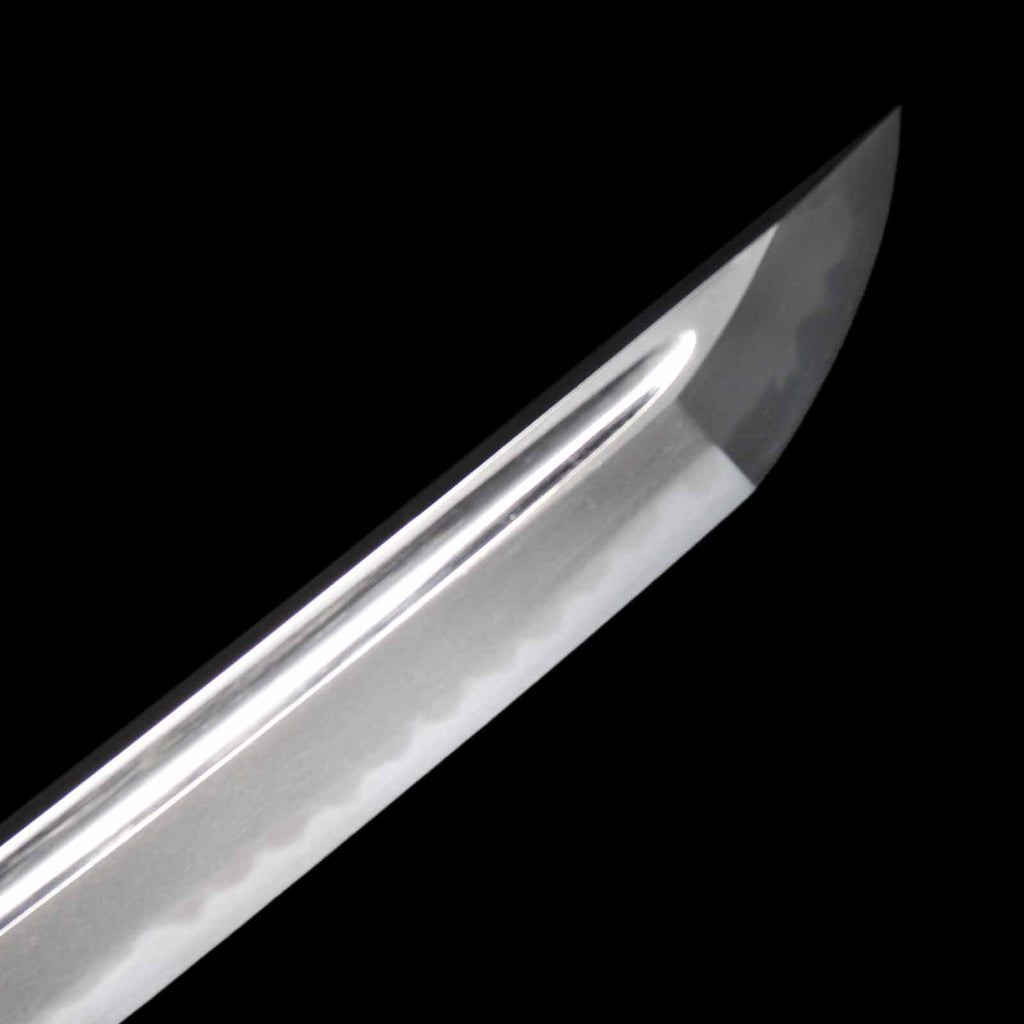
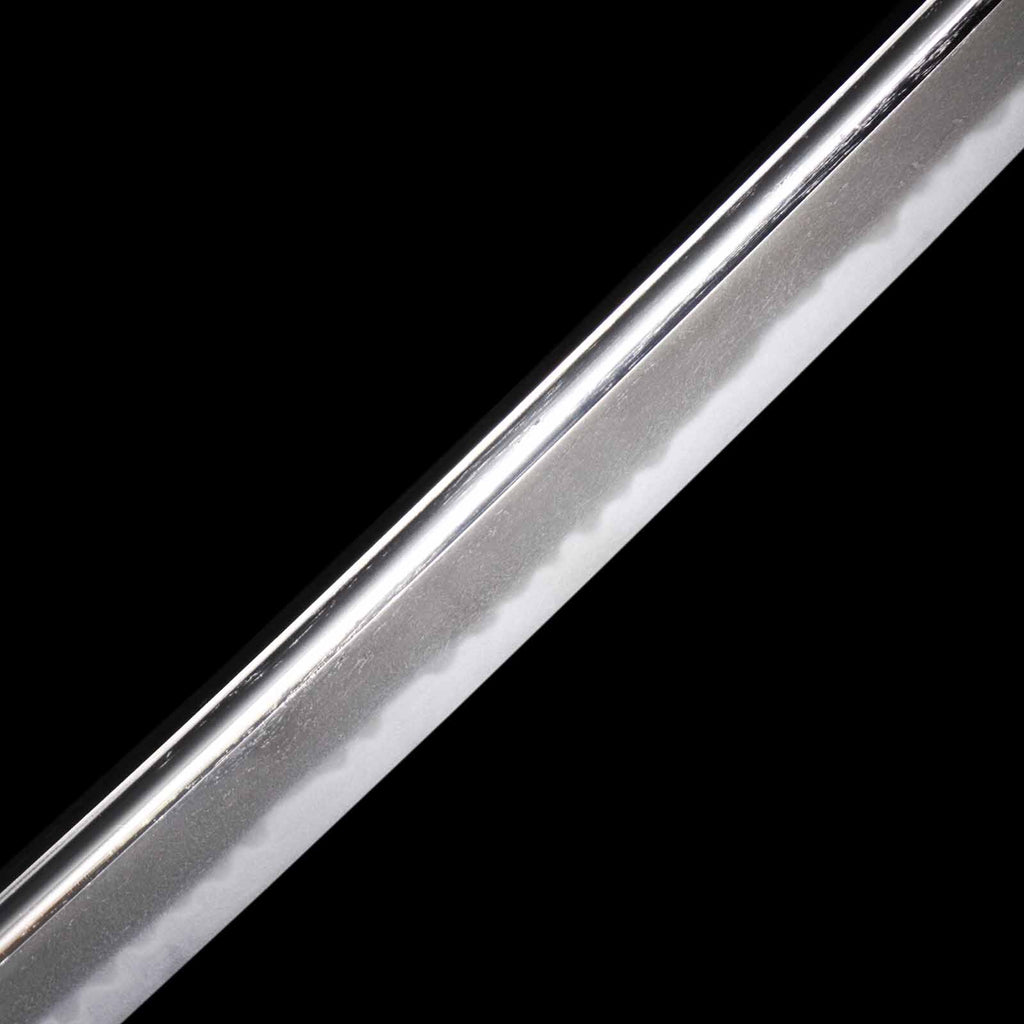
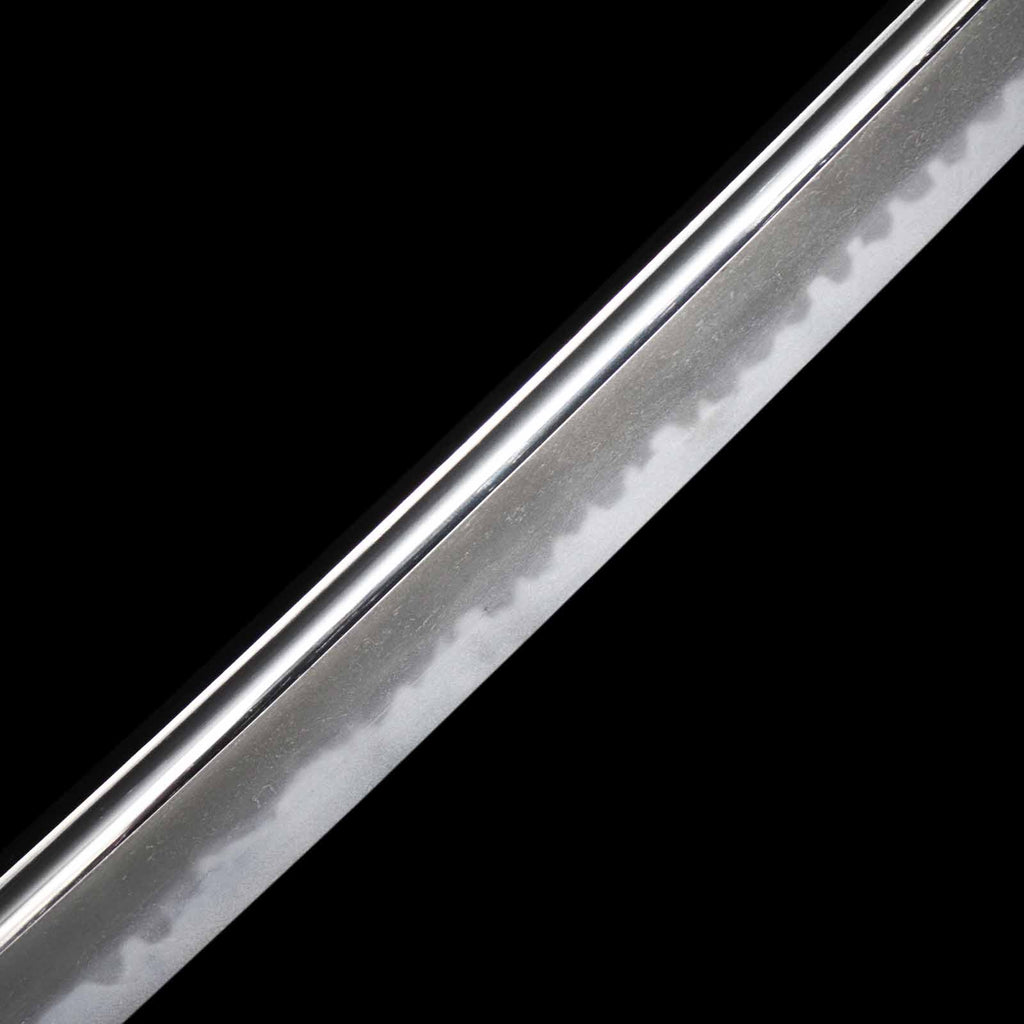
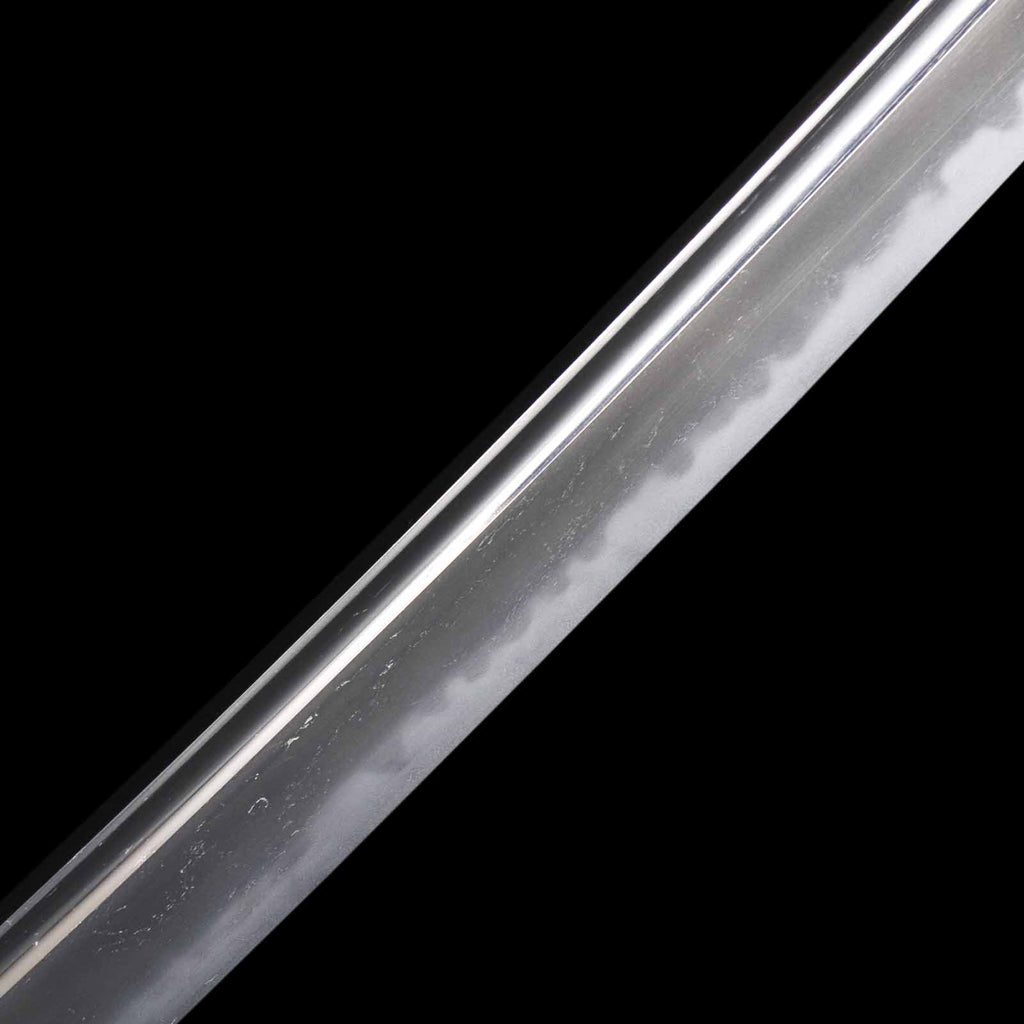
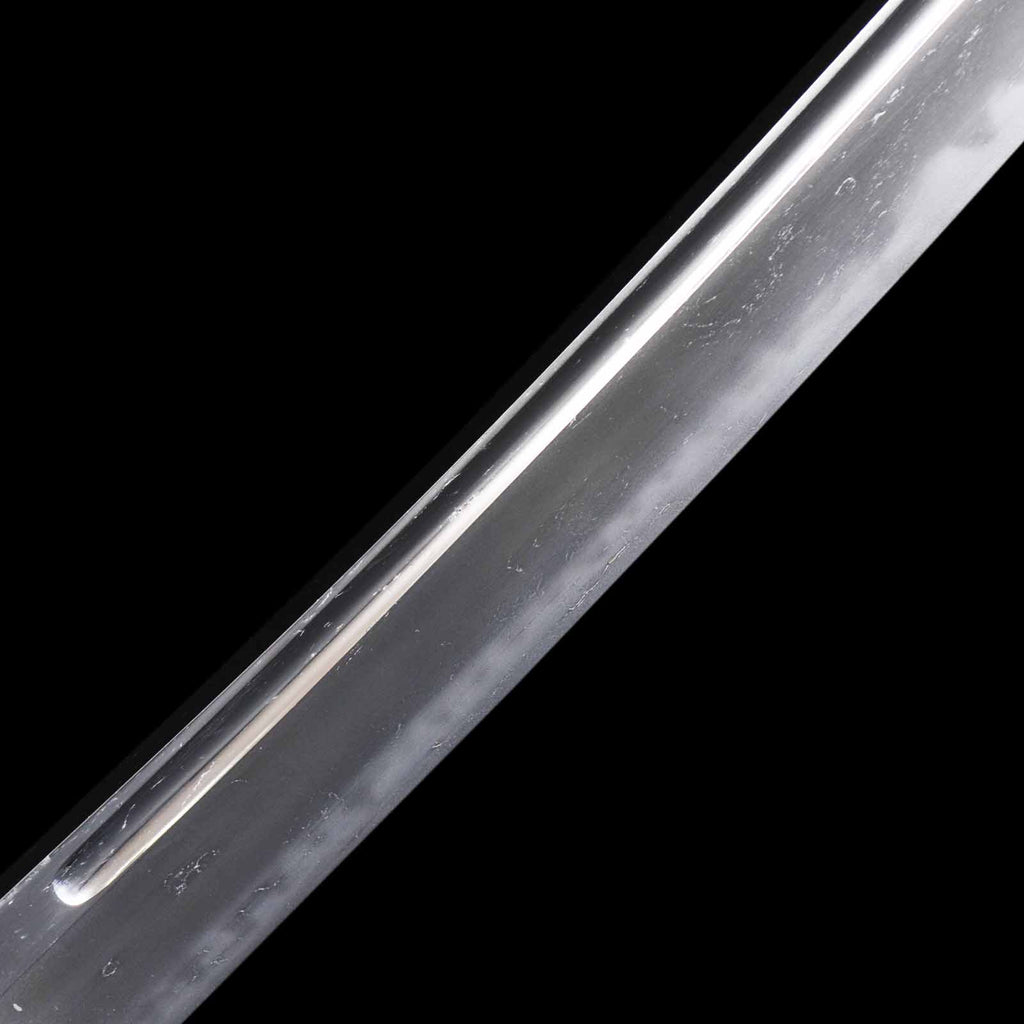
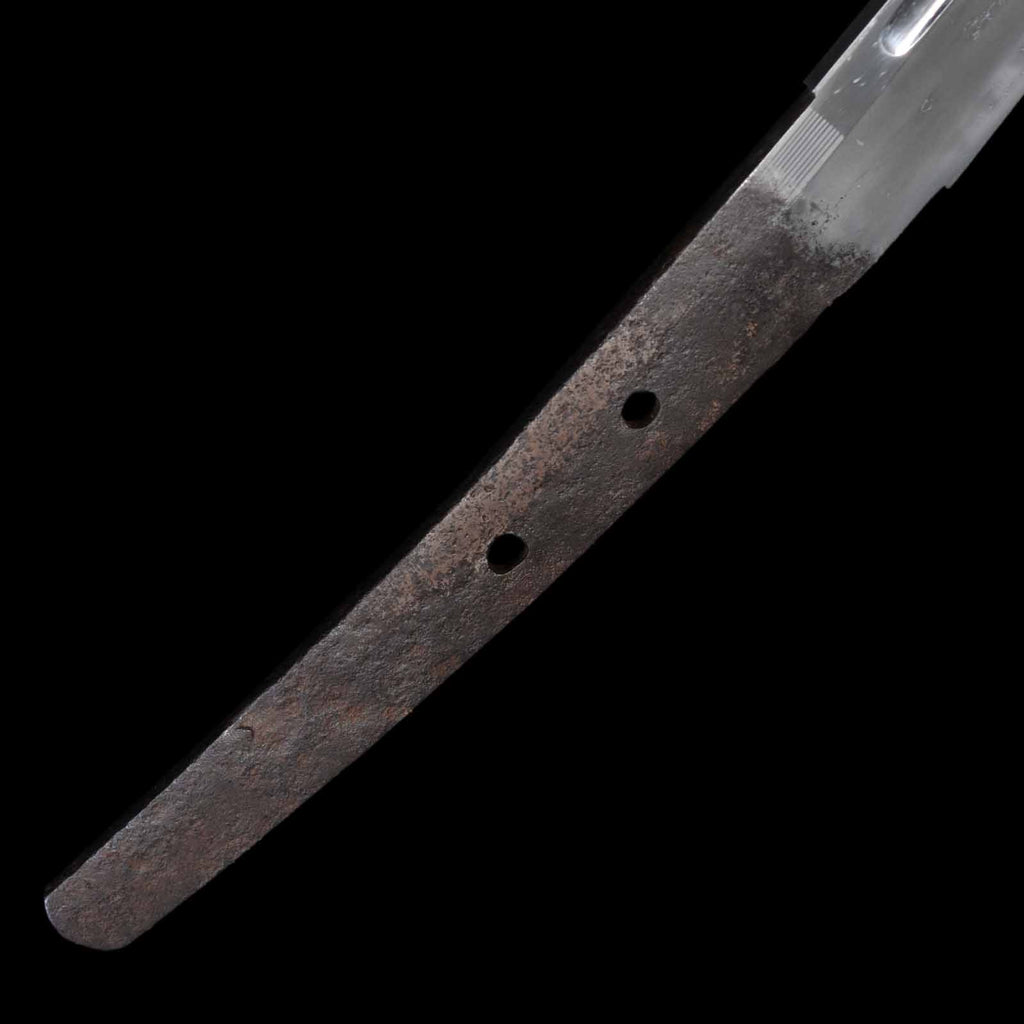
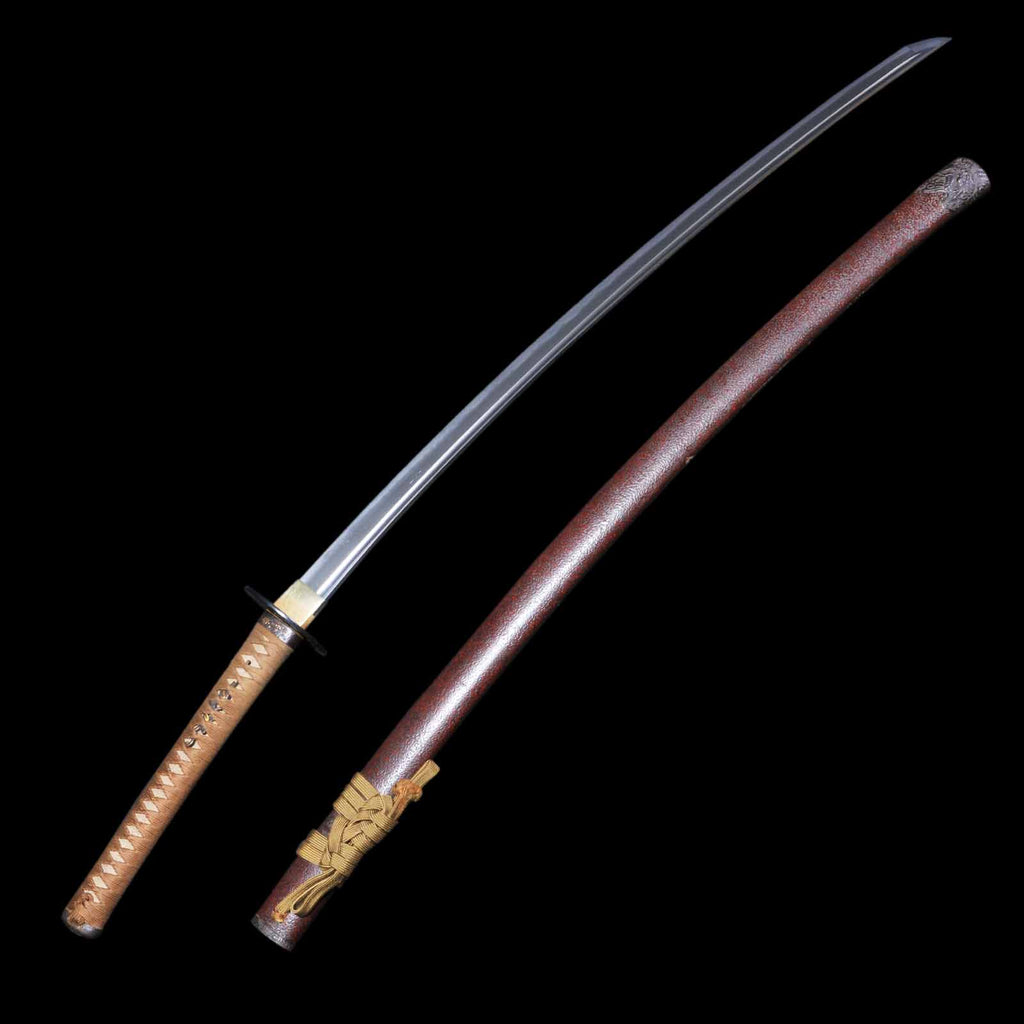
The condition of preservation of this sword is very good, with no flaws or defects, as it is estimated to have been made between the end of the Kamakura period(1185-1333) and the Nanbokucho period (1333-1392). The only concern is that there are a few forging flaws in the engraving of the hi, but they do not lower the value of the sword as a work of art. The hada on the sword blade is a mixture of itame and mokume, and the ji is well covered with nie. Hataraki such as chikei and utsuri, which is common in the work of bizen, are also evident. Hamon is ko-gunome mixed with choji and togariba, and the overall effect is midare. Hataraki such as ashi and yo are also very active. Only one character, bizen's bi, is legible on the nakago. The Society for Preservation of Japanese Art Swords has recognized this piece as the work of Osafune Yoshimitsu based on its overall judgment.
Osafune Yoshimitsu is said to be a child of Kagemitsu and a younger brother of Kanemitsu. Mitsutada was the founder of the Osafune school, and his son is Nagamitsu. Kagemitsu is the son of Nagamitsu, so Yoshimitsu is the fourth generation of the Osafune school's legitimate lineage. His brother Kanemitsu is also a disciple of Masamune, who perfected the Soshu school, so Yoshimitsu's style is also characterized by Soshubizen, a fusion of Bizen-Den and Soshu-Den. It is said that Tesshu Yamaoka, a Japanese bureaucrat and politician at the end of the Edo period, as well as a swordsman and founder of Muto-ryu, was a favorite user of Yoshimitsu's katana.
JuyoToken is a classification of evaluation by the Society for Preservation of Japanese Art Swords, and is defined as a well-preserved Japanese sword made between the Heian and Edo periods that is equivalent in quality to an "Important Art Object" in the classification of evaluation authorized by the Japanese government.
Why not own such a highly valued art object as part of your collection or as a family heirloom?
Please contact us if the katana you are looking for is not listed here.

Every blade reflects generations of knowledge, discipline, and precision passed down through traditional Japanese swordmaking. From the forging of steel to the final finishing touches, each piece is shaped with patience, mastery, and deep respect for heritage.

From carefully selected materials to the refined finishing of every surface, each sword is crafted and presented with uncompromising attention to detail. Our commitment to authenticity ensures every piece reflects true tradition, lasting quality, and enduring cultural value.

Designed with balance, simplicity, and purpose, our blades embody the harmony between refined form and skilled craftsmanship. Each sword represents a thoughtful union of strength, elegance, and the timeless discipline of Japanese artisans.