
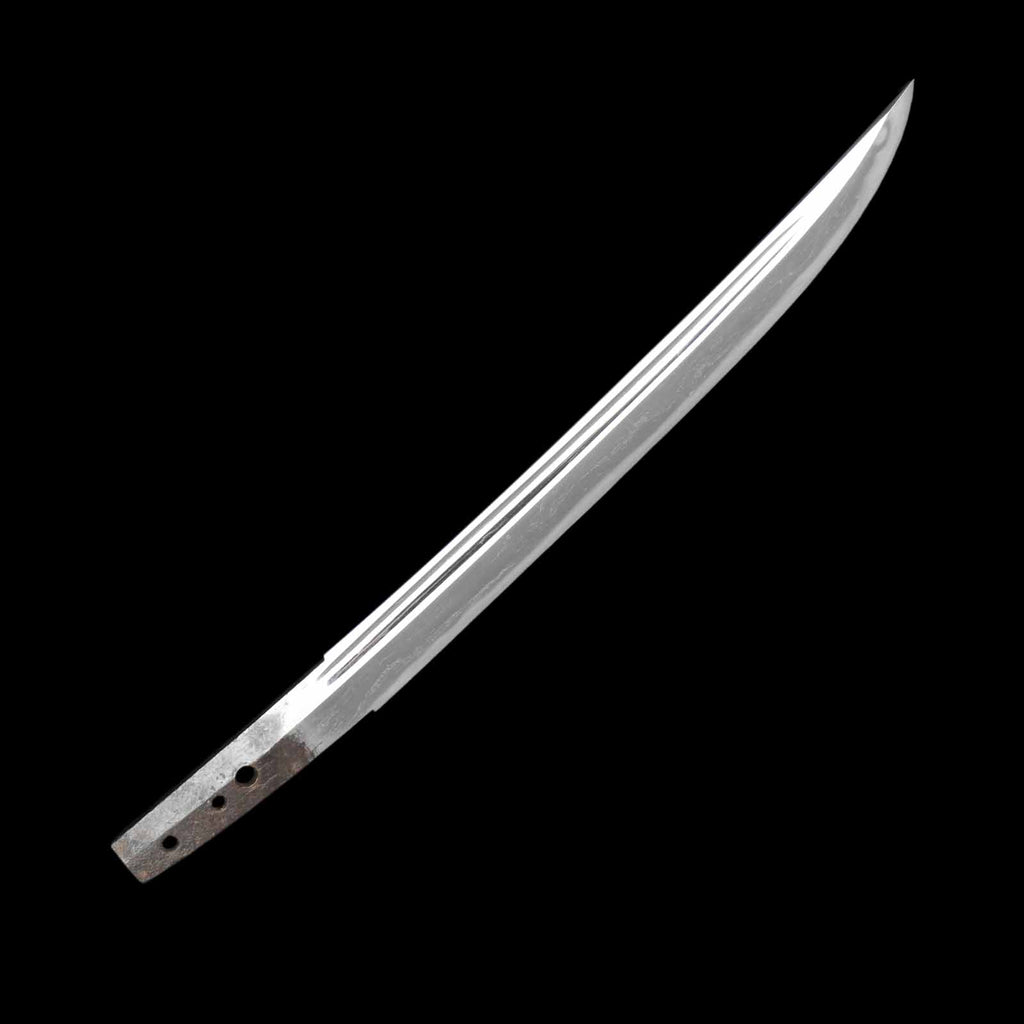


This blade has been acquired. Discover other exceptional swords currently available in our collection.


The first Fuyuhiro is said to be the son of the second Hirotsugu who was in Soshu. After studying Soshu-den, he moved to Obama, Wakasa, around 1460 and began making swords. He was a prominent swordsmith who was very trusted by warlords in western Japan because of his excellent quality. After the first generation, his successors continued to make swords under the same name through successive generations until the Edo period (1603-1868), making Fuyuhiro one of the most prestigious swordsmiths in the Wakasa region.
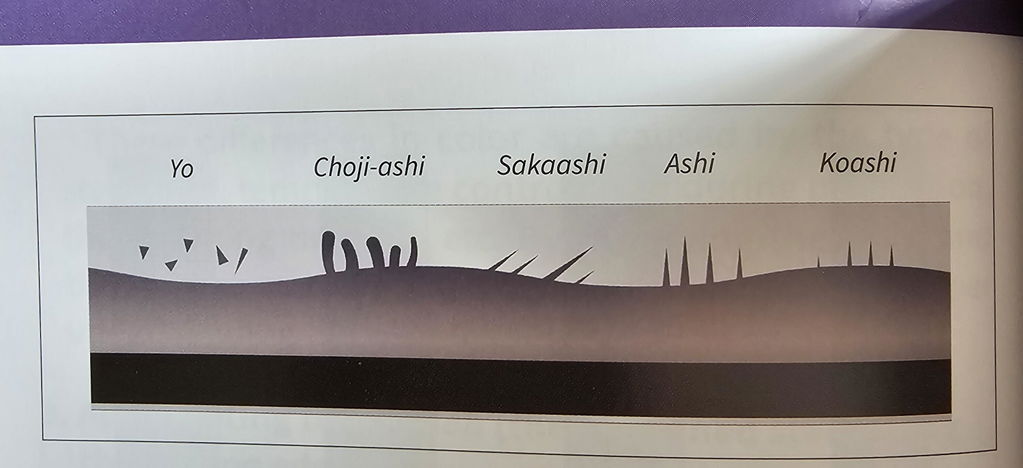
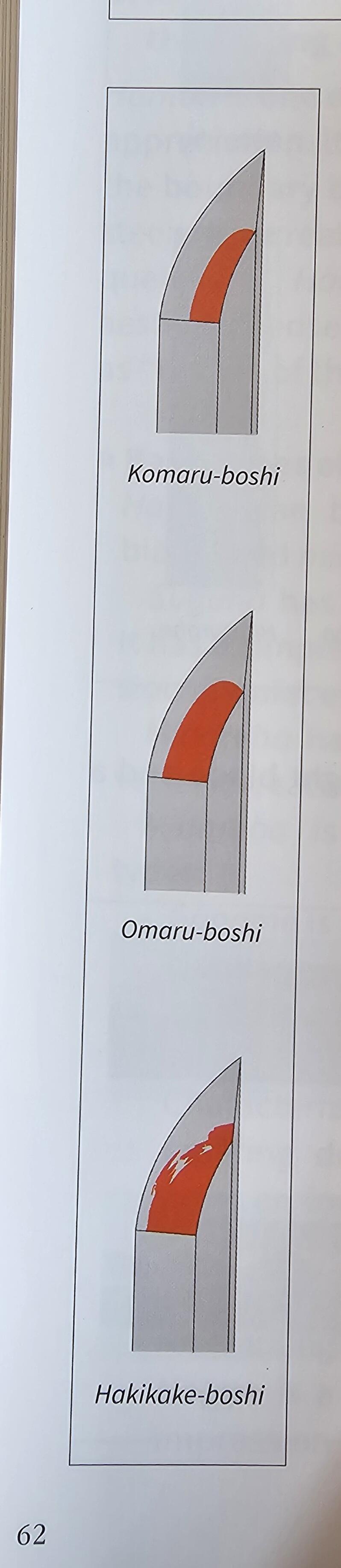
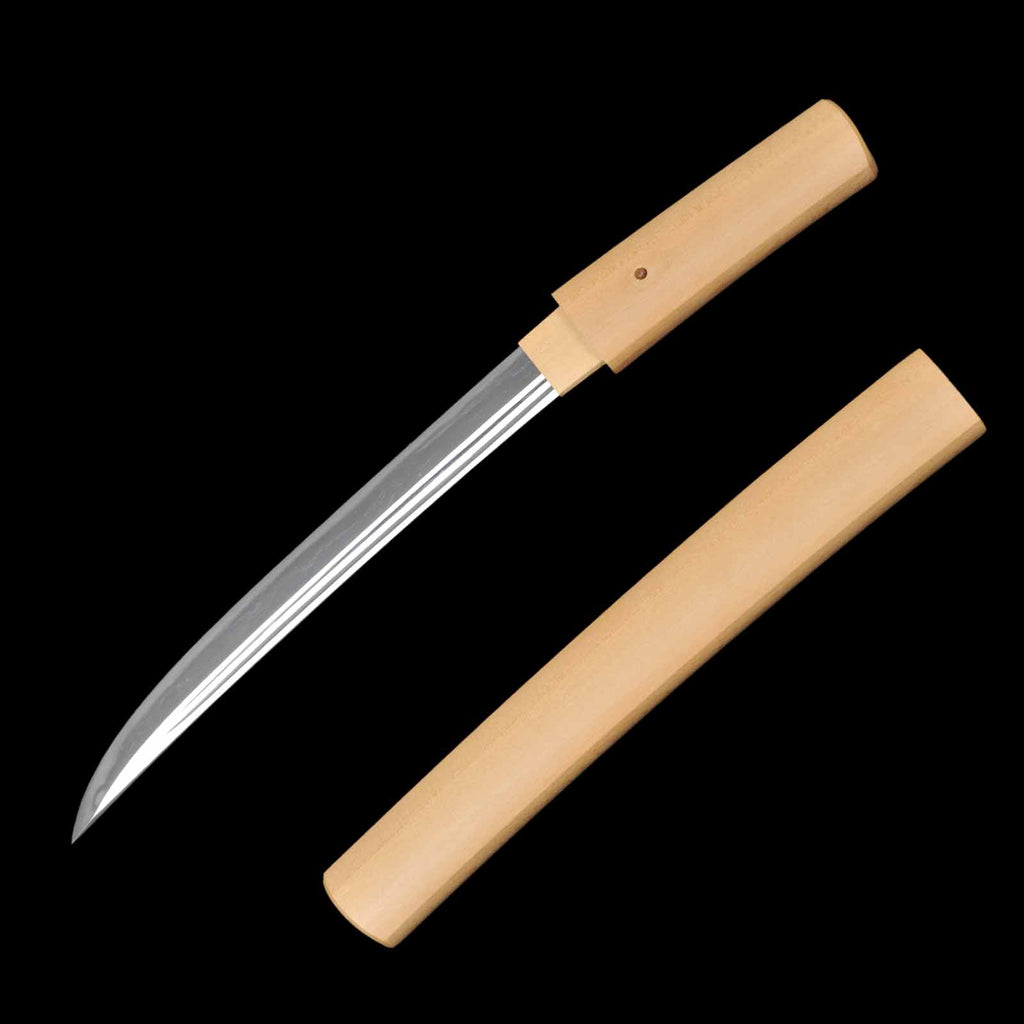
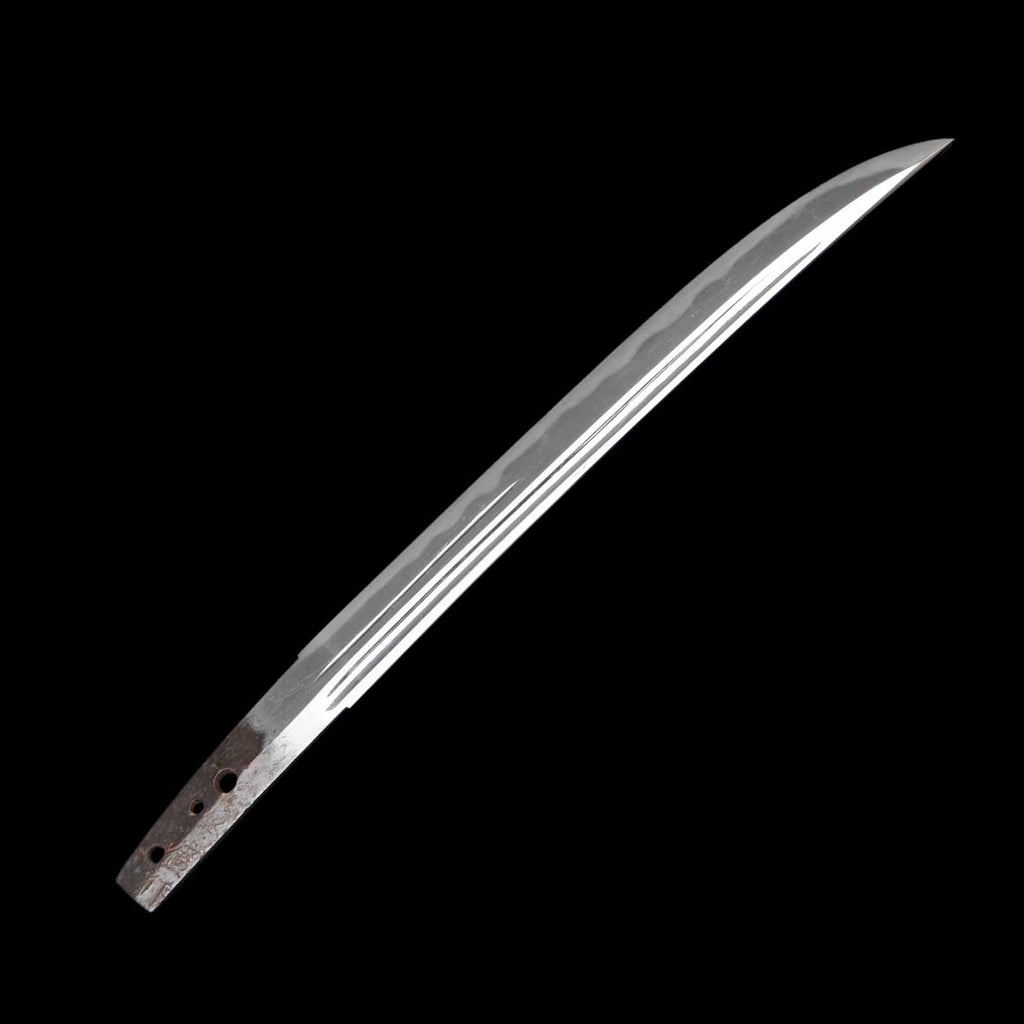
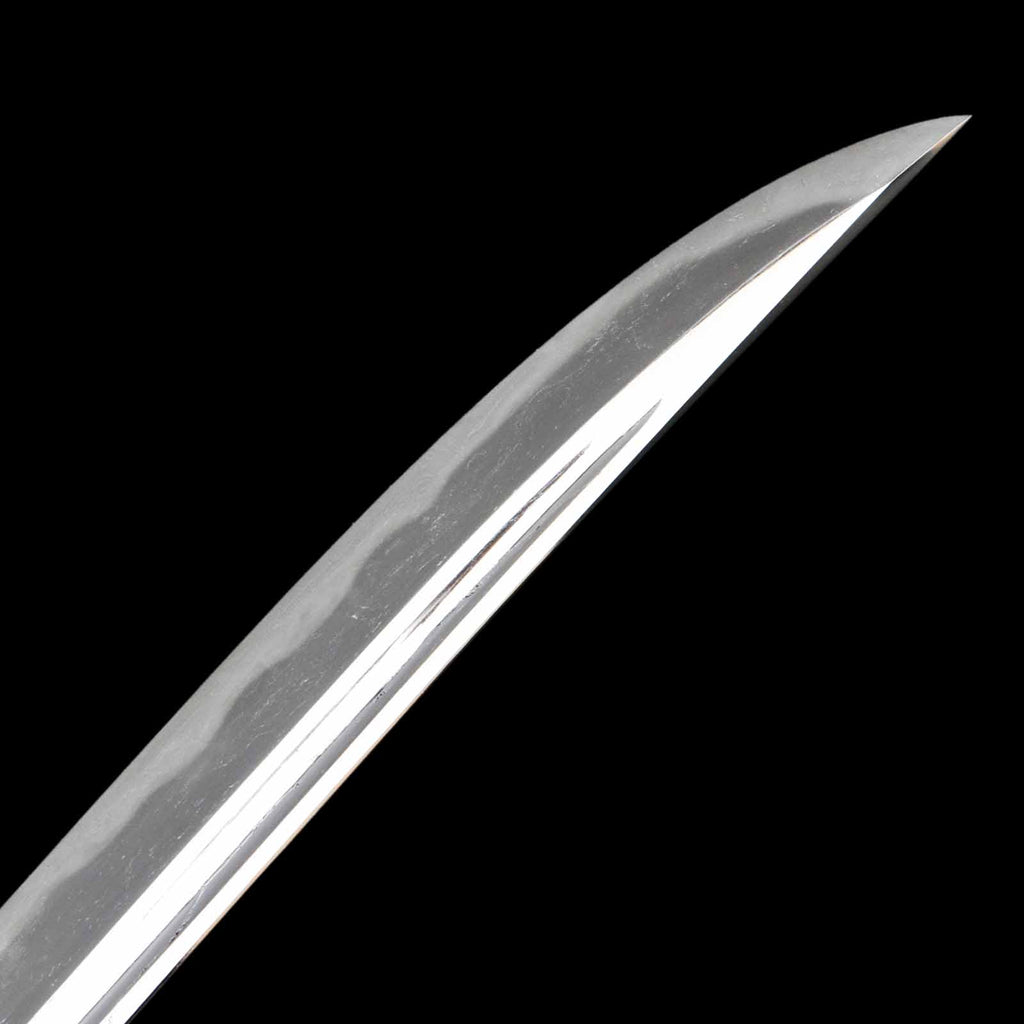
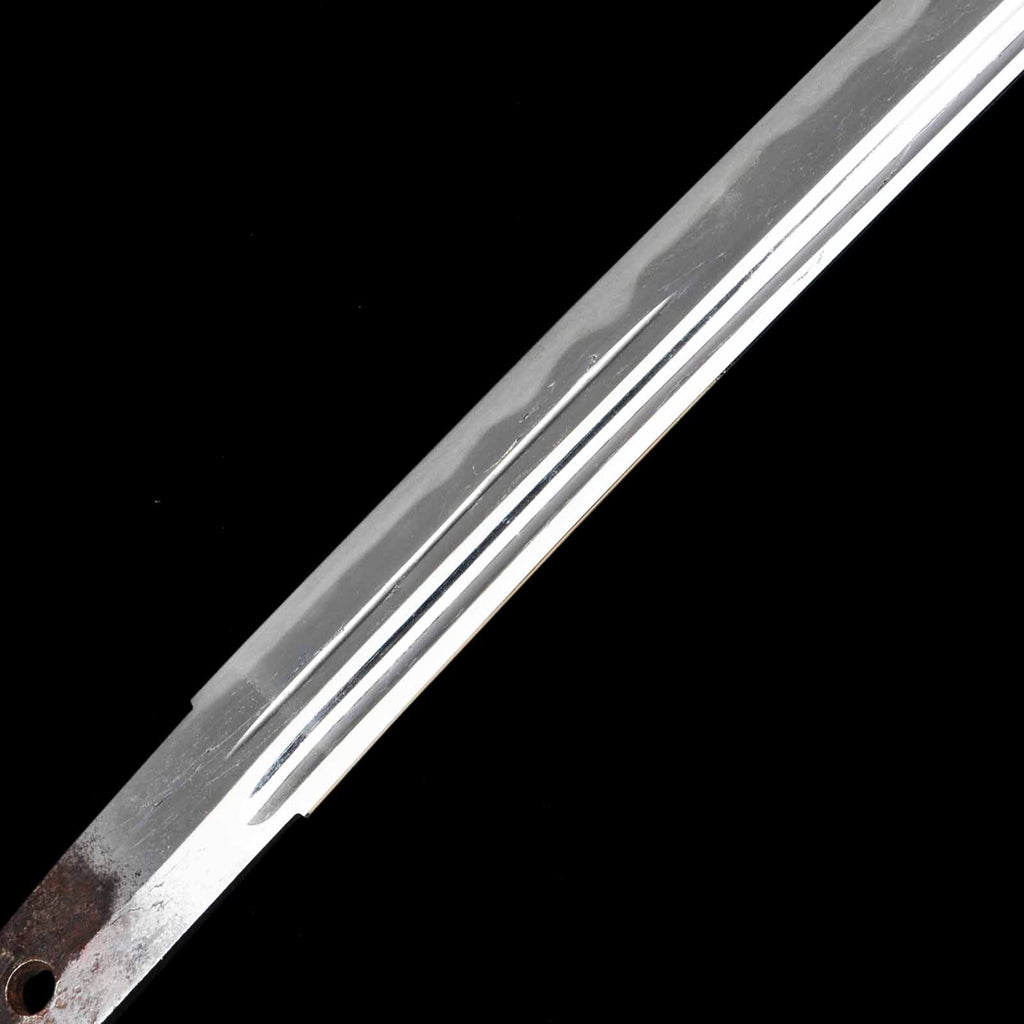
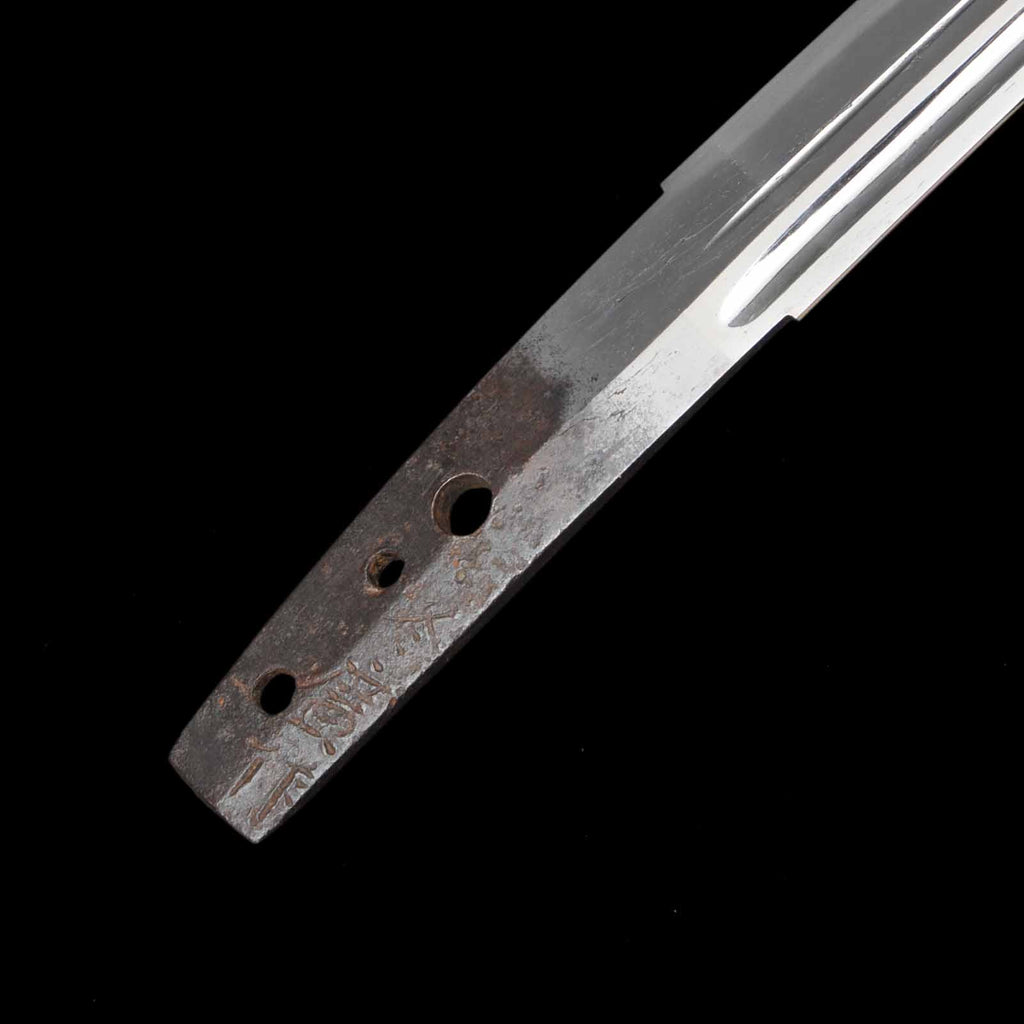
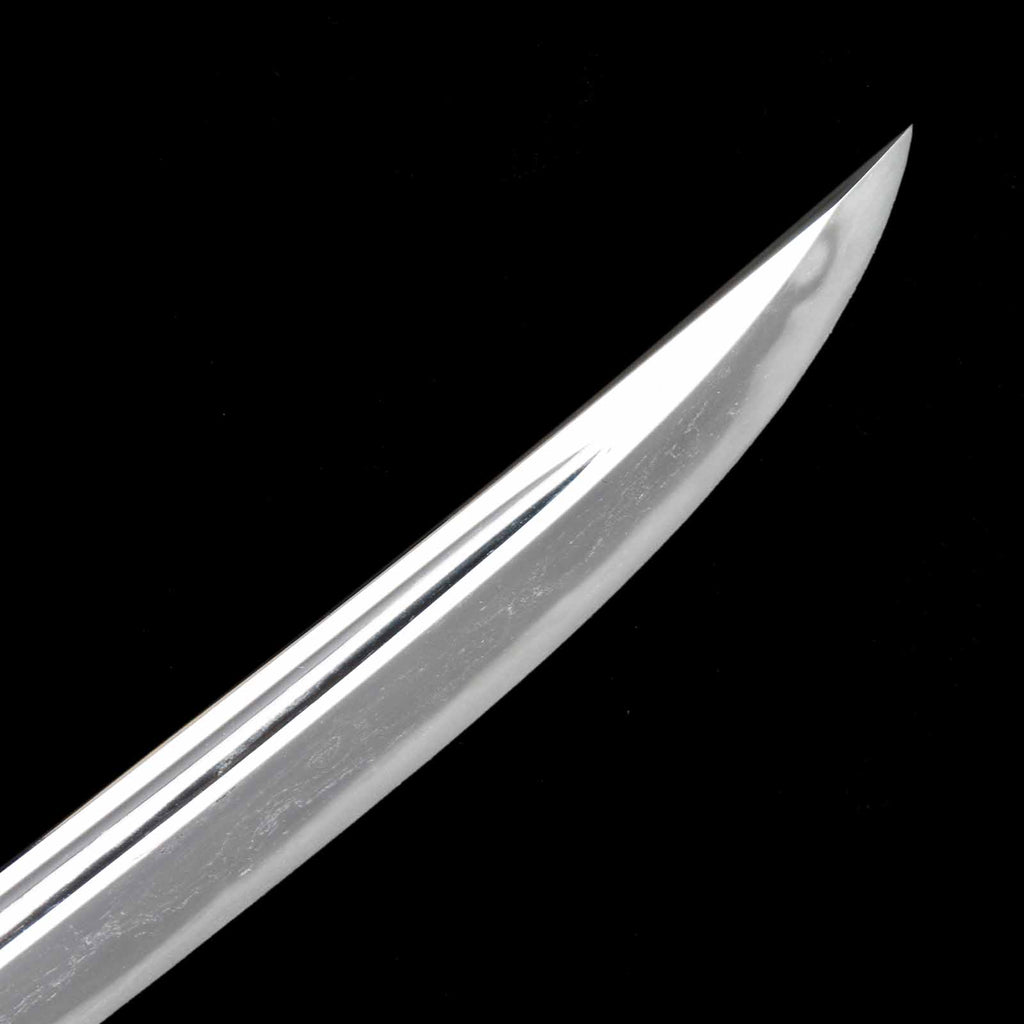
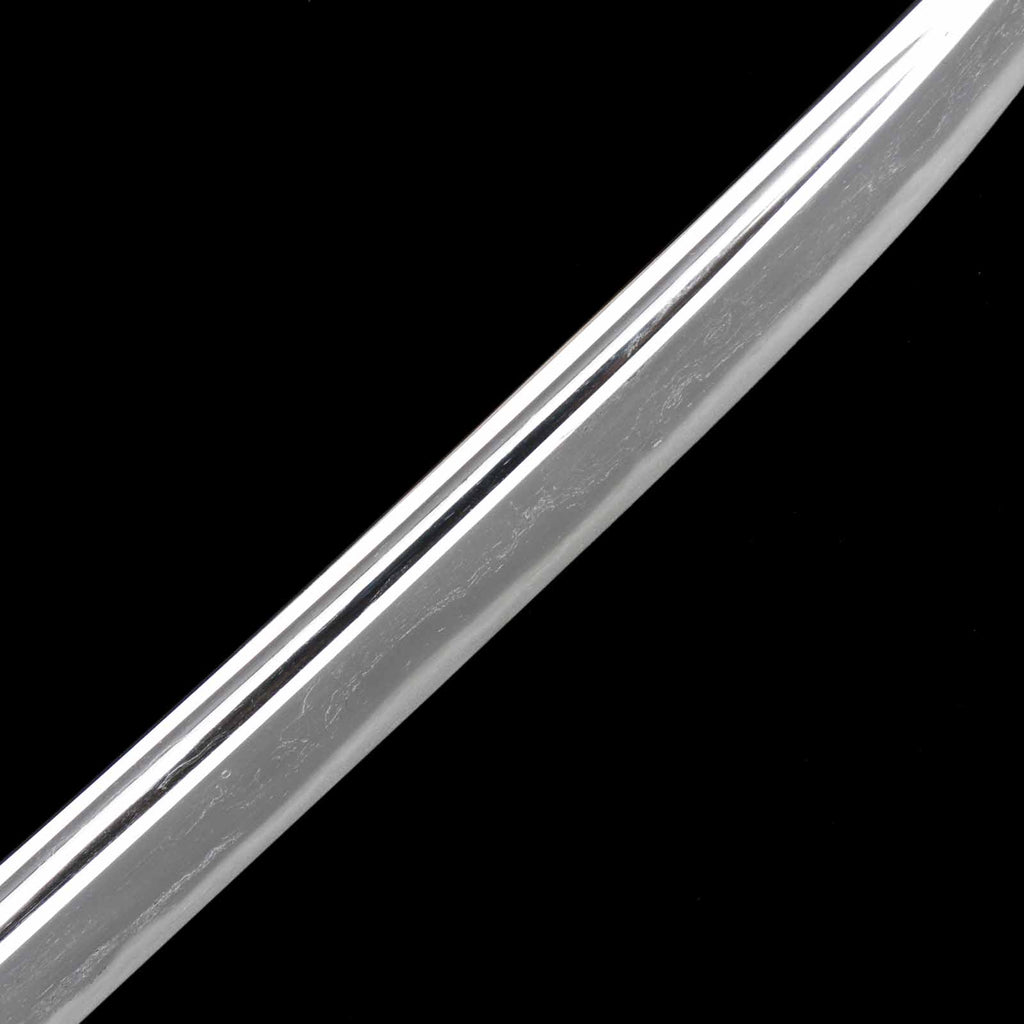
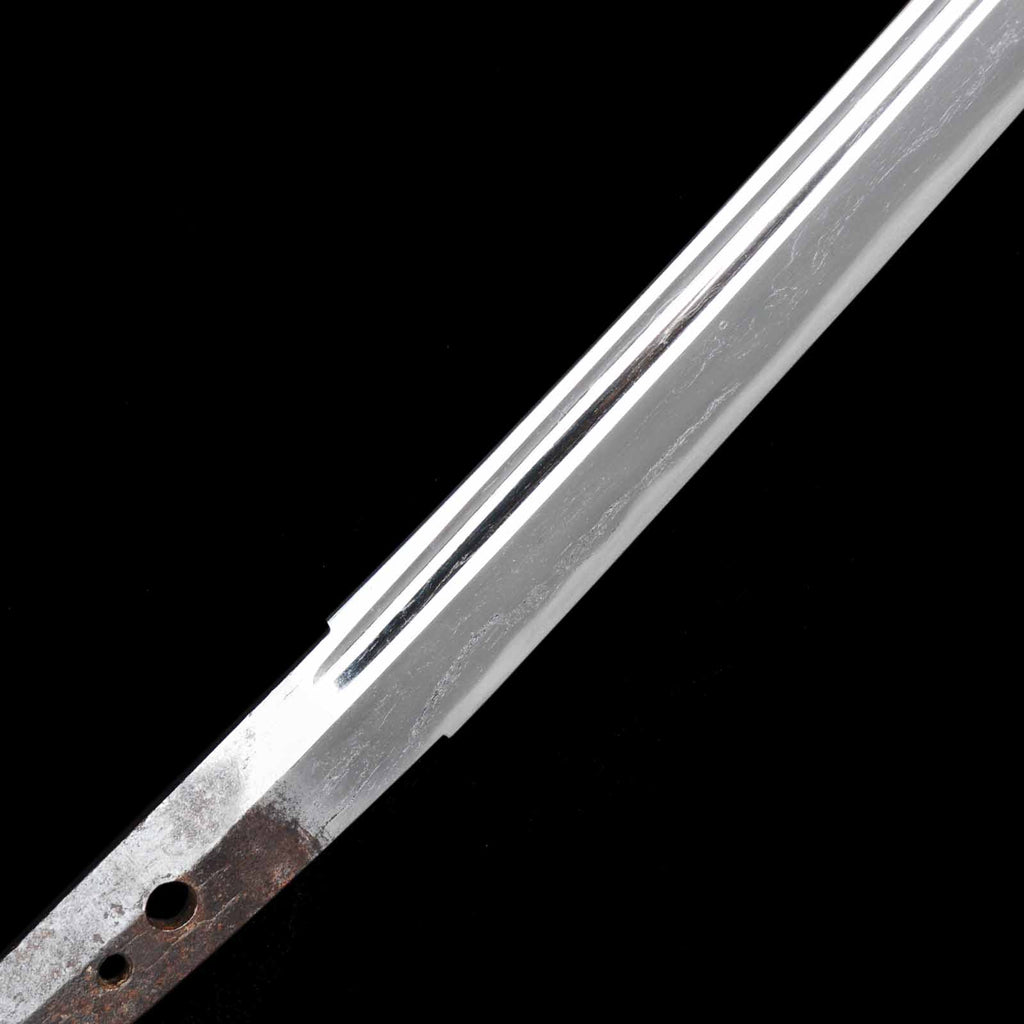
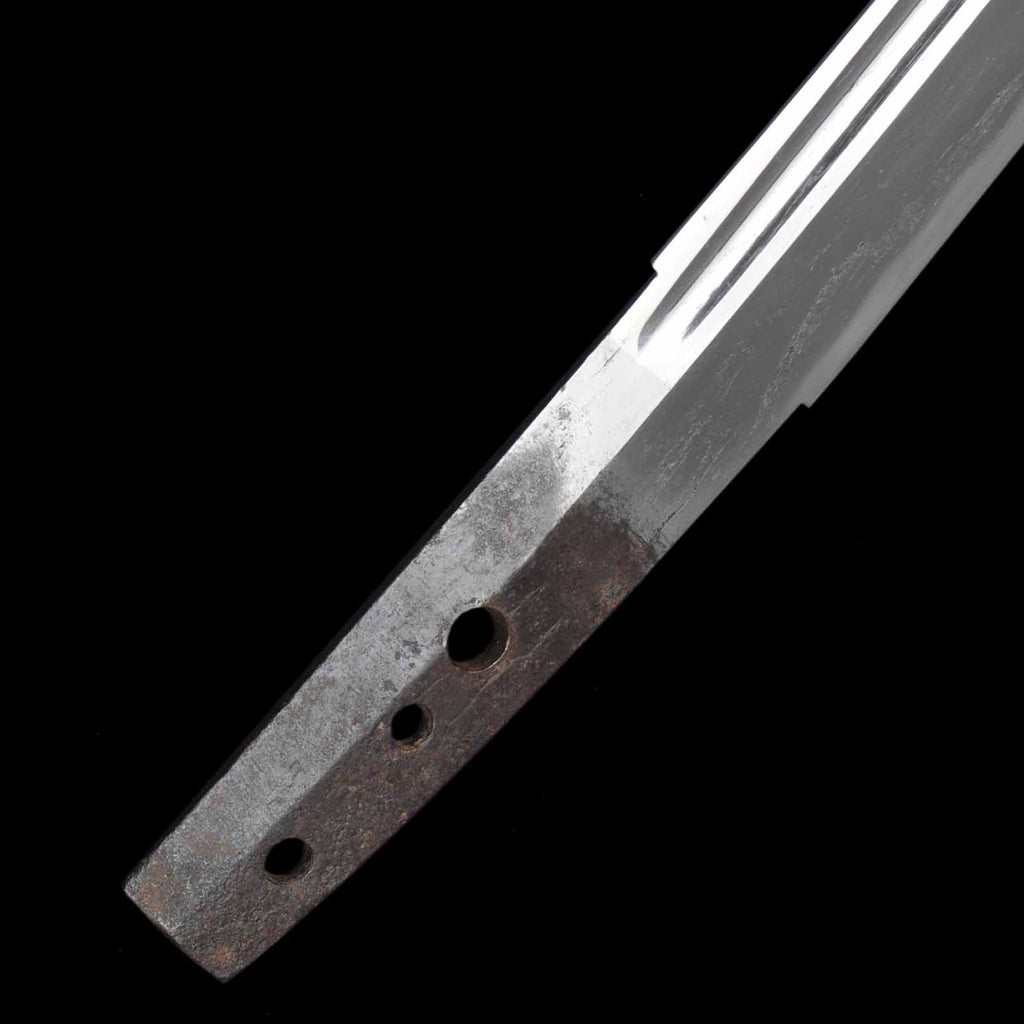
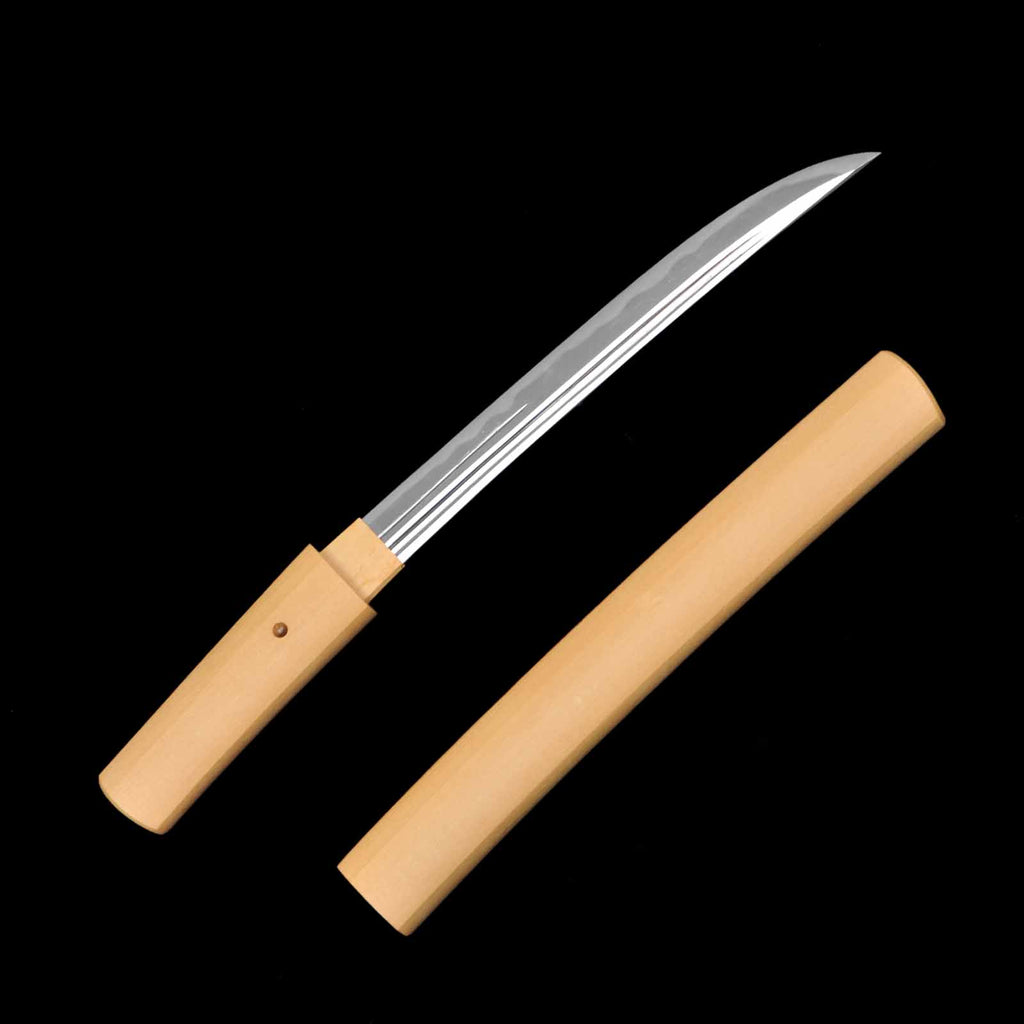
This tanto is a well-preserved piece with the signature of Fuyuhiro. The shape of the unokubi is similar to that of a shobu, and the hada is the traditional Soshu-den itame, a very bright and brilliant workmanship. Hamon is a mixture of gunome and midare with nie on sashi-mote. Sashi-ura has ko-gunome with notare and has a completely different look on the front and back. The blade has a hi engraved on it. On the sashi-omote there is a soe-hi of about 8 cm, but we can assume that this is not original and was added at a later date. The koshirae is shirasaya. The wooden habaki and tsuka are one piece. This is an opportunity to own a koto period fuyuhiro at an unbeatable price.

Every blade reflects generations of knowledge, discipline, and precision passed down through traditional Japanese swordmaking. From the forging of steel to the final finishing touches, each piece is shaped with patience, mastery, and deep respect for heritage.

From carefully selected materials to the refined finishing of every surface, each sword is crafted and presented with uncompromising attention to detail. Our commitment to authenticity ensures every piece reflects true tradition, lasting quality, and enduring cultural value.

Designed with balance, simplicity, and purpose, our blades embody the harmony between refined form and skilled craftsmanship. Each sword represents a thoughtful union of strength, elegance, and the timeless discipline of Japanese artisans.