A wakizashi bearing the vivid, unaltered original (ubu) signature of the swordsmith Sanjō Kokaji Yoshisaku (三条小鍛冶吉作), said to have been active in Satsuma province in the Eishō era (ca. 1504–1521) of the late Muromachi period. Freshly polished, it carries into the present the powerful, deeply flavorful atmosphere so characteristic of old Satsuma (kotō) work.
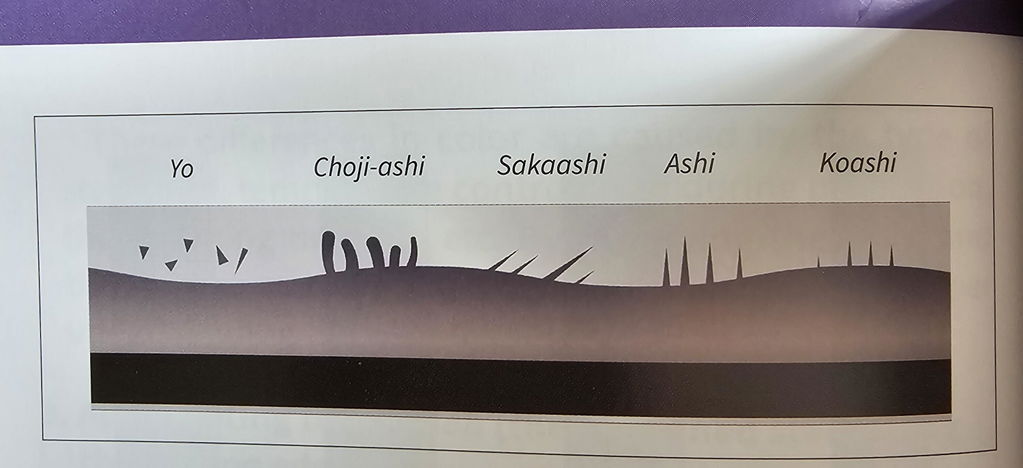
The blade is freshly polished. A few very fine edge nicks (ha-kobore) can be seen along the cutting edge — most likely from parrying an opponent's blade in combat — which only deepen the sword's character, and some faint clouding is present in places, but the ground and edge are very sound. The jigane is an itame-hada mixed with flowing (nagare) forging that tends to stand, and vivid chikei rise up across it; fine ji-nie gather evenly, giving real depth and a smooth texture. The hamon is a broad suguha base mixed with ko-midare and ko-gunome; bright, clear ko-nie lie along the temper edge, and gentle small activity — ashi and yō — plays within.
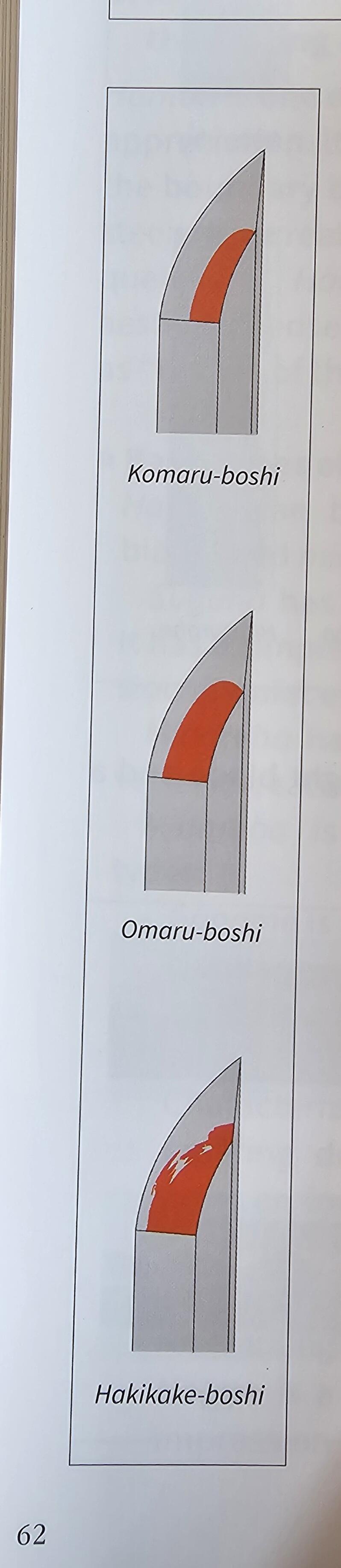
A beautiful, well-balanced shinogi-zukuri wakizashi with solid mihaba and kasane and a moderate, graceful sori. Its tight, trim silhouette is capped by a clean ko-maru bōshi that turns back neatly, and the fresh polish shows the appeal of both the ground and the temper to full effect.
The name "Sanjō Kokaji" derives from the legendary Heian-period master Sanjō Kokaji Munechika. In the late Muromachi period, smiths who inherited — or consciously invoked — the traditional Yamashiro-den techniques and famous names of Kyoto sometimes migrated out into the provinces. This smith is thought to have been one such maker who settled in Satsuma and forged there. Signed works of Sanjō Kokaji Yoshisaku from late-Muromachi Satsuma — and especially examples with an unaltered ubu signature — survive in very small numbers, making this a rare reference piece in the history of the Japanese sword.
The wakizashi is housed in a plain wood shirasaya (resting scabbard) that carries the warmth of wood in the hand, fitted with a wood habaki and a bamboo mekugi — the ideal mounting for purely appreciating and preserving the beauty of the blade and the activity of its ground and edge.
A sound, sharply polished late-Muromachi ubu-signed wakizashi by Sanjō Kokaji Yoshisaku, its slight edge nicks only heightening its historical value — a piece whose quiet appeal seems to draw the viewer back into the past.

Every blade reflects generations of knowledge, discipline, and precision passed down through traditional Japanese swordmaking. From the forging of steel to the final finishing touches, each piece is shaped with patience, mastery, and deep respect for heritage.

From carefully selected materials to the refined finishing of every surface, each sword is crafted and presented with uncompromising attention to detail. Our commitment to authenticity ensures every piece reflects true tradition, lasting quality, and enduring cultural value.

Designed with balance, simplicity, and purpose, our blades embody the harmony between refined form and skilled craftsmanship. Each sword represents a thoughtful union of strength, elegance, and the timeless discipline of Japanese artisans.