

Commissioning a newly forged Japanese sword from a living swordsmith is one of the most rewarding things a collector can do — and one of the most misunderstood. Over more than thirty years of facilitating commissions between international collectors and Japan's finest living smiths, Tozando's specialists have answered the same questions thousands of times. This article brings those answers together in one place: honest, practical, and based entirely on real experience.
The honest answer is: it depends entirely on the smith and the specifications. The range is wide — but collectors should understand the real cost structure before setting expectations. A newly forged blade requires the swordsmith's fee, polishing (togishi), habaki and shirasaya, NBSK Shinsakuto Shomeisho certification (¥55,000), Tozando's facilitation, and international shipping. The realistic minimum for a commissioned nihonto through Tozando is approximately ¥850,000 (around USD $5,700) — and this reflects the actual cost of genuine traditional craft, not a margin decision. Most serious collectors working with Tozando make commission decisions in the USD $6,000–$30,000 range; a Mukansa-level commission begins at approximately USD $33,000.
| Budget range | What it typically delivers |
|---|---|
| USD $5,700–$8,000 approx. ¥850,000–¥1,200,000 |
Entry-level commission — accomplished licensed smith; shirasaya and habaki; NBSK certificate included. Realistic minimum for a genuine traditionally forged nihonto. |
| USD $8,000–$15,000 approx. ¥1,200,000–¥2,250,000 |
Senior or prize-winning smith; full koshirae available; significant aesthetic range across major school traditions |
| USD $33,000–$60,000 approx. ¥5,000,000–¥9,000,000 |
Mukansa-level smith; the finest available work in the modern tradition; full koshirae by skilled fittings makers; competition-grade steel and polish. This is the realistic minimum for a genuine Mukansa commission. |
| USD $60,000+ ¥9,000,000+ |
The most senior Mukansa smiths; work at competition submission standard; extended waiting times of 2+ years. Prices at this level reflect both the smith's standing and the exceptional quality of every element. |
Tozando provides detailed guidance on what each budget level realistically delivers before any commitment is made. There are no surprises after a commission begins.
The commission price from Tozando covers the blade itself, its NBSK Shinsakuto Shomeisho authentication certificate, Japanese government registration, and Tozando's facilitation of the entire process — communication with the smith, specification management, and export handling.
What may add cost: a full koshirae (handle, guard, and scabbard in lacquered fittings) versus a simple shirasaya (plain storage mounting); custom horimono (carved grooves or decorative carvings on the blade); a specific polishing grade; and international shipping and any import duties applicable in your country. Tozando's specialists provide a complete breakdown before the commission begins.
Yes. Through Tozando's commission route, a deposit of approximately 10% of the total reserves your commission and begins production. The balance is paid on completion — either in full or, on request, in instalments during the forging period. Because commissions take approximately one year to complete, this arrangement means the cost can be spread over the production period. Contact Tozando's specialists to discuss the payment structure that works for your situation.
This is one of the most important things to understand before placing a commission: the total time from enquiry to delivery is typically one to three years, depending on the smith and the specifications. There are two distinct phases — the waiting period before production begins, and the production period itself — and both must be factored in.
- Waiting list (before production begins): Popular and senior smiths typically have a queue of commissions ahead of yours. For in-demand smiths, the wait before your blade is even started can be six months to over a year. This is the phase most collectors underestimate. Tozando advises on each smith's current waiting time before a commission is placed.
- Forging: Several months once the smith begins — entirely in the smith's hands and cannot be accelerated.
- Polishing: 1–3 months depending on the grade specified. A high-grade polish by a specialist togishi takes longer.
- Koshirae (if ordered): This varies enormously. A practical iaito-style koshirae using standard fittings can be completed in 1–2 months. A one-off koshirae with fittings individually crafted by a specialist kinko (metal fittings artist) — tsuba, fuchi-kashira, and menuki made to order — can add up to a year to the total timeline. This is a significant decision that affects both cost and schedule.
- NBSK certification and government registration: 2–4 weeks
- Export documentation and shipping: 2–4 weeks
As a general guideline: allow one to two years for a commission from a popular smith with a standard koshirae; allow up to three years if you are commissioning from a senior Mukansa smith with a long waiting list and a one-off koshirae by a specialist maker. Collectors who need the blade by a specific date should discuss timing with Tozando before placing the commission — not after.
The process is straightforward and Tozando handles every stage on your behalf:
- Initial consultation: You tell us your budget, preferred style, and any specific requirements. We advise on which smiths are most appropriate and available.
- Specification agreement: We work with you to define the blade's length, curvature, hamon style, school tradition, polishing grade, and koshirae requirements.
- Commission placement: We communicate your specifications to the smith in Japanese, handling all language and cultural translation.
- Production: The smith forges, polishes, and completes the blade. Tozando monitors progress and keeps you informed.
- Certification and registration: We handle NBSK certification and Japanese government registration.
- Export and delivery: We manage all export documentation and international shipping to your door.
You never need to communicate directly with the smith in Japanese, navigate Japanese bureaucracy, or manage any aspect of the logistics. Tozando handles it all.
For most collectors, especially those commissioning for the first time, the most useful starting point is the school tradition — the aesthetic style you find most compelling. The five classical traditions (Bizen-den, Yamashiro-den, Soshu-den, Yamato-den, Mino-den) each produce a distinct visual character in the jihada and hamon. If you know which historical style attracts you, Tozando can identify the living smiths who work most fluently in that tradition.
Other considerations worth discussing:
- Budget: Senior Mukansa smiths command higher prices and longer waiting times.
- Purpose: A blade for tameshigiri (test cutting) has different optimal specifications from one intended for display or collection.
- Specific smith preference: If you already have a smith in mind, Tozando can advise on their current availability and waiting time.
If you have no particular preference, describe what you are looking for and Tozando's specialists will recommend two or three options appropriate to your budget and interest.
Most of Japan's licensed swordsmiths do not speak English and do not have the administrative infrastructure to handle international commissions directly. Their work takes place in forges in rural Japan where the focus is entirely on making swords — not on managing international client relationships, export documentation, or payment processing in foreign currencies.
Tozando's role is precisely to bridge this gap. We translate not only the language but the cultural context — conveying your specifications to the smith in a way that fits how commissions work in Japan, and conveying the smith's questions and decisions back to you in terms that make sense. Attempting to commission directly, without this bridge, typically results in either no response or significant misunderstanding about what has been agreed.
Beyond language and logistics, Tozando brings three specific advantages that a direct approach cannot replicate:
- Export expertise built over thirty years: Shipping a genuine nihonto internationally requires specific export documentation, correct classification, and knowledge of import regulations in each destination country. Tozando has shipped to collectors in more than seventy countries and handles every element of this process — from Japanese export permits to advice on import requirements at your end. For a collector attempting this independently for the first time, the export process alone is a significant undertaking. For Tozando, it is routine.
- The same price as going direct — with full support added: A common assumption is that working through a dealer adds cost over buying directly from the smith. In Tozando's case, this is not so. Tozando has a formal partnership with the All Japan Swordsmith Association (全日本刀匠会), which means the price of a commission through Tozando is the same as the price the smith would charge if you approached him directly — with the full benefit of Tozando's language support, process management, export handling, and international logistics included at no additional premium. You pay exactly what you would pay the smith, and receive everything that comes with working through an experienced international specialist.
- Single point of responsibility: When something requires coordination — between smith, togishi, koshirae maker, certification body, and export agent — Tozando manages it. The collector has one point of contact throughout, in English, from commission to delivery.
A genuine commission dialogue involves real collaboration — not simply filling in a form. The elements you can specify include:
- Nagasa (blade length): The most common specification. Many collectors choose a length suited to their height or intended use.
- Sori (curvature): Can be specified within the range natural to the tradition being worked in.
- Mihaba (blade width) and kasane (thickness): Can be discussed, though the smith may advise on proportions appropriate to the specified length.
- School tradition: Bizen-den, Yamashiro-den, Soshu-den, etc. — this determines the overall aesthetic character.
- Hamon style: Suguha, gunome, choji, notare — within the tradition being worked in.
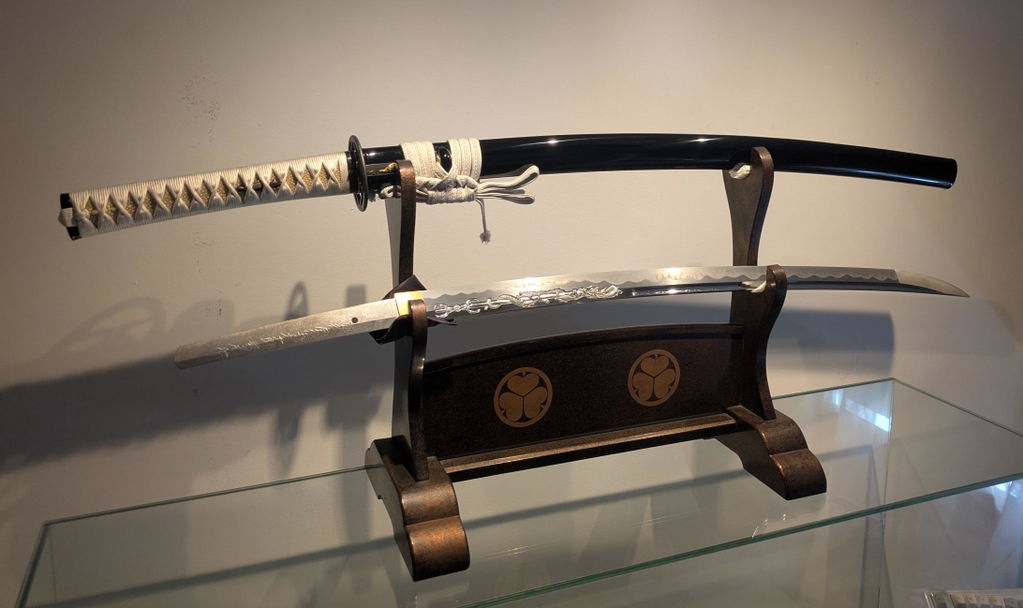
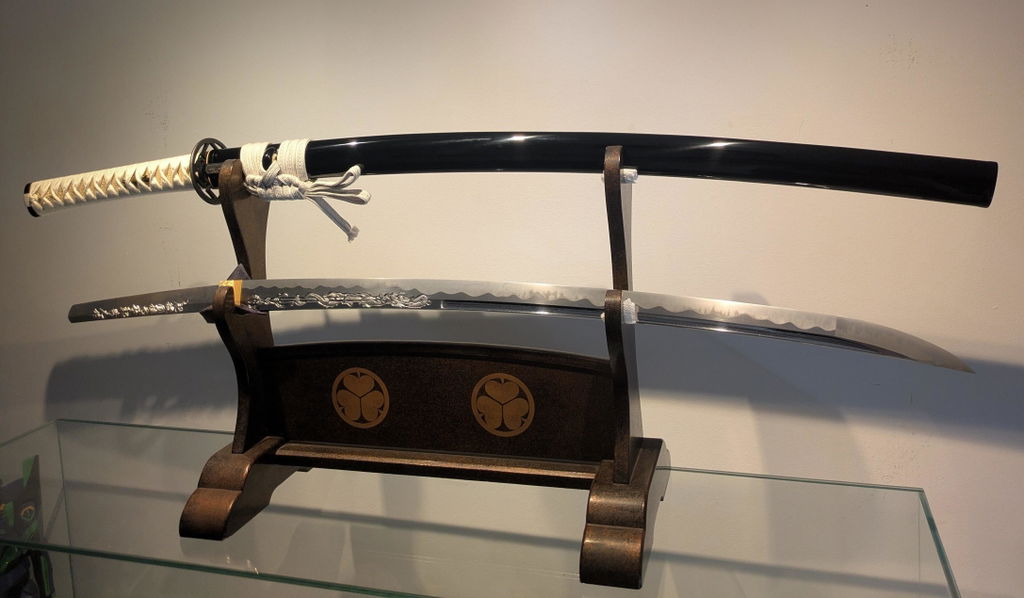
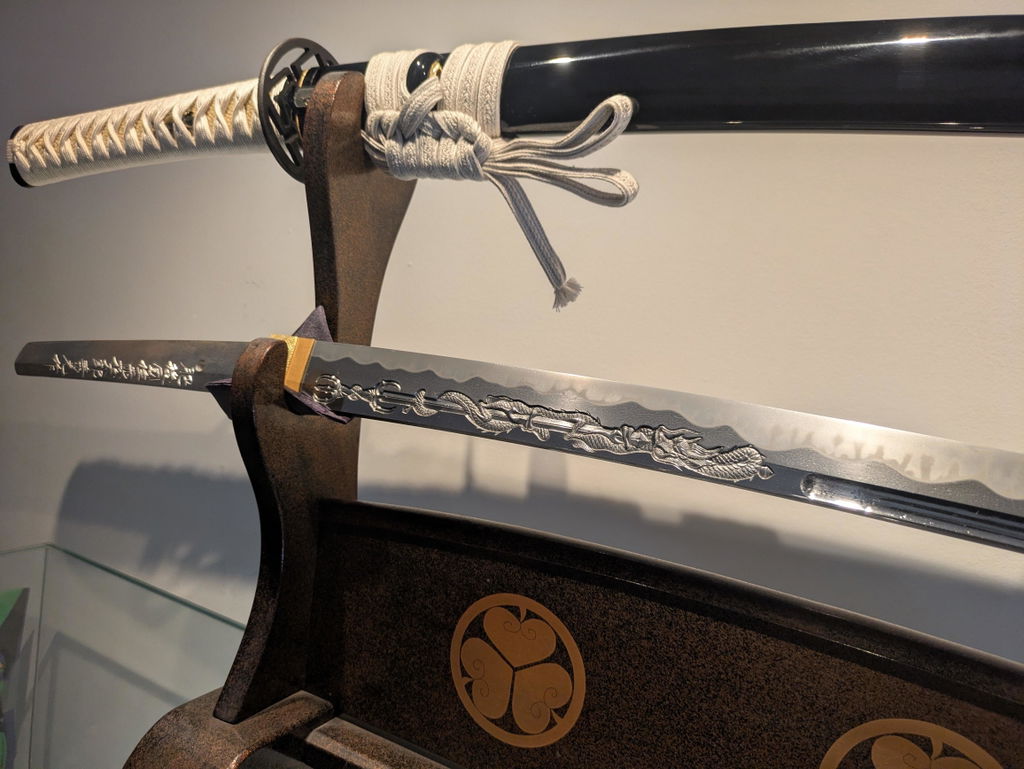
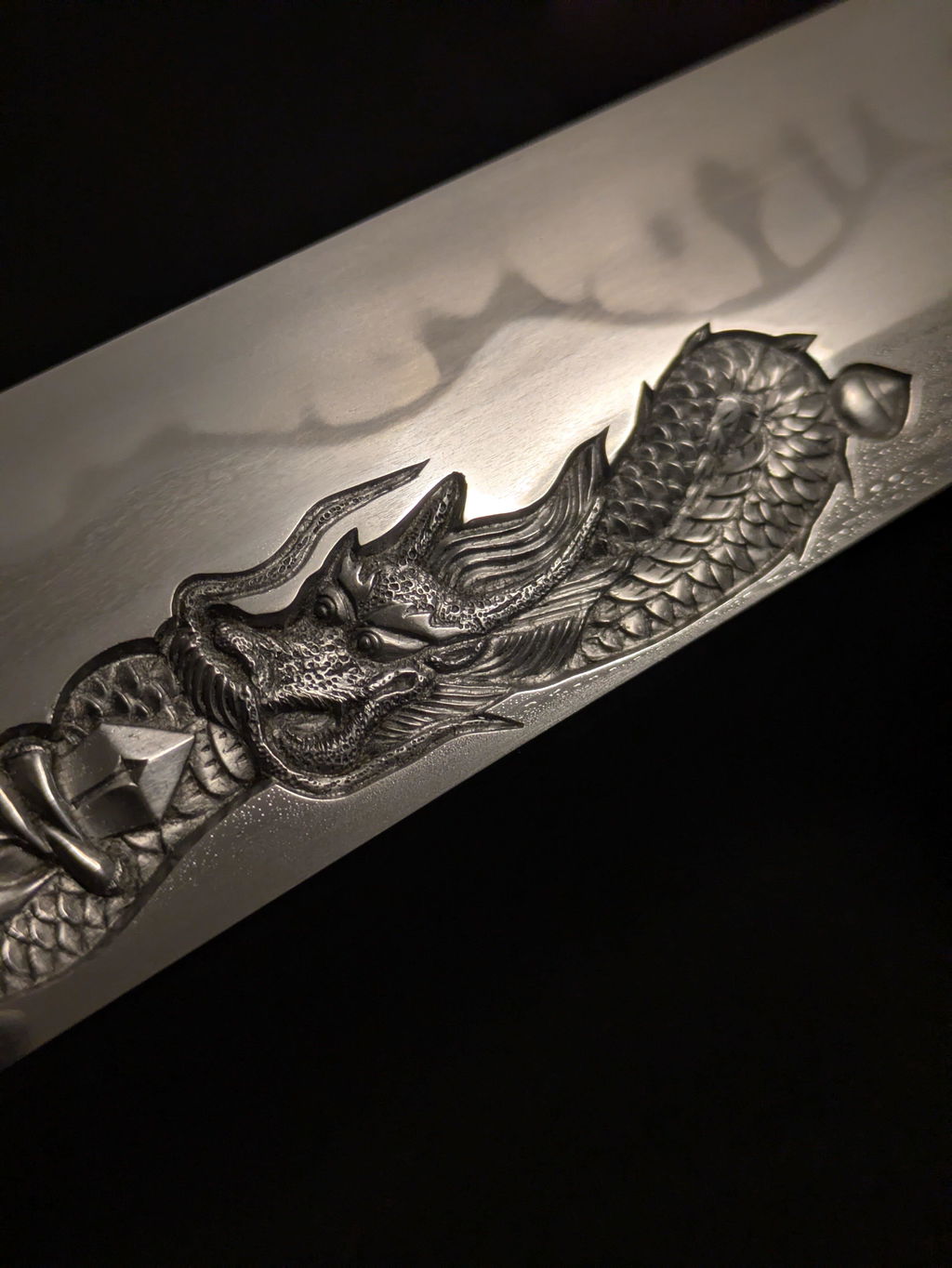
- Horimono: Carved grooves (hi) or decorative carvings can be requested, though not all smiths offer them.
- Polishing grade: Standard or high-grade polish affects the final appearance and cost.
- Nakago inscription: Some smiths will include a dedication or the owner's name on the tang.
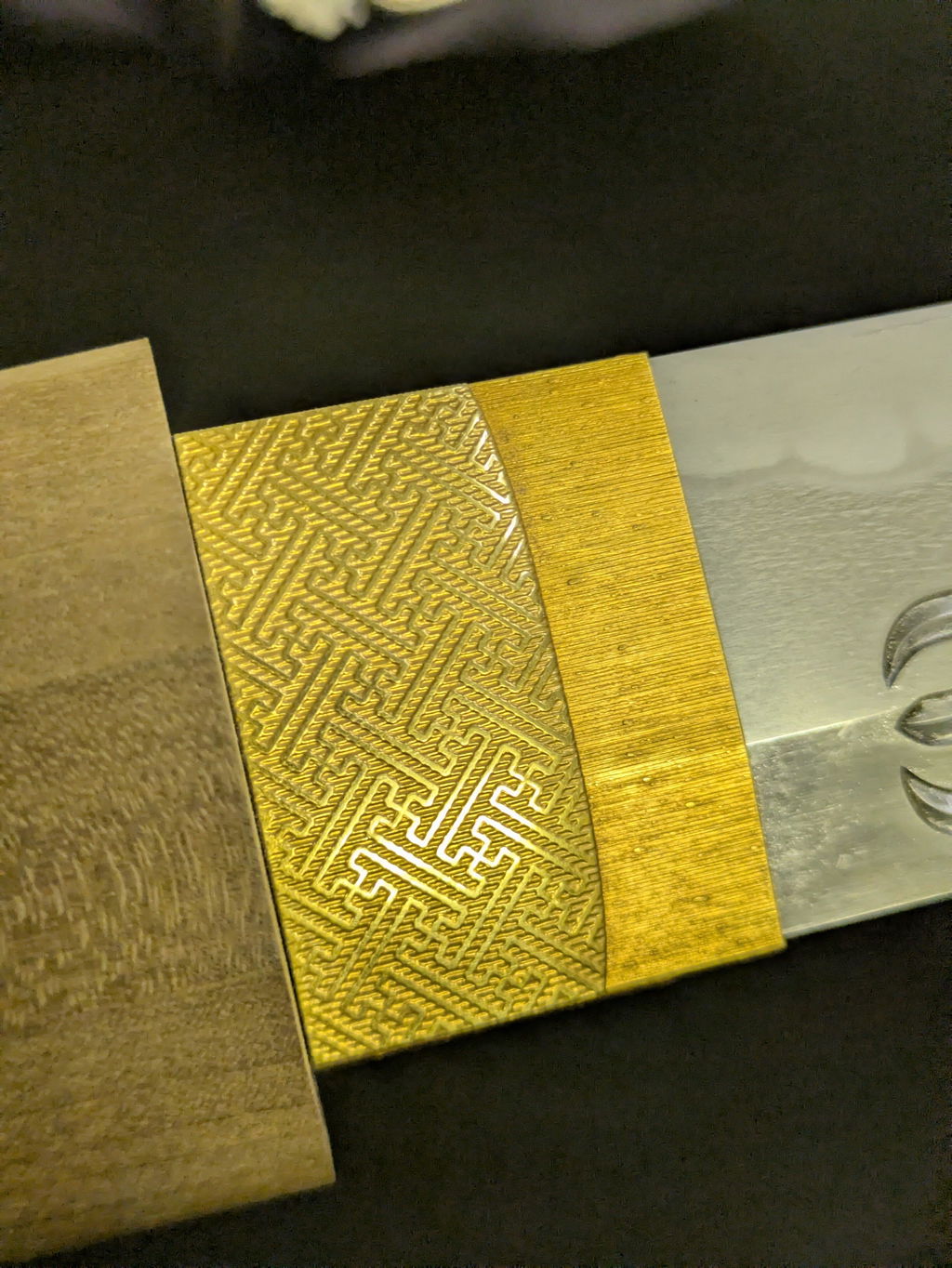
- Koshirae: Full decorative mounting, or shirasaya (plain storage mounting). Full koshirae can be extensively specified.
What is left to the smith: The specific character of the hamon, the jihada quality, and the overall feel of the blade — these are the expression of the smith's mastery and cannot be prescribed. A commission specifies the parameters; the smith's art fills them.
This question arrives frequently, and it deserves a careful answer — because the answer is more nuanced than a simple yes or no.
The Japanese sword tradition has a deep and honourable practice called utsushi (写し) — literally "copying" or "capturing the spirit of" a named historical blade. This is not reproduction in a commercial sense. It is one of the highest forms of study a swordsmith can undertake: choosing a masterwork as a reference point, studying its physical character in depth, and forging a blade that captures the same aesthetic qualities — the sugata, the jihada, the hamon character — while bearing the maker's own signature and being entirely his own work.
Utsushi has historical precedent at every level of the tradition. The theoretical foundation was laid by Suishinshi Masahide (水心子正秀, 1750–1825) — the father of the Shinshinto period — whose 1797 treatise Token Jitsuyo Ron argued explicitly for a return to the techniques and qualities of Kamakura and Nanbokucho masterworks. This fukko (復古, "restoration") programme was not merely theoretical: Masahide and his students — most notably his finest direct disciple Taikei Naotane — spent their careers attempting to recreate the jihada, hamon, and steel character of the great Koto-period blades. Their entire programme was the pursuit of utsushi at the highest level, and Naotane's Bizen-den work in particular is considered by many scholars to have equalled or surpassed the Kamakura originals he studied. In the modern era, this tradition continues with equal ambition. Mukansa swordsmith Ono Yoshimitsu is perhaps the most celebrated contemporary example: his utsushi of the National Treasure Sanchomo (山鳥毛) — a Kamakura-period Fukuoka Ichimonji tachi — is so accomplished that his distinctive choji hamon, known as the Ono-choji, is said by some scholars to approach or even surpass the original. Ono Yoshimitsu's utsushi represents the tradition at its contemporary peak.
Mukansa swordsmith Kubo Yoshihiro — whose foreword appears in Tozando's publication KATANA: A Handbook of Japanese Swords — has taken on the challenge of the National Treasure Nagamitsu, with the entire process documented on film. Among younger smiths, the Akamatsu Taro school in Higo Kumamoto — whose blades Tozando carries — is particularly celebrated for Kiyomaro-utsushi (写し of Minamoto Kiyomaro), producing blades that capture the bold sugata, wide mihaba, and vivid nie-deki of the Bakumatsu master.
What utsushi is — and what it is not: An utsushi bears the making smith's own signature and is understood as his work, not the original smith's. It is not presented as a copy of a specific named blade but as the maker's interpretation of that blade's qualities. The jihada and hamon will reflect both the historical reference and the living smith's own mastery. What you receive is a new blade by a specific living swordsmith, working in deep dialogue with a historical model — an object with its own independent identity and value, not a reproduction.
What Tozando can facilitate: If you are drawn to a specific historical sword — its school, period, sugata, or hamon character — Tozando can advise on which living smiths work in that tradition and have experience with utsushi commissions. Whether the reference is a Kamakura Bizen-den tachi, a Soshu-den blade of the Nanbokucho period, or a specific named masterwork, there is likely a smith working today whose speciality aligns with your interest. Contact Tozando's specialists to discuss the possibilities.
If what you are looking for is a decorative non-functional replica for display purposes only — a mass-produced copy rather than a genuinely forged nihonto — this is not something Tozando facilitates. Such objects exist in the market, but they are not nihonto, and they are not what Tozando's commission programme produces.
Yes — Tozando ships commissioned blades to collectors in more than seventy countries. Every newly forged blade receives NBSK Shinsakuto Shomeisho certification and Japanese government registration before export. These documents are the blade's legal identity in Japan and are required for export.
The export process for newly forged swords differs slightly from that for antique nihonto. Tozando handles all export documentation on your behalf. What varies by destination country is the import side — the regulations, permits, or notifications required to bring a sword into your country. Tozando advises on the import requirements for your specific country before the commission is placed, so there are no surprises at the delivery stage.
Japanese swords are legal to own in most countries, but the regulations governing their import, registration, and carrying vary significantly. Some countries require registration or notification of import; others have restrictions on blade length; a small number have specific prohibitions that affect certain sword types. Tozando advises all commission clients on the applicable regulations for their country before the commission begins. Clients are responsible for compliance with their own country's laws, but Tozando provides the relevant information to make that straightforward. If you are uncertain about the rules in your country, contact us before enquiring about a commission.
Every commissioned blade facilitated by Tozando comes with:
- NBSK Shinsakuto Shomeisho: The authentication certificate issued by the Society for the Promotion of Japanese Sword Culture, confirming the blade is a genuine newly forged nihonto and identifying the smith who made it.
- Token Toroku-sho: The Japanese government registration certificate — the blade's legal identity document in Japan, required for export.
- Commission documentation: The specifications agreed, correspondence with the smith, and any relevant records of the commission — documents that form the beginning of the blade's provenance record.
The NBSK certification is the equivalent for newly forged swords of the NBTHK's Hozon or Tokubetsu Hozon certificates for antique blades — it is the authentication standard that collectors and future owners will rely on.
The NBSK Shinsakuto Shomeisho, issued since 2021, confirms that the blade is a genuine newly forged nihonto made by a licensed Japanese swordsmith using traditional methods. For international collectors, it provides the same function as any official authentication: it confirms what the blade is, who made it, and that it is not a mass-produced imitation.
In the long term, the NBSK certificate is also the starting point of the blade's documentation history — the first formal record of its existence, which subsequent owners will inherit alongside the blade itself. For a blade that may still be in a family's possession a century from now, this documentation matters.
with Tozando's specialists beside you
Whether you have a specific smith and specification in mind, or you are at the beginning of that conversation, Tozando's team will guide you through every step — from initial budget discussion to delivery at your door. Contact us to begin.

Leave a comment: