Antique Japanese Katana Sword - Mumei, Shinshinto Era - NBTHK Hozon Token(73.2 cm)
¥1,100,000 ¥1,150,000

This blade has been acquired. Discover other exceptional swords currently available in our collection.


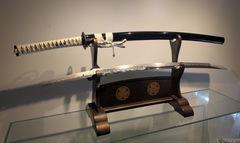
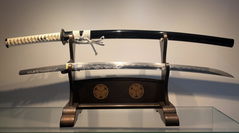
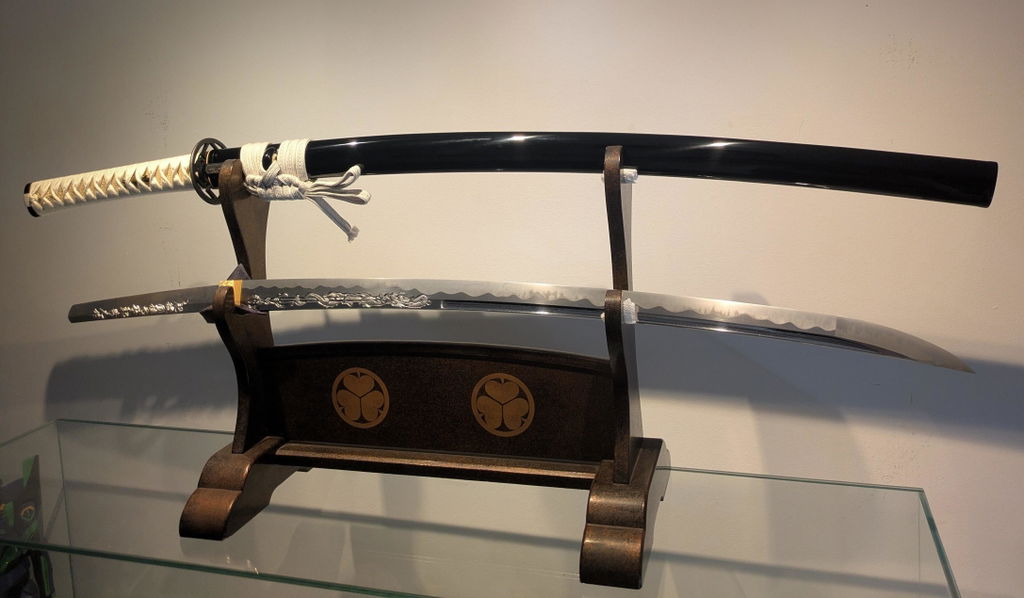
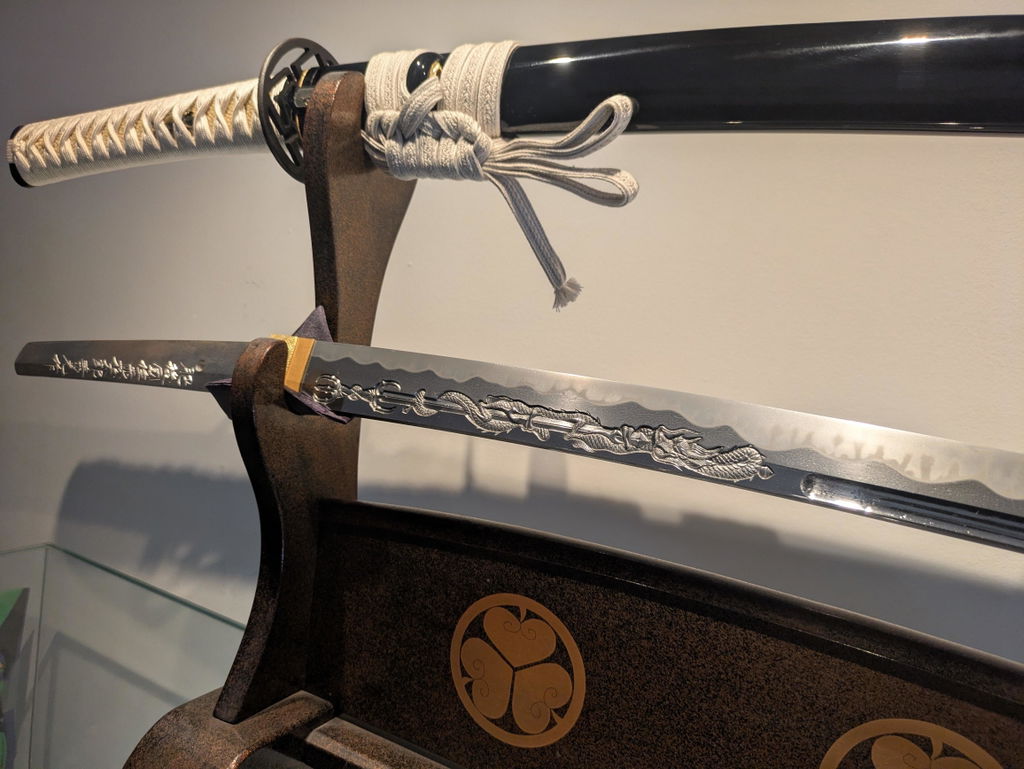
A most attractive blade judged to be the work of Kaneuji, a master representative of Mino province in the late Muromachi period. This is a hira-zukuri wakizashi thought to have been forged around the Eiroku era (1558–1570), amid the upheavals of the Warring States. Accompanied by a well-preserved period mounting, it is a fine piece that unites historical value with the commanding air of a practical fighting blade.
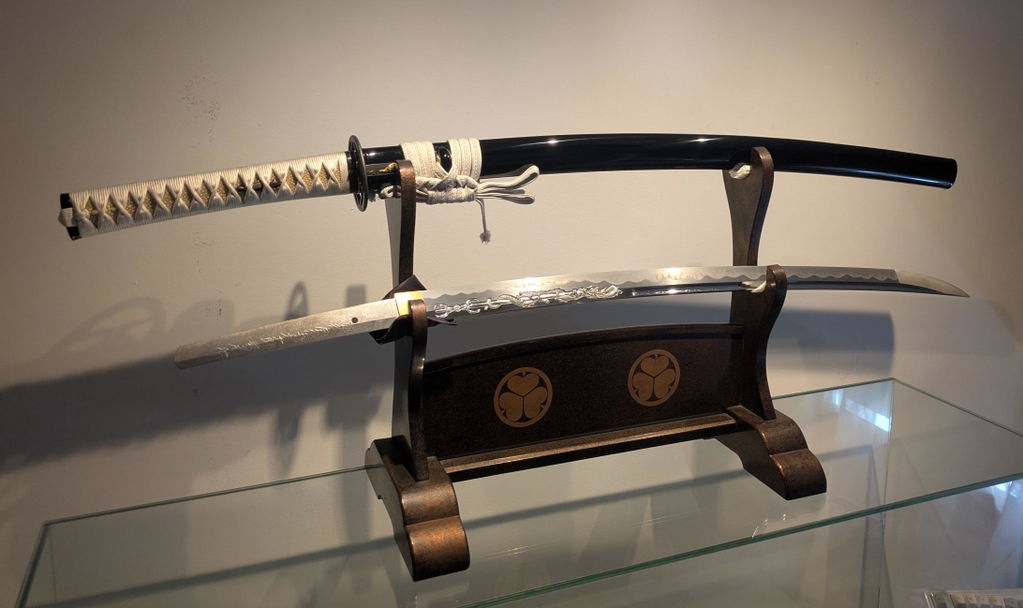
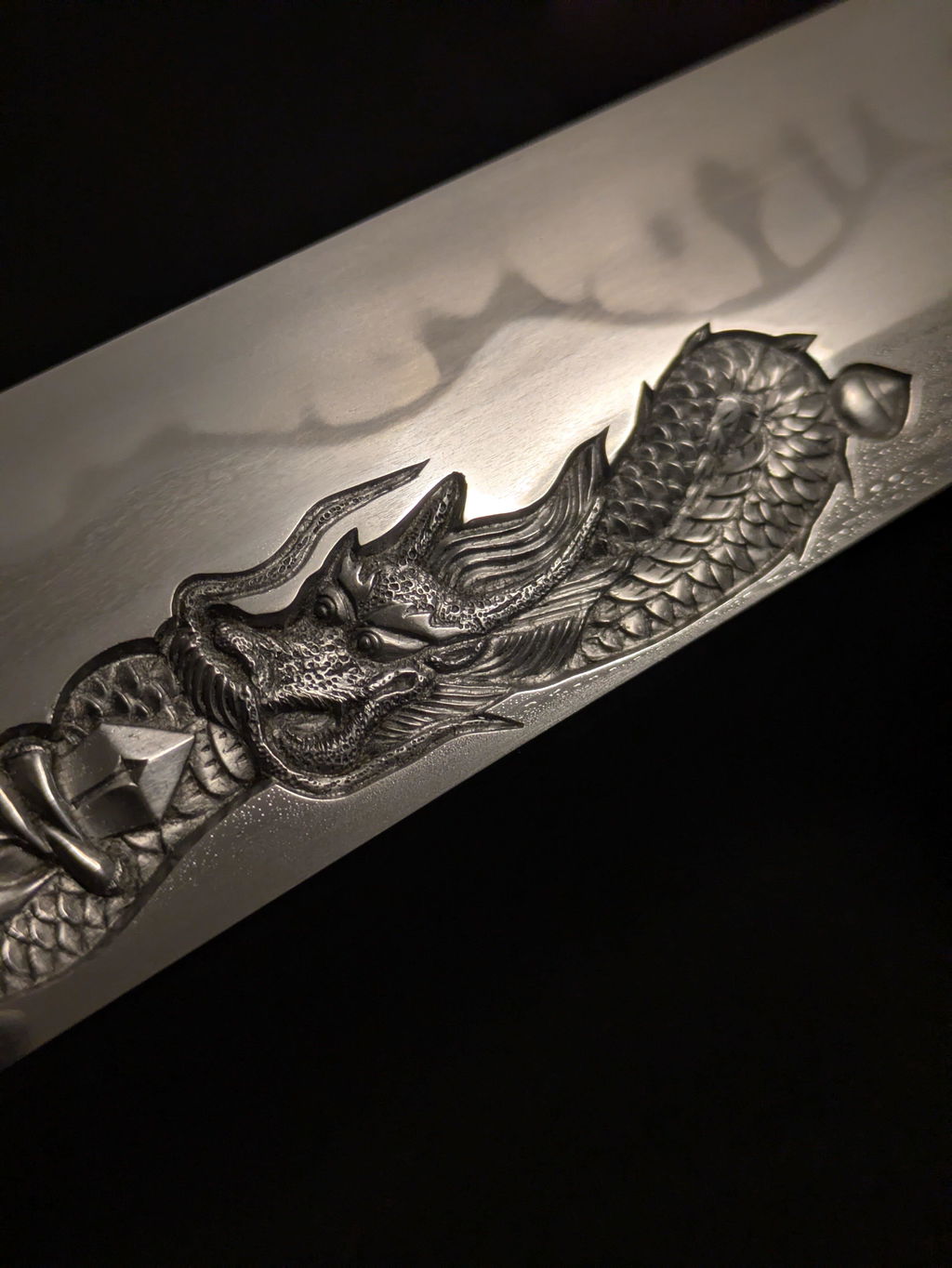
Although a very few faint scratches from an old polish can be seen, the state of polish is exceptionally good and the blade remains sound — essentially flawless. The jigane is an itame mixed with mokume, densely forged, across which the bright, white nie-laden skin peculiar to Mino swords rises vividly. The hamon is based on a gunome-chōji — the true hallmark of the Mino tradition — with fine ko-nie along the temper edge making it bright and clear, showing Kaneuji's outstanding skill to the full. The tang (nakago) is powerfully cut with the signature Kaneuji, telling of its assured history.
What might be called an "ō-tanto" (large tanto), this piece has a mihaba and kasane beyond those of an ordinary tanto — a commanding hira-zukuri wakizashi. The ridgeless hira-zukuri form pursues sharpness and practicality to the limit, and conveys the refined mass of a chūmon-uchi — a blade commissioned from a master smith for personal defense or a special purpose by a warlord bent on surviving the harsh Sengoku age. The solid heft and taut tension transmitted the instant it is taken in hand are, in a word, magnificent.
Kaneuji was a smith of a distinguished hereditary house of Mino province (present-day Gifu), carrying on the line of Shizu Saburō Kaneuji down through the generations. Late-Muromachi Mino swords, with their outstanding sharpness and high practicality, earned the absolute trust of the warlords of the Sengoku age. In an era that also produced much mass work, a carefully made chūmon-uchi "ō-tanto" such as this is a special piece, and is very highly regarded in the appreciation and collecting of swords today.
The blade is accompanied by a period mounting that further sets off its dignity. The menuki shine with gold inlay, and everything down to the fuchi-kashira and tsuba is unified as a single matched set (issaku) with motifs of virtuous figures from legend — Daoist immortals / lofty sages (sennin / kōshi) and Hotei (Budai). From these emblems of long life and of inviting good fortune one senses the exceptional care and connoisseurship of the former owner, who in a brutal age of war wished "to keep the dignity of a samurai and to pray for safety and prosperity." The saya is finished in a subdued chestnut stone-grain (cha ishime-ji) lacquer, combining practical sturdiness with refined elegance.
A very finely made hira-zukuri wakizashi by Kaneuji that carries the passion and spirit of the Warring States into the present. With its superb ground, bright and clear temper, and a flavorful period koshirae that conceals the stories of old legends, it is a blade through which one can feel the soul of the warlord and the breath of history.
¥1,100,000 ¥1,150,000

¥200,000 ¥240,000

¥400,000 ¥430,000

¥390,000 ¥410,000

¥270,000 ¥290,000

¥300,000 ¥330,000


Every blade reflects generations of knowledge, discipline, and precision passed down through traditional Japanese swordmaking. From the forging of steel to the final finishing touches, each piece is shaped with patience, mastery, and deep respect for heritage.

From carefully selected materials to the refined finishing of every surface, each sword is crafted and presented with uncompromising attention to detail. Our commitment to authenticity ensures every piece reflects true tradition, lasting quality, and enduring cultural value.

Designed with balance, simplicity, and purpose, our blades embody the harmony between refined form and skilled craftsmanship. Each sword represents a thoughtful union of strength, elegance, and the timeless discipline of Japanese artisans.